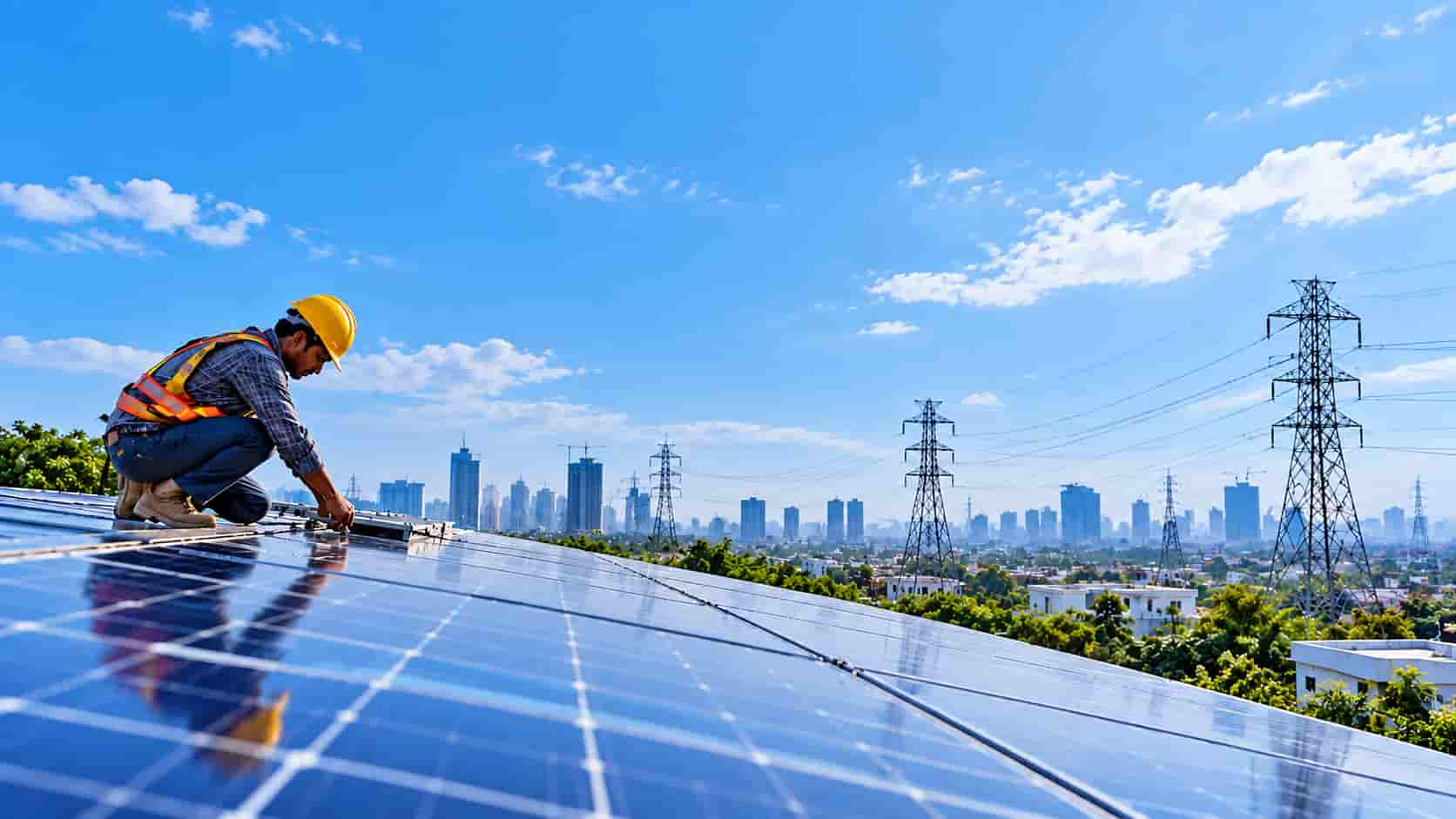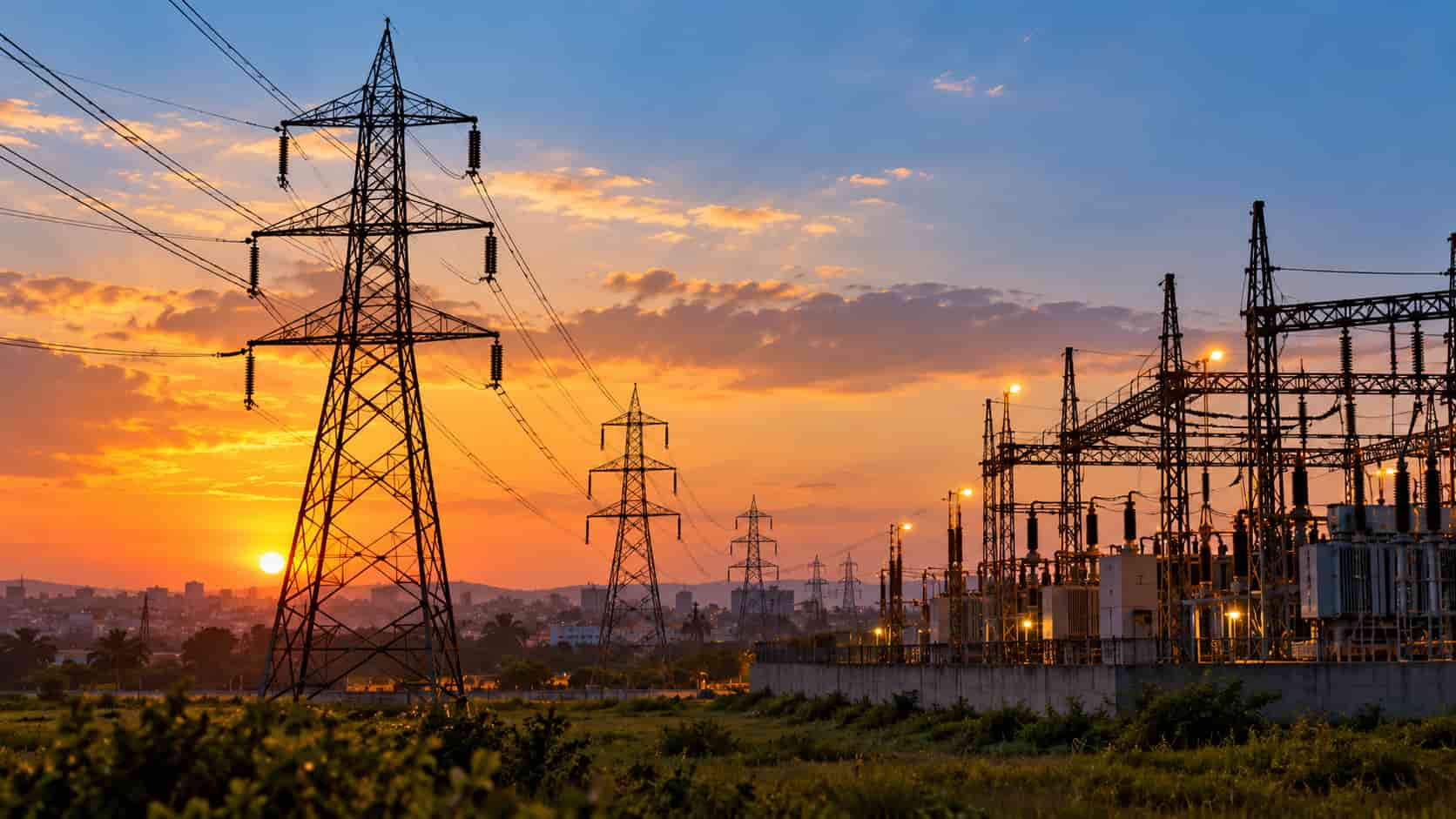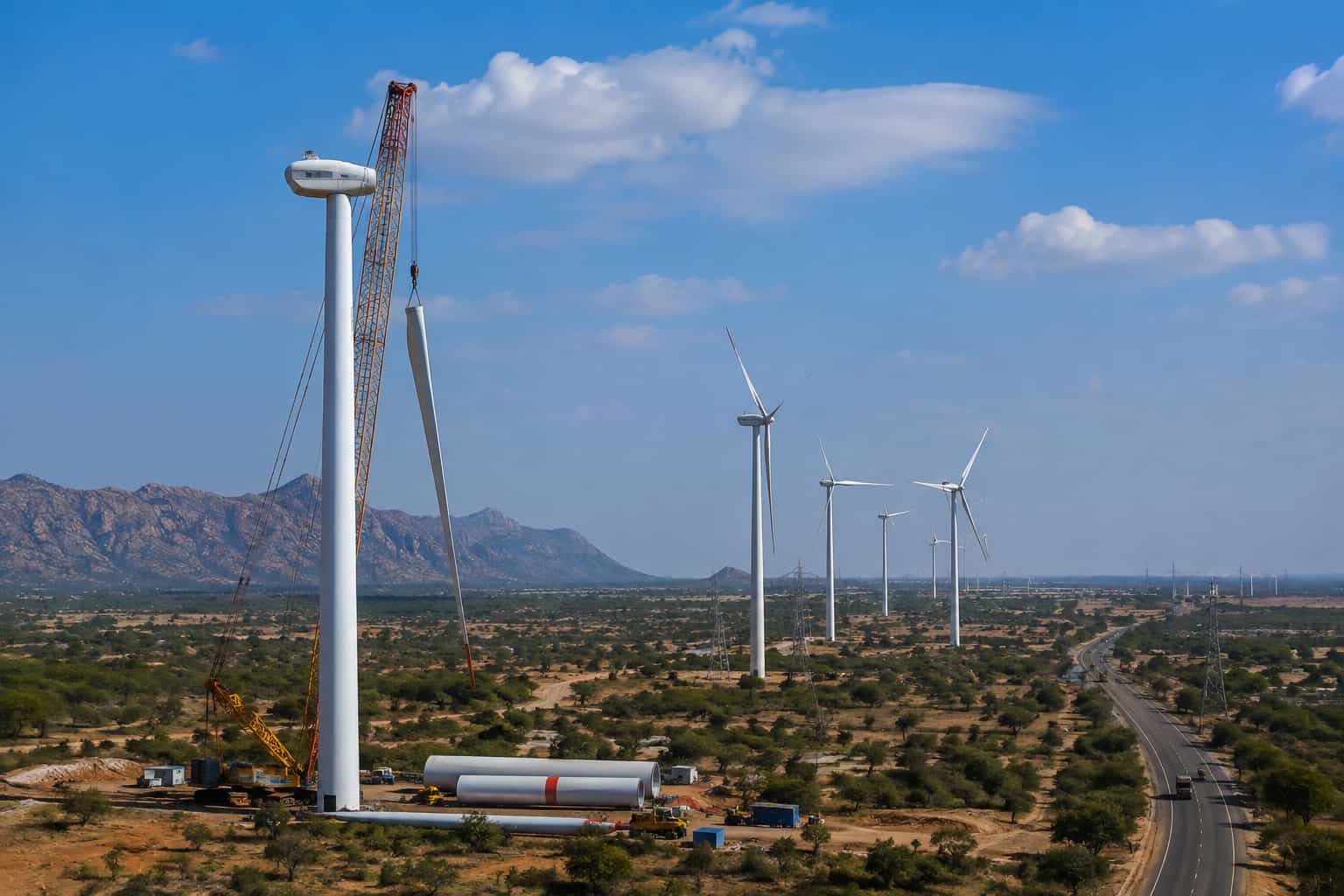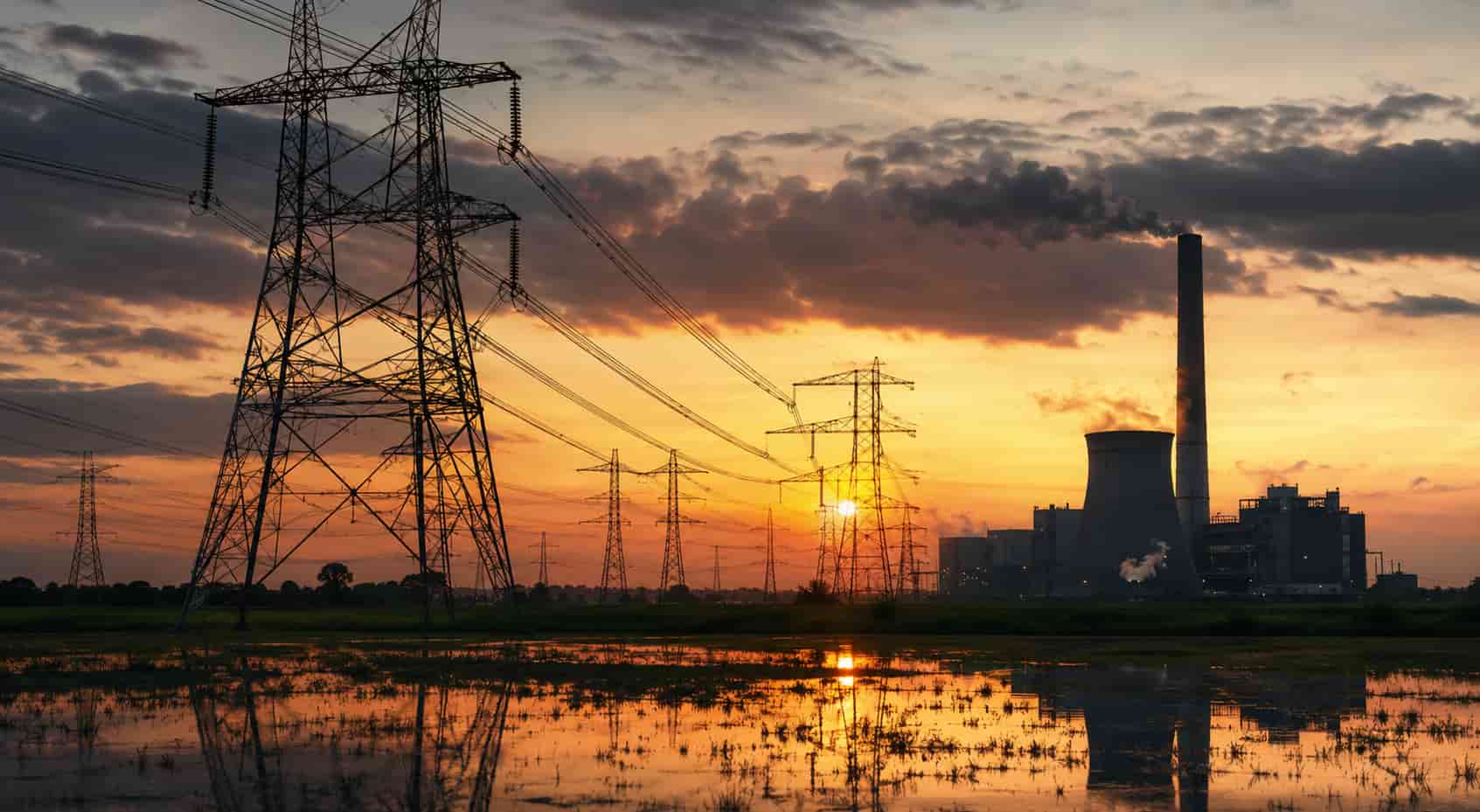


India’s energy transition is often described in terms of ambition—500 GW of non-fossil capacity by 2030, rapid solar expansion, green hydrogen missions, and a growing electric mobility ecosystem. But beneath this narrative of scale and speed lies a more complex reality: the transition is increasingly becoming a finance story.
Recent developments across the sector show a clear pattern. Investments are rising, policy intent is strong, and global capital is interested. Yet, structural bottlenecks in financing—ranging from cost of capital to delayed project closures—are emerging as decisive factors that could shape the trajectory of India’s clean energy push.
A surge in capital—but is it enough?
India’s renewable energy sector is entering a major investment cycle. Estimates suggest the sector could attract ₹6–7 lakh crore in investments (USD 65-75 billion) over the next few years, driven by a strong pipeline of solar, wind, and hybrid projects. Large transactions, rising private equity participation, and increased activity from sovereign and infrastructure funds indicate that capital is not shying away from the sector.
Public sector enterprises and Indian developers are also tapping global financing channels. Loans from multilateral institutions, green bonds, and overseas borrowings are becoming more common. The presence of global capital signals confidence in India’s long-term energy transition trajectory.
However, this inflow needs to be viewed in context. India’s clean energy ambitions require far larger and sustained financial commitments over decades. The challenge is not just attracting episodic investments, but ensuring a steady, predictable flow of capital at scale.
The real bottleneck: Cost and structure of capital
The more pressing issue is not the availability of capital, but its cost and structure.
Renewable energy projects are upfront capital-intensive, with returns spread over long durations. This makes them highly sensitive to interest rates. In India, the cost of capital remains significantly higher than in developed markets, reducing the competitiveness of clean energy projects.
At the same time, India’s financial ecosystem is still dominated by bank lending. Long-term institutional investors such as pension funds and insurance companies—who typically fund infrastructure in advanced economies—play a relatively limited role. The domestic corporate bond market, which could provide long-tenure financing, remains underdeveloped.
This creates a mismatch. Projects that require 20–25 year capital are often financed with shorter-tenure instruments, increasing refinancing risks and overall costs.
Execution delays and revenue uncertainty
Even when financing is available, execution challenges complicate matters.
One of the most cited issues by developers is the delay in signing power purchase agreements (PPAs). Renewable projects often face long timelines between bidding and finalisation of contracts. In some cases, projects remain stranded for months due to tariff renegotiations or changes in state-level policies.
Transmission infrastructure is another bottleneck. Renewable energy capacity addition has outpaced grid expansion in certain regions, leading to curtailment risks. For financiers, such uncertainties translate into higher perceived risk, and therefore higher cost of capital.
Distribution companies (discoms) continue to be a weak link in the chain. Payment delays and financial stress among discoms add another layer of risk, particularly for smaller developers.
Global headwinds and macro risks
The financing challenge is also being shaped by global factors.
Rising global interest rates over the past two years have increased borrowing costs across markets. Currency fluctuations add to the uncertainty for projects funded through external commercial borrowings. For a country like India, which still imports a large portion of its energy requirements, oil price volatility also feeds into macroeconomic stability, influencing inflation and fiscal balances.
Geopolitical developments—from supply chain disruptions to energy market shocks—have reinforced a key lesson: energy transitions do not happen in isolation. They are deeply intertwined with global finance and trade dynamics.
Where the money is flowing
Despite these challenges, there are signs of evolution in the financing landscape.
Private equity and infrastructure funds are increasingly investing in operational renewable assets rather than greenfield projects. This secondary market activity is providing liquidity to developers and enabling capital recycling.
Green bonds and sustainability-linked financing instruments are gaining traction, although their scale remains modest compared to overall requirements. Blended finance models—combining public and private capital—are also being explored to de-risk investments.
At the policy level, initiatives such as the Production Linked Incentive (PLI) scheme for solar manufacturing and the National Green Hydrogen Mission are designed to attract both domestic and foreign investment into emerging segments.
The missing middle: Financing the grid and storage
While generation projects receive most attention, the real financing gap may lie elsewhere—in transmission, distribution and energy storage.
As renewable penetration increases, the need for grid modernisation becomes critical. Investments in transmission corridors, smart grids and balancing infrastructure are essential to integrate intermittent sources like solar and wind.
Energy storage—both battery-based and pumped hydro—is another area that requires large-scale capital. Without storage, the value of renewable energy is constrained by variability.
These segments often lack clear revenue models and policy certainty, making them less attractive to investors despite their strategic importance.
The way forward
India’s clean energy transition is unlikely to be derailed by lack of ambition or technology. The country has demonstrated both policy intent and execution capability in scaling renewables over the past decade.
The next phase, however, will depend on financial innovation and institutional strengthening.
Deepening bond markets, enabling greater participation from long-term investors and improving creditworthiness of discoms will be critical. Faster contract enforcement, streamlined approvals and stable policy signals can reduce risk perception and lower financing costs.
Equally important will be integrating climate finance into mainstream financial systems. Access to concessional international capital, risk guarantees, and blended finance structures can help bridge the gap.
A transition defined by finance
India’s energy transition has reached an inflection point. The question is no longer whether the country will move towards clean energy, but how smoothly and how quickly it can do so.
In that sense, the transition is no longer just about megawatts or technologies. It is about balance sheets, risk perceptions and capital flows.
If the financial architecture keeps pace with ambition, India’s clean energy story could become one of the most significant economic transformations of this decade. If not, the gap between targets and reality may begin to widen.
The answer, increasingly, lies not just in policy announcements or project pipelines—but in the cost of capital.