
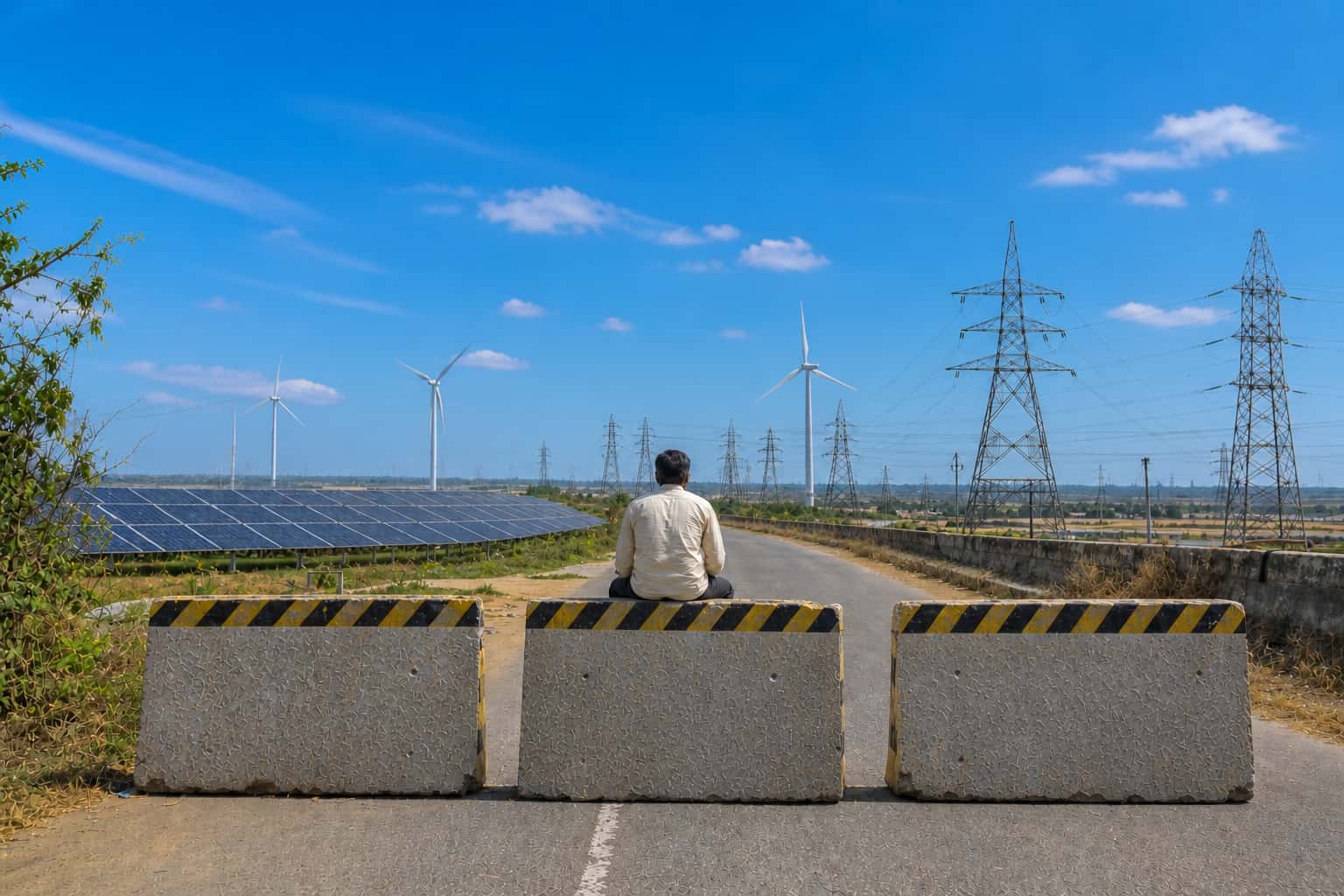

India’s renewable energy transition is entering a less visible but more complex phase—one defined not by shortages, but by emerging pockets of surplus that the system is struggling to absorb. For the first time, parts of India’s power network are generating more clean electricity than they can efficiently transmit or utilise.
This shift marks a structural turning point. The central challenge is no longer simply building renewable capacity, but coordinating how that energy flows across states, distribution networks, and evolving market systems.
Recent developments across Tamil Nadu, Uttar Pradesh, and the national grid illustrate this emerging misalignment. Tamil Nadu has reported record levels of solar power evacuation, crossing 2,186 million units in March, suggesting that in certain regions, investments in transmission and planning are beginning to align with generation growth.
The state’s performance reflects what a relatively synchronised system can achieve when grid readiness keeps pace with renewable expansion.
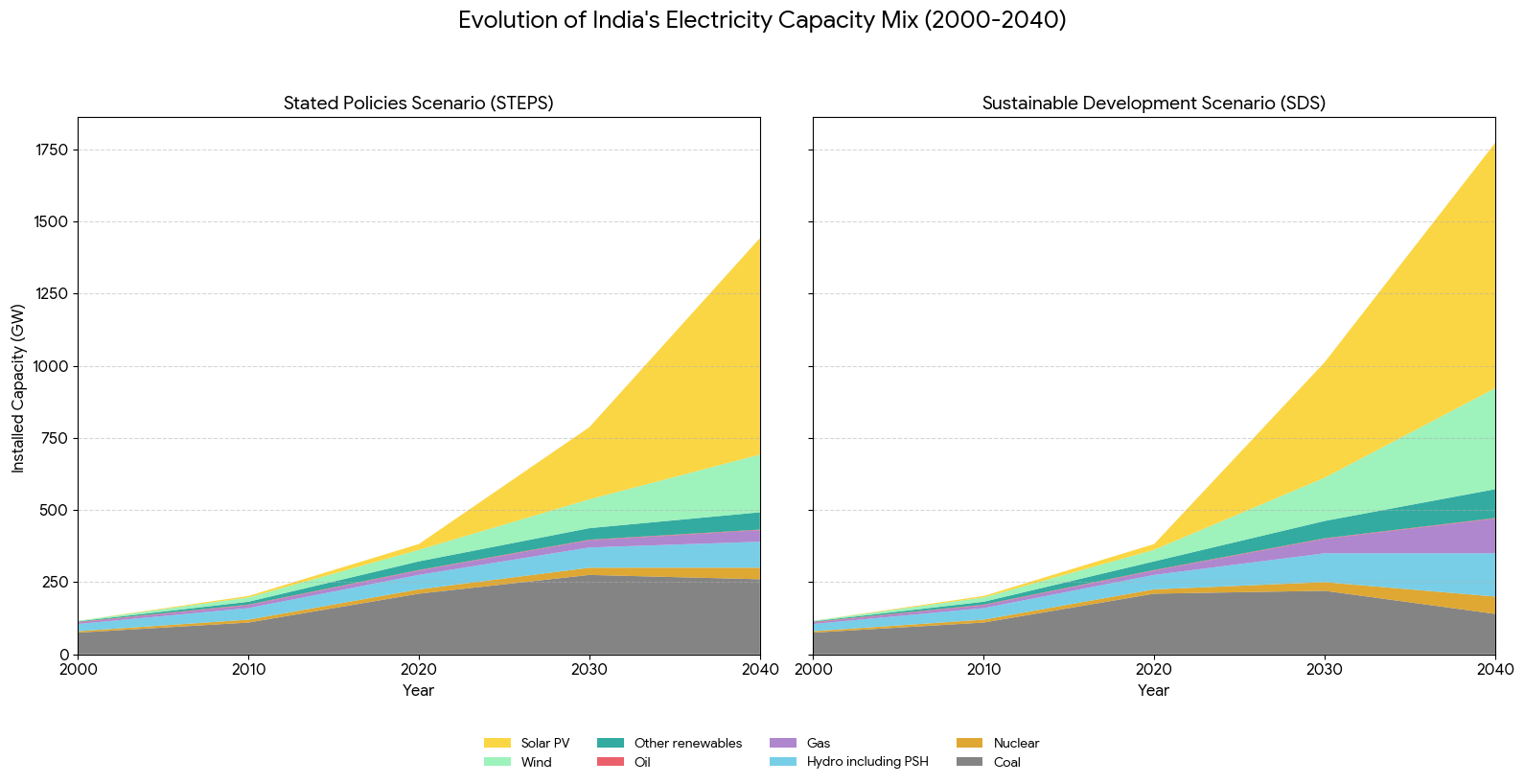
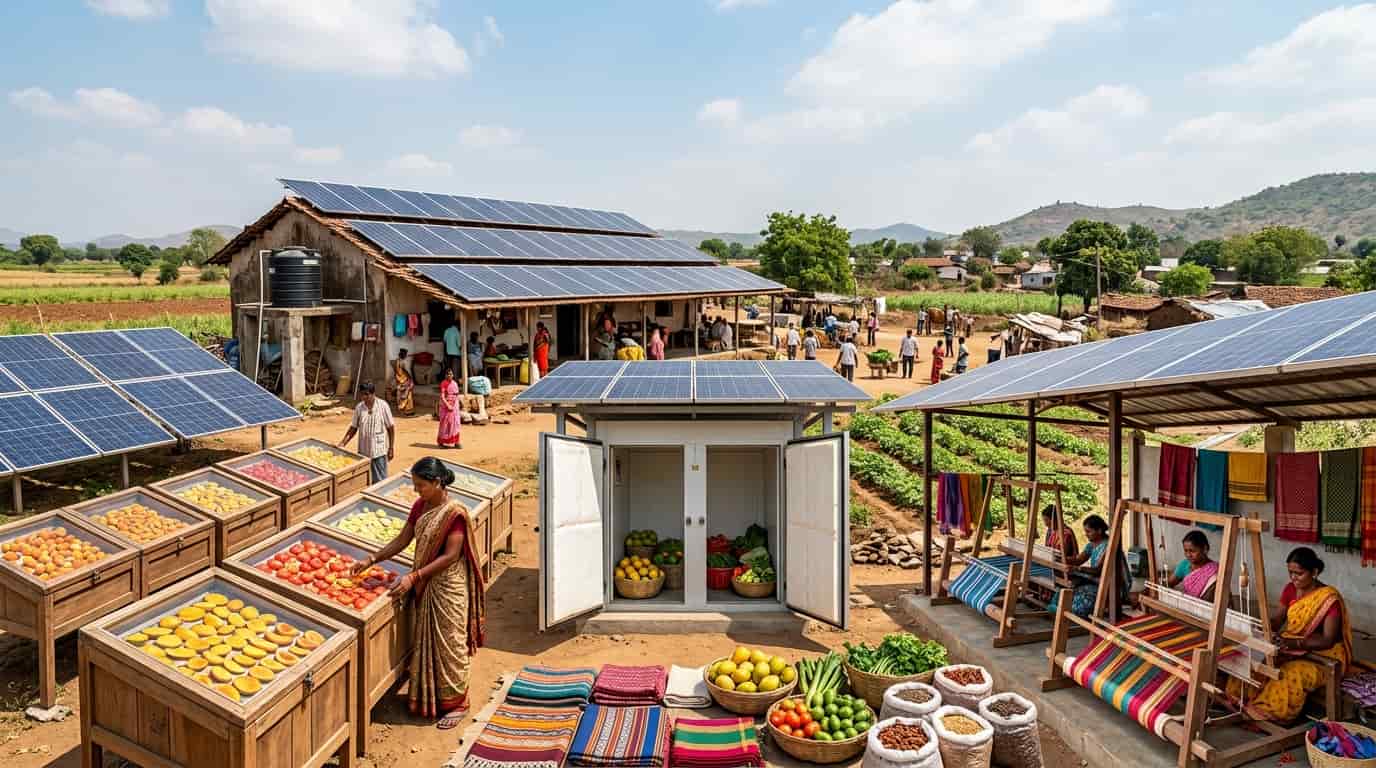
In contrast, Uttar Pradesh’s rapid expansion in rooftop solar—now exceeding 500,000 installations—points to a very different kind of transformation. Here, energy generation is increasingly decentralised, taking place at the point of consumption rather than flowing through traditional grid structures.
This shift is significant not just technologically, but economically, as it alters how electricity is produced, consumed, and accounted for within the system.
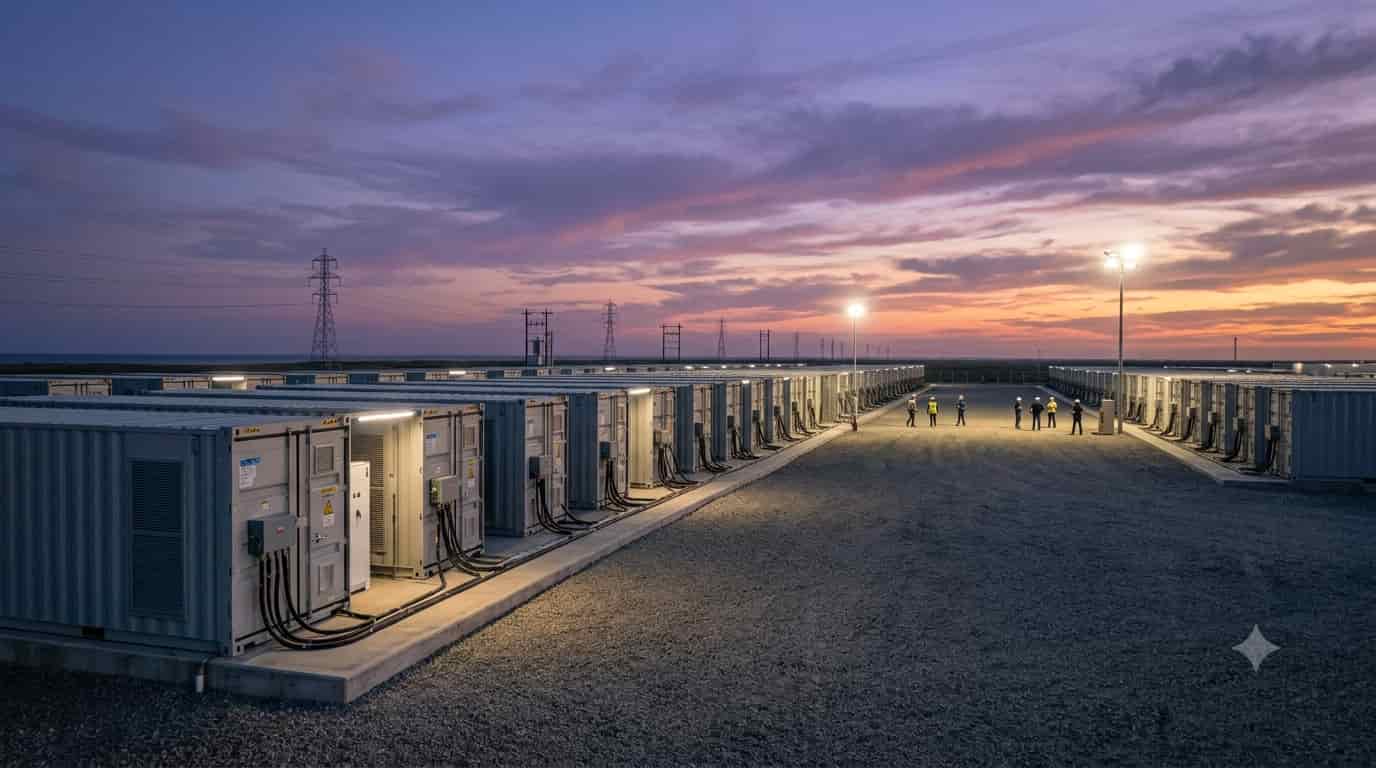
At the national level, however, the system is showing signs of strain. India curtailed nearly 31 GW of renewable energy capacity in the fourth quarter of FY26, largely due to transmission constraints and grid inflexibility.
This is not a marginal inefficiency—it represents a structural mismatch between where electricity is generated and how it is transported and consumed. “We are beginning to see a shift where renewable growth is no longer constrained by capacity, but by how effectively the grid can absorb it,” said a senior official at a leading renewable energy developer, requesting anonymity.
A system moving out of sync
Taken together, these developments point to a deeper fragmentation within India’s energy system. Growth is no longer uniform; instead, it is occurring unevenly across regions and scales, creating a system where local successes coexist with national inefficiencies.
This is revealing a fundamental tension between a historically centralised grid design and an increasingly decentralised and state-driven energy landscape.
India’s power sector has long operated within a federal framework where states play a dominant role in distribution and consumption, while generation and transmission have been more centrally coordinated. Renewable energy is now exposing the limits of this arrangement. States that have invested early in grid infrastructure are better positioned to absorb renewable power, while others are struggling to keep pace.
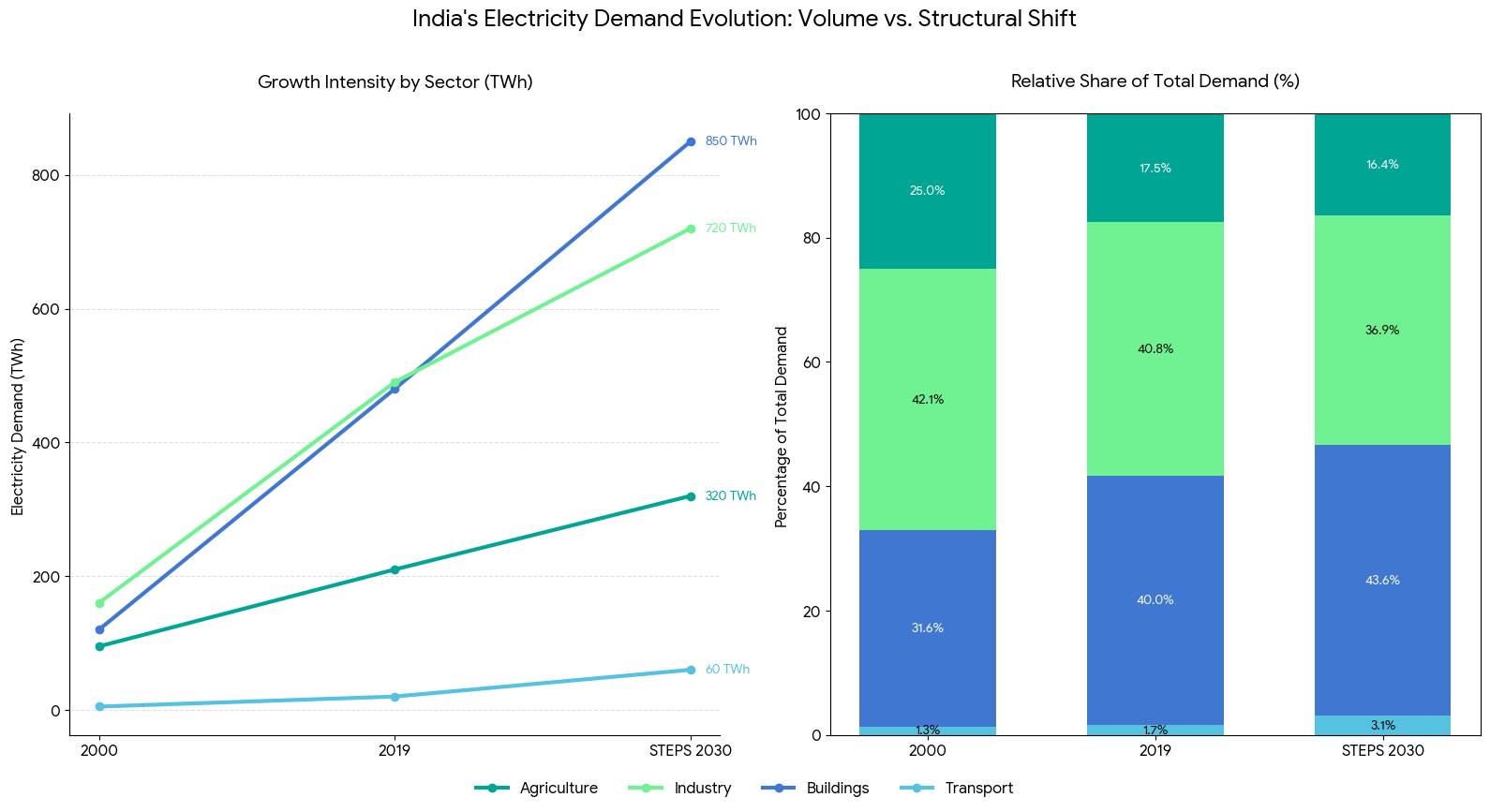
This creates a paradox where electricity is available but cannot always be delivered where it is needed most. Similar concerns around transmission planning and grid readiness have been highlighted in national assessments of power infrastructure expansion.
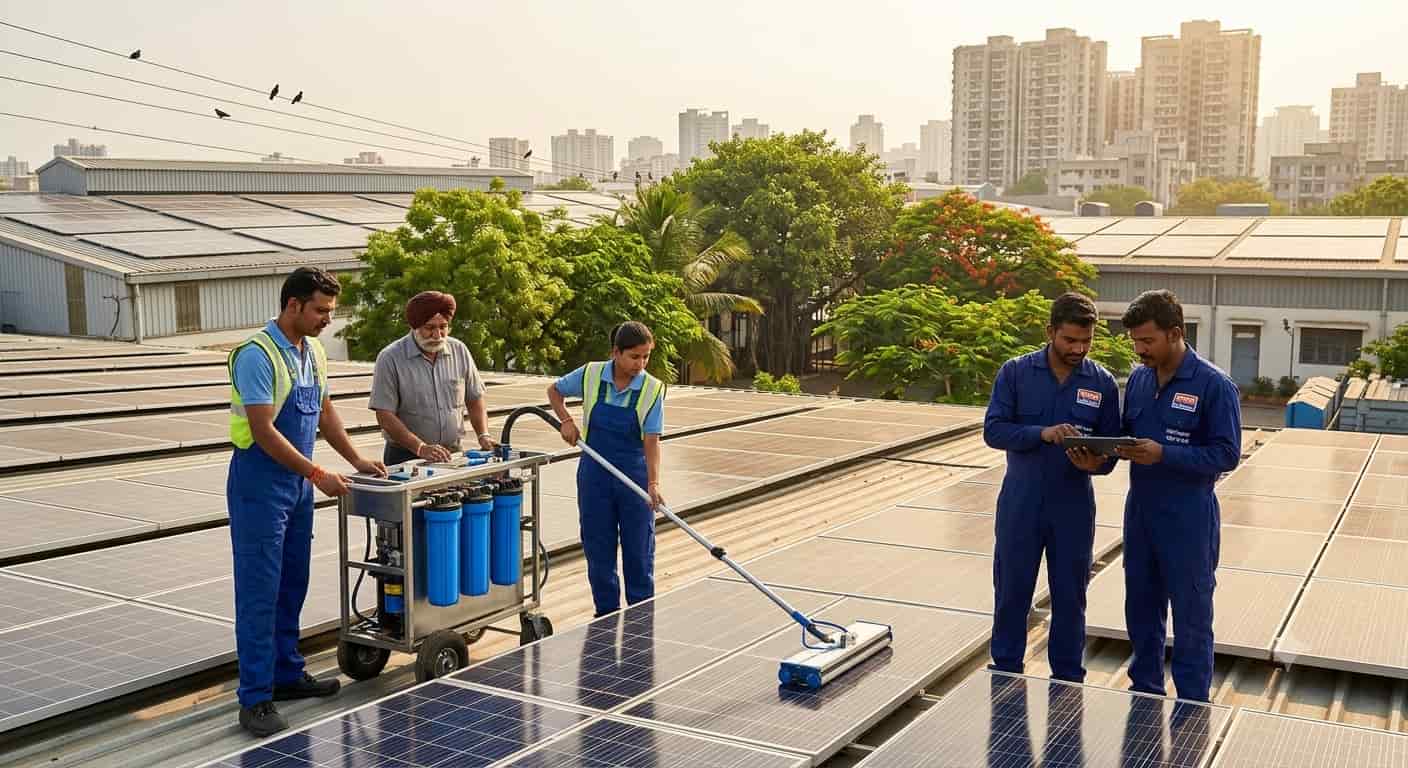
The rise of rooftop solar introduces another layer of complexity. Unlike large-scale solar parks, rooftop installations feed directly into local distribution networks, often without corresponding upgrades in infrastructure.
India’s distribution systems were originally designed for one-way power flows—from central generators to consumers. As decentralised generation grows, these networks are being asked to handle bidirectional flows, creating challenges in voltage regulation, load balancing, and system stability. Studies have pointed to these emerging technical and financial stresses as rooftop penetration increases.
This decentralisation also carries significant financial implications. Distribution companies, or DISCOMs, rely heavily on cross-subsidisation, where industrial and commercial consumers pay higher tariffs to support lower residential rates. As these high-paying consumers adopt rooftop solar, DISCOM revenues are likely to come under pressure, potentially affecting their ability to maintain and upgrade infrastructure.
Policy discussions have increasingly acknowledged this tension between promoting distributed energy and preserving the financial viability of utilities. “Rooftop solar is not just changing how electricity is generated—it is fundamentally altering the revenue architecture of distribution companies,” said an executive at Tata Power’s solar division.
From capacity expansion to coordination crisis
Curtailment, in this context, becomes more than a technical issue—it is a signal of systemic inefficiency. When renewable power is generated but not used, it reflects deeper coordination failures between generation, transmission, and demand. For developers, it reduces revenue certainty.
For the system, it represents lost opportunities to displace fossil fuel generation. “Curtailment is no longer an exception—it is becoming a signal that different parts of the system are evolving at different speeds,” said an analyst at a global energy consultancy tracking emerging markets.
Analyses of curtailment trends in India suggest that while policy-related curtailment has reduced, structural constraints are becoming increasingly significant.
Globally, energy systems undergoing rapid renewable expansion are facing similar challenges. In Europe, high renewable penetration has led to periods of negative electricity prices, while in the United States, grid congestion has delayed project development and increased costs. The International Energy Agency has highlighted grid infrastructure and flexibility as critical bottlenecks in achieving clean energy transitions worldwide.
However, India’s situation is distinct in its scale and complexity. The combination of rapid capacity addition, uneven infrastructure development, and a financially constrained distribution sector makes coordination particularly challenging.
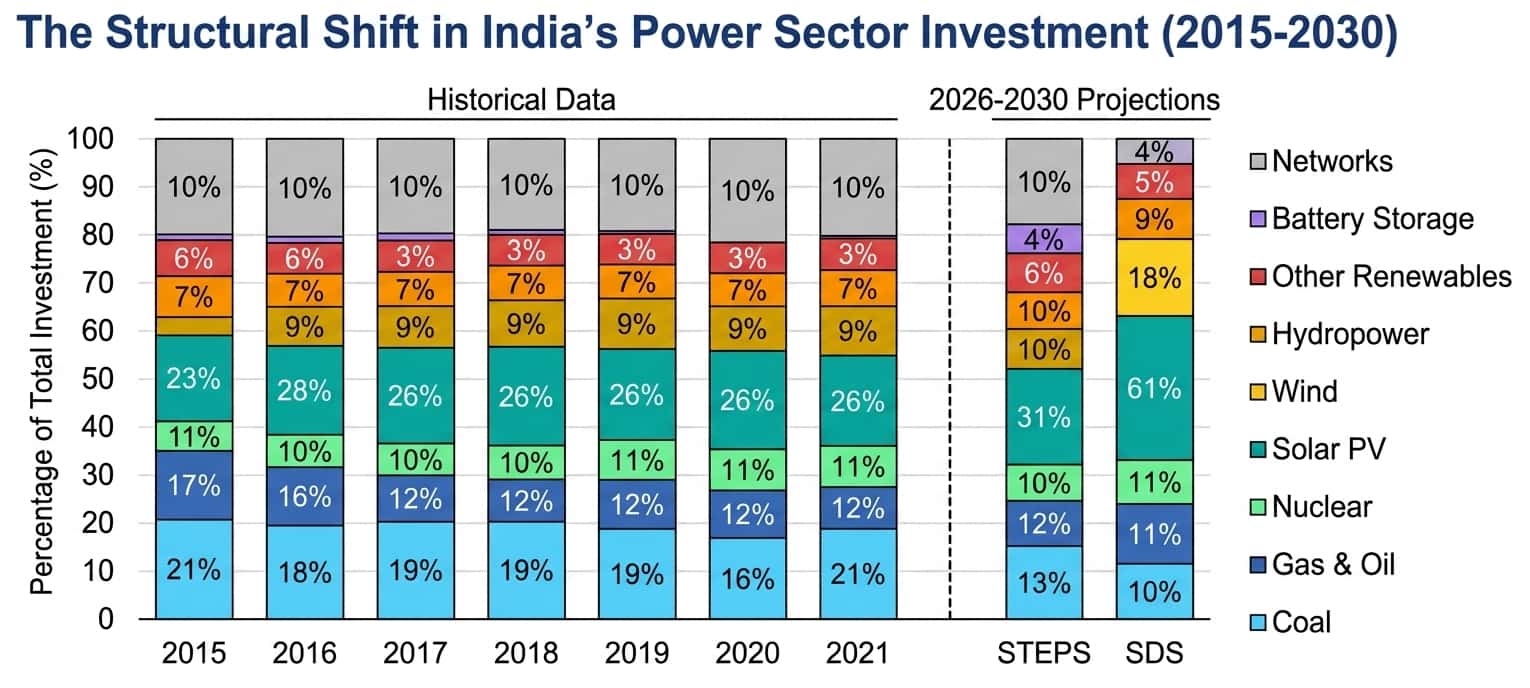
The system is evolving at different speeds—generation is accelerating, decentralisation is expanding, but transmission and market mechanisms are lagging behind.
What is emerging, therefore, is not just an energy transition, but a coordination challenge that cuts across institutional and technical boundaries. Progress in one part of the system is increasingly creating stress in another.
As more renewable capacity is added, these stresses are likely to intensify unless addressed through integrated planning and policy alignment.
Looking ahead, the next phase of India’s energy transition is likely to be defined less by capacity additions and more by system optimisation. This will involve strengthening transmission networks, modernising distribution systems, and enhancing market mechanisms to better handle variability and decentralisation. The focus will shift from building more megawatts to ensuring that existing capacity is used efficiently and reliably.
In this sense, India is moving from an era of energy scarcity to one of managed abundance. The challenge is no longer simply to generate clean power, but to align the institutions, infrastructure, and markets that determine how that power is used.
How effectively this alignment is achieved will shape not only the success of India’s renewable ambitions, but also the broader evolution of its power sector.
Cover image: AI-generated (representative)