
India's nuclear ambitions are gathering momentum, but the biggest challenge may not be financing, technology or regulation. The real test could be whether the country can build the industrial ecosystem needed to support one of the world's most ambitious nuclear expansion programmes.
India's nuclear sector is experiencing a revival. Over the past few months, policymakers, state governments, public-sector enterprises and private companies have all signalled growing interest in expanding the country's nuclear power capacity. The government's goal of achieving 100 GW of nuclear capacity by 2047 has transformed what was once a niche segment of the power sector into a key component of long-term energy planning. Analysts estimate that achieving this ambition could require investments running into tens of lakh crore rupees, along with significant regulatory and institutional reforms.
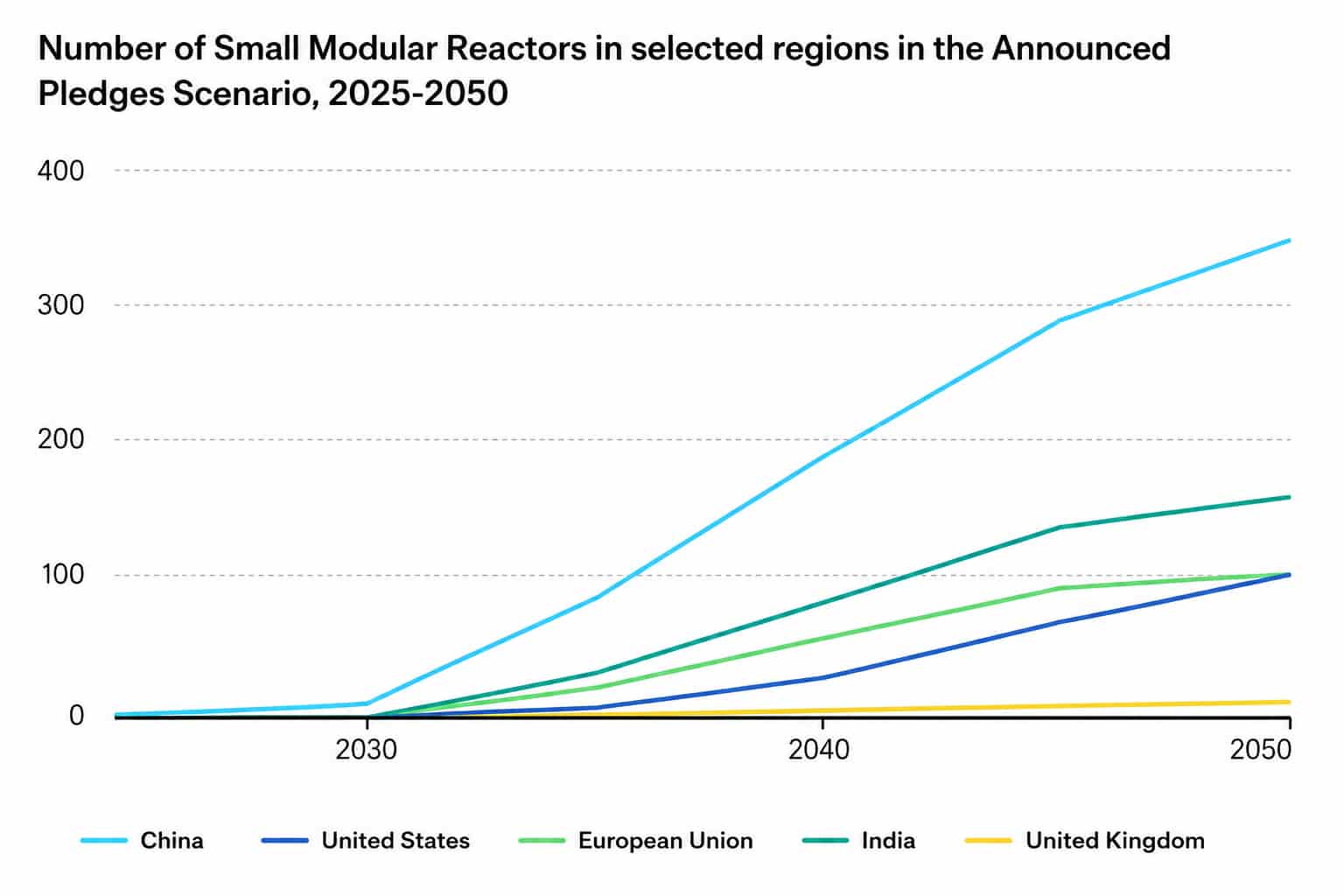
Most discussions so far have focused on capacity targets, private participation, small modular reactors (SMRs) and investment opportunities.
However, a more fundamental question remains largely absent from the public debate: if India wants to increase its nuclear capacity more than tenfold over the next two decades, who will actually build it? Nuclear expansion is not merely an energy story. It is also a story about manufacturing capability, engineering capacity, supply chains and skilled manpower.
Everybody wants a piece of India's nuclear future
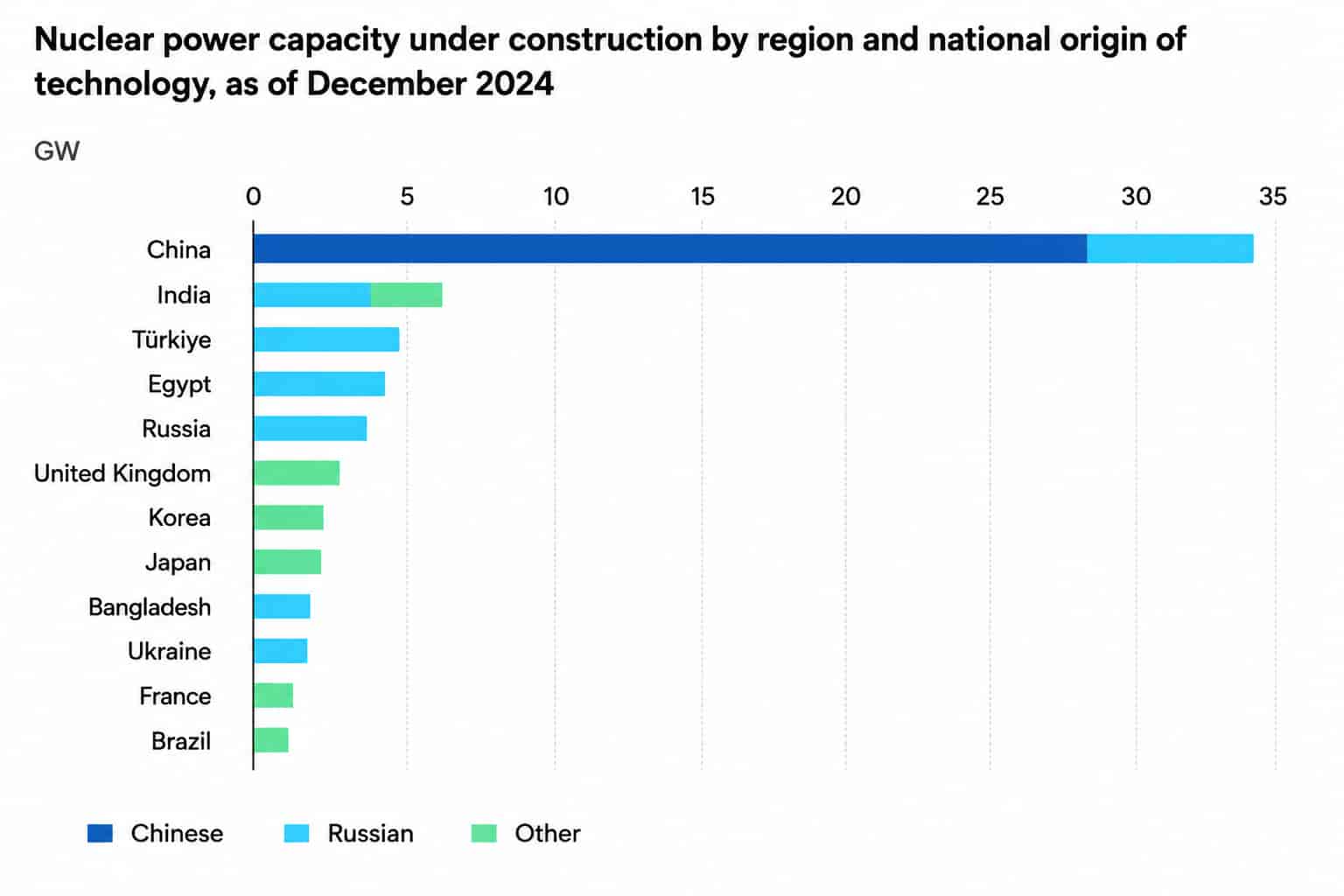
The growing interest in nuclear energy is evident across both the public and private sectors. Tata Power has reportedly initiated discussions with multiple states regarding potential nuclear projects, while NTPC is preparing feasibility assessments for its first nuclear power venture. Simultaneously, several state governments are competing to attract nuclear-related investments and position themselves as future hubs of atomic energy development.
Maharashtra has emerged as one of the most ambitious players in this race. The state government has announced large-scale plans linked to nuclear energy development and signed agreements aimed at significantly expanding future generation capacity. Other states are also exploring opportunities as policymakers increasingly view nuclear power as a strategic pillar of future energy security.
The execution bottleneck
Yet enthusiasm alone does not build reactors.
A recurring theme emerging from recent assessments is that India's biggest challenge may lie in execution rather than ambition. Reports examining the sector point to potential bottlenecks involving manufacturing capacity, supply chains, regulatory processes and project implementation. While investment interest appears strong, converting announcements into operational reactors is likely to be far more complicated.
Unlike solar parks, which can often be deployed within a few years, nuclear projects involve long development cycles, extensive safety requirements and highly specialised equipment. Every reactor requires complex engineering systems, precision manufacturing and rigorous quality standards. Scaling such capabilities across multiple projects simultaneously represents a significant industrial challenge.
The experience of countries that successfully expanded nuclear power offers an important lesson. Large nuclear programmes were not built solely through policy decisions. They depended on extensive domestic ecosystems involving engineering firms, component manufacturers, specialised suppliers and research institutions. India's ambitions may ultimately require a similar transformation.
A manufacturing challenge disguised as an energy story
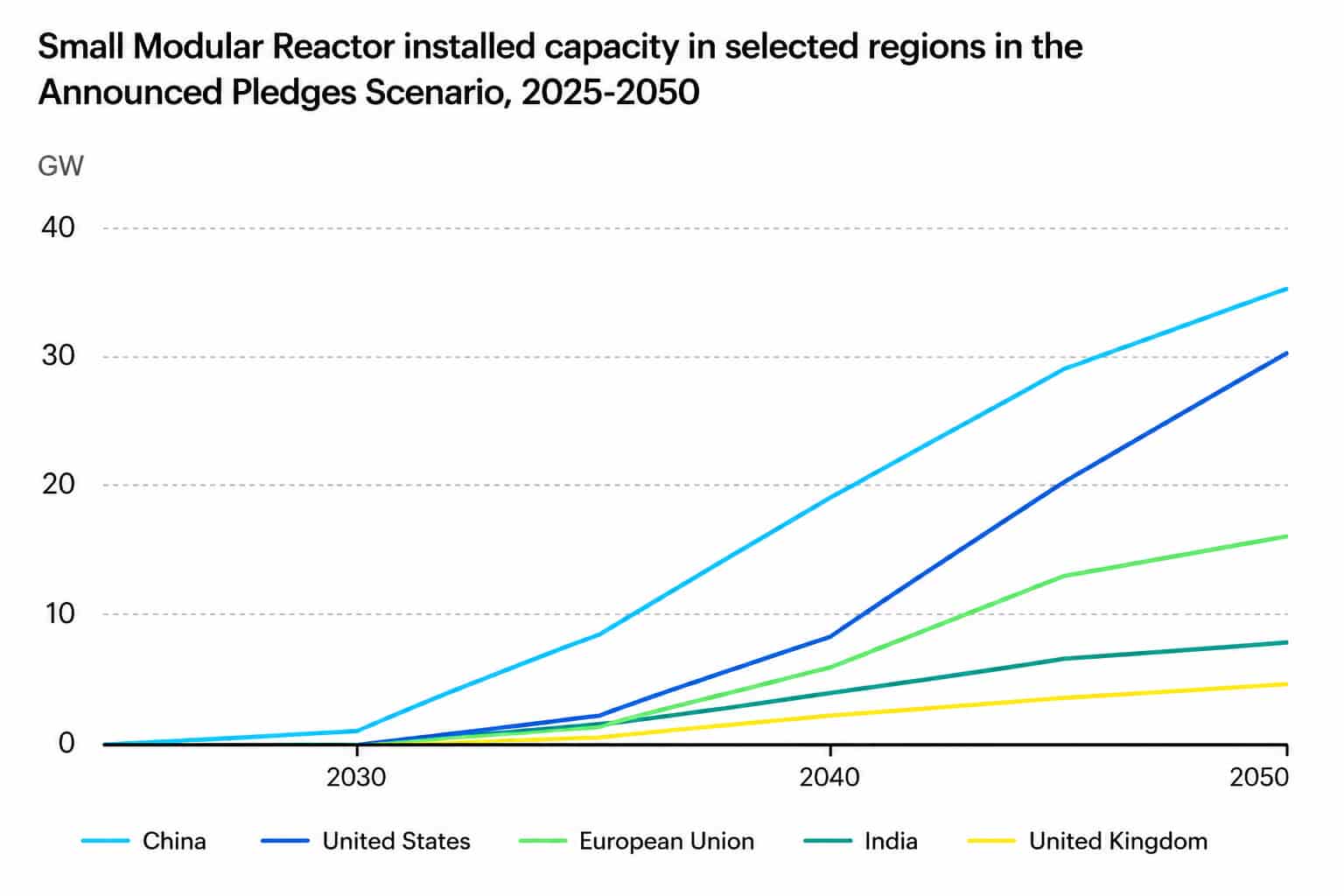
The debate surrounding nuclear power often focuses on electricity generation, but the underlying challenge is industrial.
A major expansion programme would require domestic capabilities across numerous sectors, including heavy engineering, specialised steel production, precision manufacturing, instrumentation, safety systems and advanced construction. The success of the programme may therefore depend as much on factories and workshops as on power utilities and policymakers.
Recent industry assessments suggest that creating this ecosystem could be one of the defining tasks of the next two decades.
The opportunity is substantial. A strong domestic nuclear manufacturing base could generate skilled employment, reduce dependence on imports and position India to participate in emerging global nuclear supply chains.
The workforce question
Industrial capacity is only one part of the equation.
Nuclear power projects require highly specialised expertise ranging from reactor engineering and radiation safety to project management and advanced construction techniques. Expanding capacity at the scale being discussed would necessitate a substantial increase in the number of trained professionals available to the sector.
This aspect receives far less attention than financing or policy reform, yet it may become equally important. Building reactors takes years. Building the workforce needed to support a nuclear industry can take even longer.
Why coal still shapes the conversation
The renewed focus on nuclear energy is taking place against the backdrop of rising electricity demand and continuing dependence on coal.
Even as India accelerates renewable energy deployment, coal remains the backbone of the power system. Recent data showed Coal India recording lower output growth at a time when electricity demand touched record highs. The situation highlights the continuing challenge of balancing energy security, affordability and decarbonisation.
For policymakers, nuclear power is increasingly being viewed as a source of reliable, round-the-clock electricity that can complement renewable energy. Unlike solar and wind generation, nuclear plants can provide continuous power regardless of weather conditions. This characteristic is one reason why nuclear energy is re-entering strategic energy discussions after years on the margins.
Beyond climate goals
Another notable feature of the current nuclear push is that it is increasingly being justified on grounds extending beyond climate commitments.
Energy security, industrial growth, future electricity demand and technological competitiveness are all becoming part of the nuclear narrative. Advocates argue that a growing economy seeking to expand manufacturing, support data centres, electrify transport and maintain grid reliability may require a broader mix of energy sources than renewables and coal alone.
The discussion around thorium-based technologies and advanced reactor designs also reflects a desire to leverage India's unique resource advantages and strengthen long-term energy independence.
The real test lies ahead
India's nuclear ambitions are attracting attention because of their scale. Yet the coming years may reveal that the greatest challenge is not announcing reactors, attracting investors or setting targets.
The harder task will be creating the industrial foundations needed to sustain a multi-decade construction programme.
The future of India's nuclear sector will not be decided solely in government ministries or corporate boardrooms. It will also depend on manufacturing plants, engineering firms, universities, training institutes and supply chains spread across the country.
The nuclear dream is often measured in gigawatts. Its success, however, may ultimately be measured in industrial capability.