
Recently, the Government of India extended safeguard duty on imported solar cells and solar modules by one more year. The government imposed safeguard duty of 14.90% on solar cells and solar modules (after deducting anti-dumping duty) for six months beginning from July 30. For the subsequent six months, the solar cells and solar modules will attract a duty of 14.50%.
Except for China, Vietnam and Thailand, this wouldn’t apply to other developing nations as categorically stated by the Ministry of Finance.
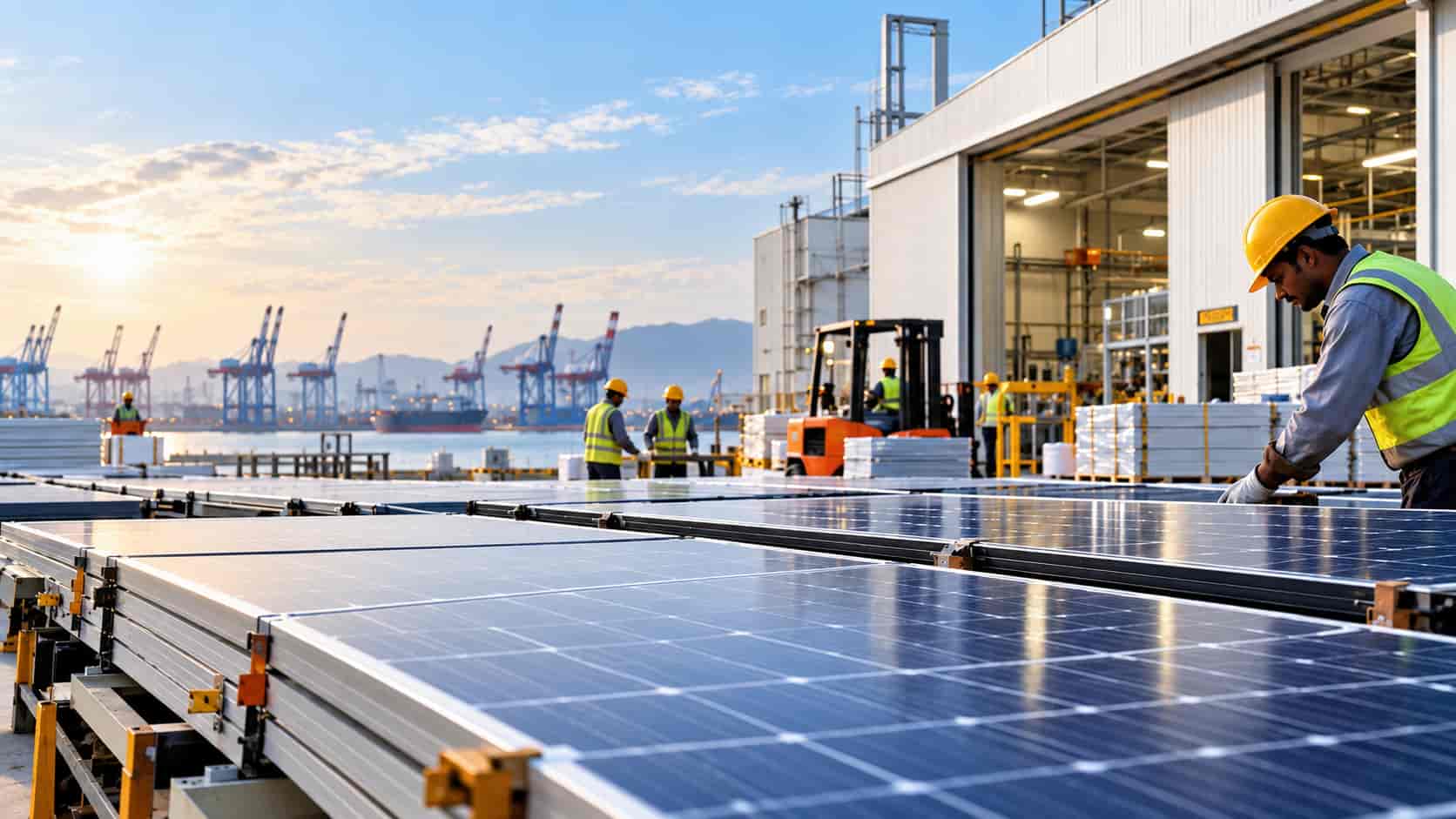
Some market analysts believe that the government’s move may result in possible ramifications in India’s energy sector especially in curbing imports and promoting indigenous manufacturing. Well, this isn’t the first time that India has done so. In an earlier instance under similar circumstances, the World Trade Organisation had slapped a case against India. It’s no secret that Indian markets for long has been flooded with cheap Chinese imports and the country was finding it tough to break the shackles.
The outbreak of coronavirus has been a game-changer. There has been a change in outlook with a rising preference towards domestically manufactured products something which is manifested in the government’s Aatmanirbhar motto. Nevertheless, for India to compete itself against an established powerhouse like China it needs to do more than what meets the eye. Imposition of duties is but a small deterrent, the country’s solar sector has to first fix its own limitations.
Three years ago, the Ministry of New and Renewable Energy had acknowledged that India’s solar sector wasn’t able to utilize its domestic capacities to their full potential due to technological gaps. The country lagged far behind foreign solar industries when it came to technology know-how and operational competencies.
Indian solar manufacturers were somehow managing the show with imports from China but in wake of the new restrictions imposed by the government, things have become difficult. The solar industry needs to battle its technological limitations as well as contain with the import restrictions which become a challenge.
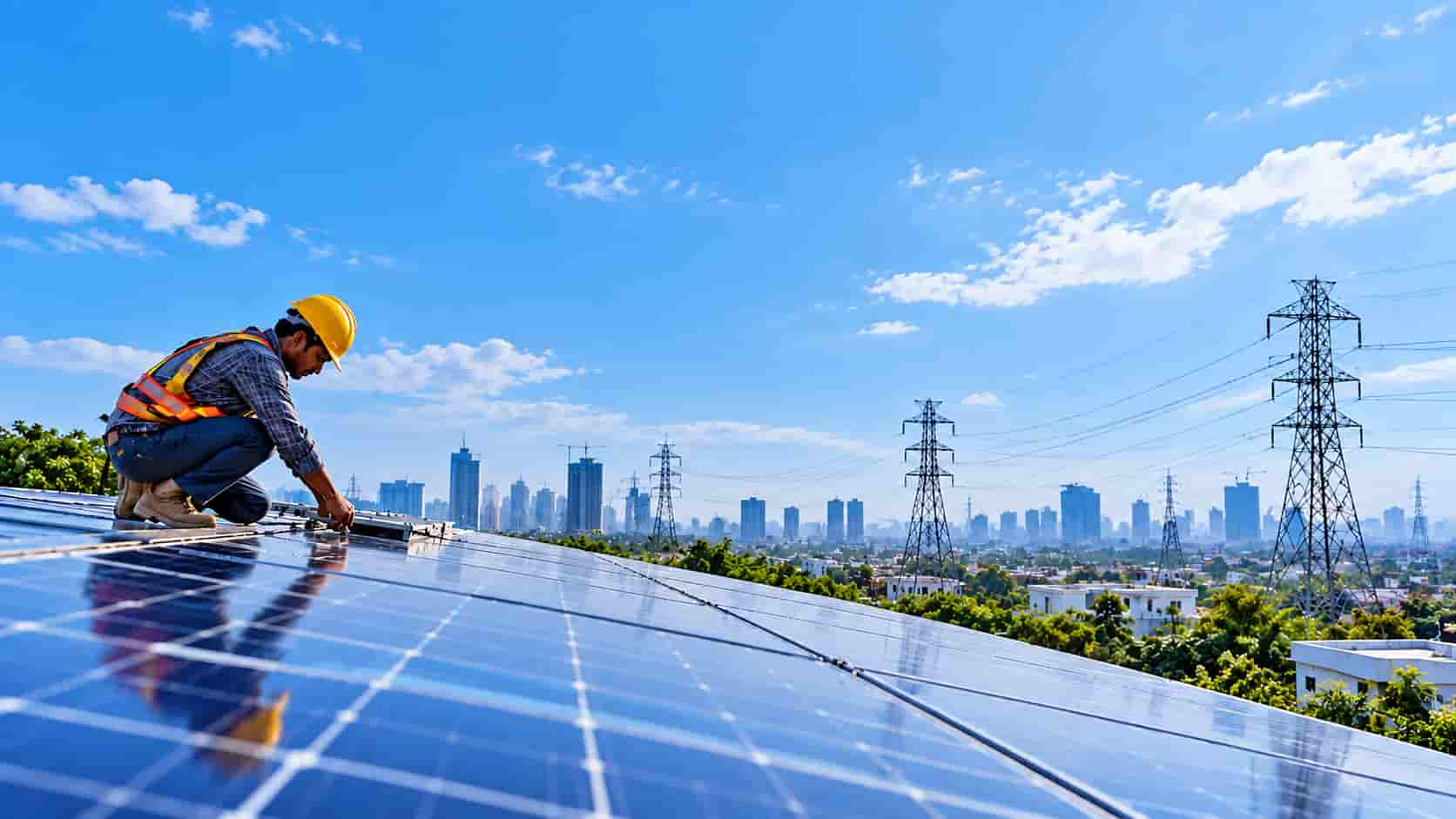
Covid-19 brought forth uncertainties in many businesses including that of the solar sector. Labour shortage and postponement of signing power purchase agreements after the bidding process is over is leading to delays in tariff adoption and alterations in module prices. Industry experts have pointed out that as result economics of several of the solar power projects which are under various phases of construction have been substantially hampered.
India’s annual demand for solar cell manufacturing is 20 GW but its current average annual capacity is way below at 3 GW. Delays in manufacturing will have adverse impacts on the country’s energy security and economy in the long run.
India, therefore, needs urgent policy intervention and financial support from various stakeholders if it wants to substitute Chinese imports. The think-tanks from public and private sector enterprises need to come together to formulate a strategy for the long-term development of the solar sector in line with the objectives of the National Solar Mission.
It needs to address the grey areas in terms of price, profitability, financing and capacity gaps simultaneously. Once implemented successfully then the industry can help in saving billions of dollars that it spends in importing equipment.
Along with R&D in technical knowhow, the sector also needs to train its manpower for making available a pool of engineers who can work on those technologies. This calls for greater industry-academia collaborations, solar companies must explore collaborations with leading technical institutions like IITs, Council of Indian Scientific Research, National Skill Development Council, etc. for building capacities in solar manufacturing. Aatmanirbhar Bharat Abhiyaan has certainly given the industry a direction but the groundwork has to be done to reap the benefits.
(The author is a Delhi-based journalist. He can be reached at prasad.n@indoen.com)