
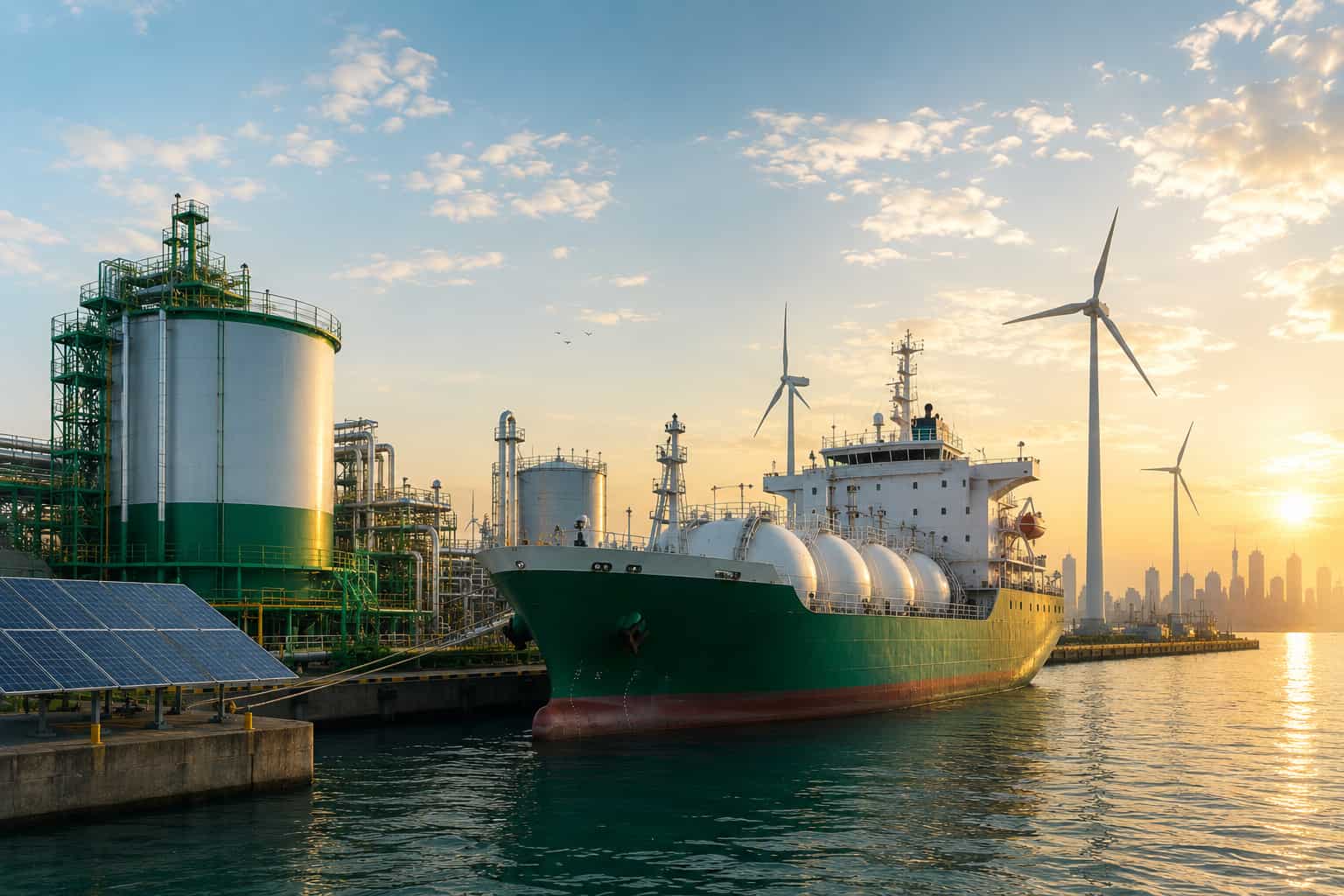
India’s push towards cleaner industrial fuels and low-emission shipping has received a significant boost with energy and environment solutions company Thermax partnering with Ankur Scientific to develop what is being described as India’s first green methanol production facility at Deendayal Port in Gujarat.
According to a report by Manufacturing Today India, the upcoming project will have an annual production capacity of 18,000 tonnes and is expected to cater primarily to the maritime sector, which is increasingly under pressure to reduce emissions and move away from conventional fossil fuels.
The project reflects a broader global shift towards alternative fuels for shipping, one of the hardest sectors to decarbonise because of its dependence on energy-dense fuels. Green methanol is emerging as one of the most closely watched options in this transition because it can be stored and transported more easily than hydrogen while producing significantly lower emissions than conventional marine fuels.
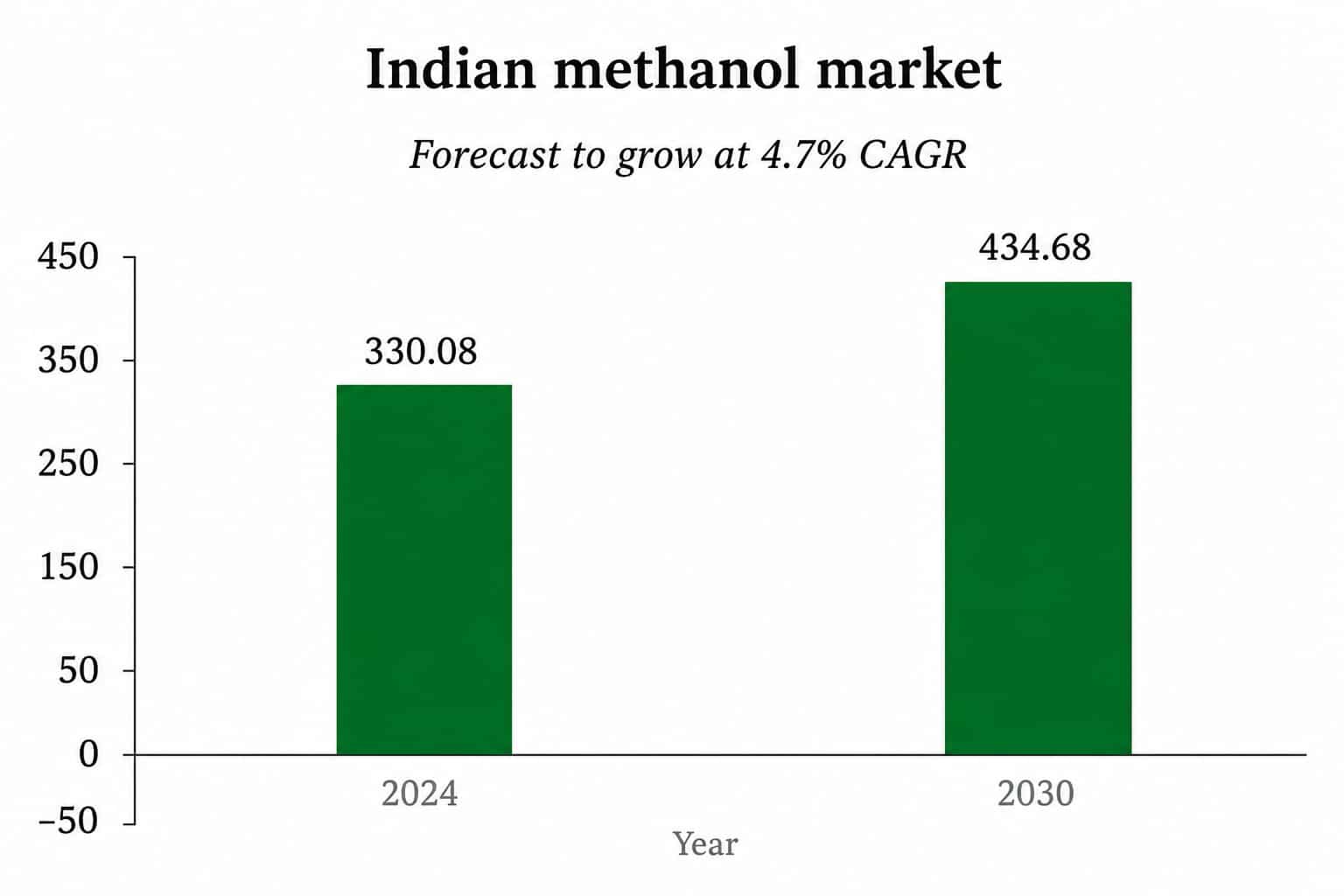
Data Source: ERM Report, Denmark
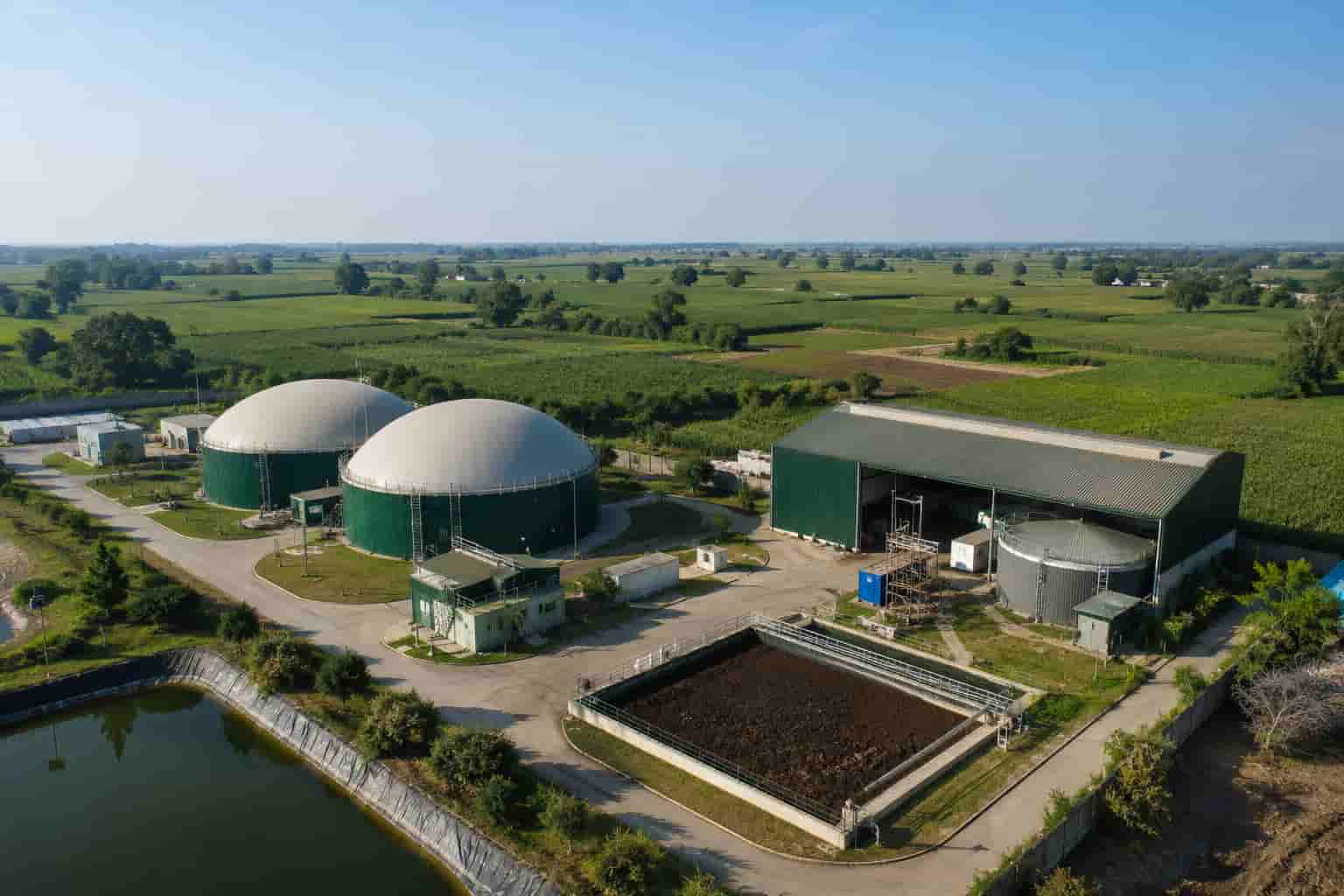
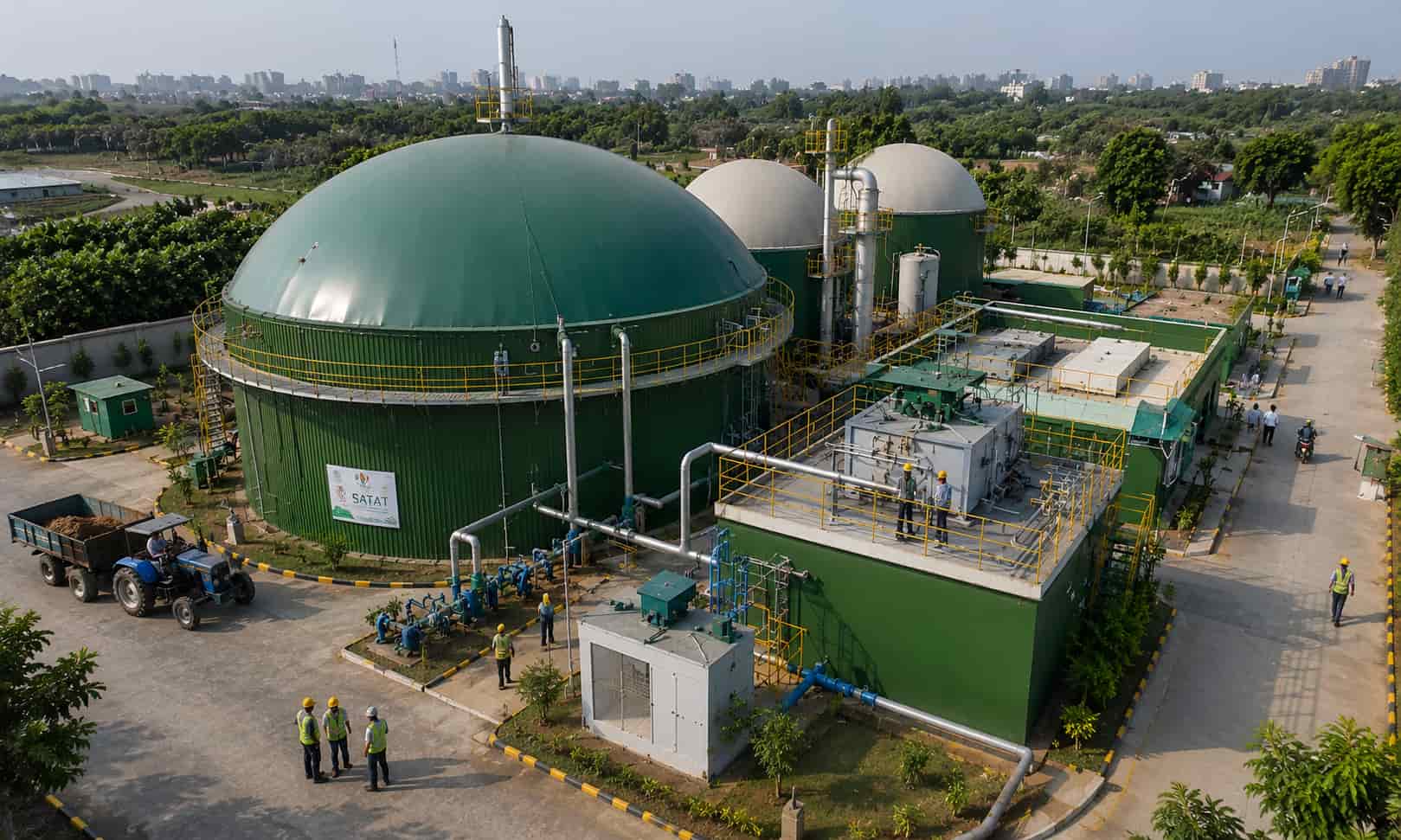
The Gujarat facility will use biomass feedstock — particularly Ganda Baval or Prosopis juliflora, an invasive woody species found extensively in Kutch — to produce methanol through biomass gasification and fuel-processing technologies. Thermax will contribute its expertise in chemical and fuel processing, while Ankur Scientific will provide biomass gasification technology.
Interestingly, the project also turns an ecological problem into an industrial resource. The invasive shrub, which has spread aggressively across parts of Gujarat and displaced native vegetation, is now being repurposed as a feedstock for clean fuel production. Analysts say such approaches could help India simultaneously address biomass management, rural resource utilisation and fuel import dependence.
The timing is significant. Global shipping companies are increasingly investing in methanol-capable vessels as regulators tighten emission norms. Methanol is gaining traction because it can substantially reduce sulphur oxide and particulate emissions while lowering carbon emissions when produced from renewable or biomass-based sources. Major shipping routes and ports are also beginning to prepare for a future green methanol ecosystem.
India’s maritime sector is expected to emerge as a major future consumer of green methanol. Industry estimates suggest the country’s shipping sector could require nearly 37,000 tonnes of methanol by 2030, meaning the Thermax-Ankur project alone could potentially meet a substantial portion of early demand.
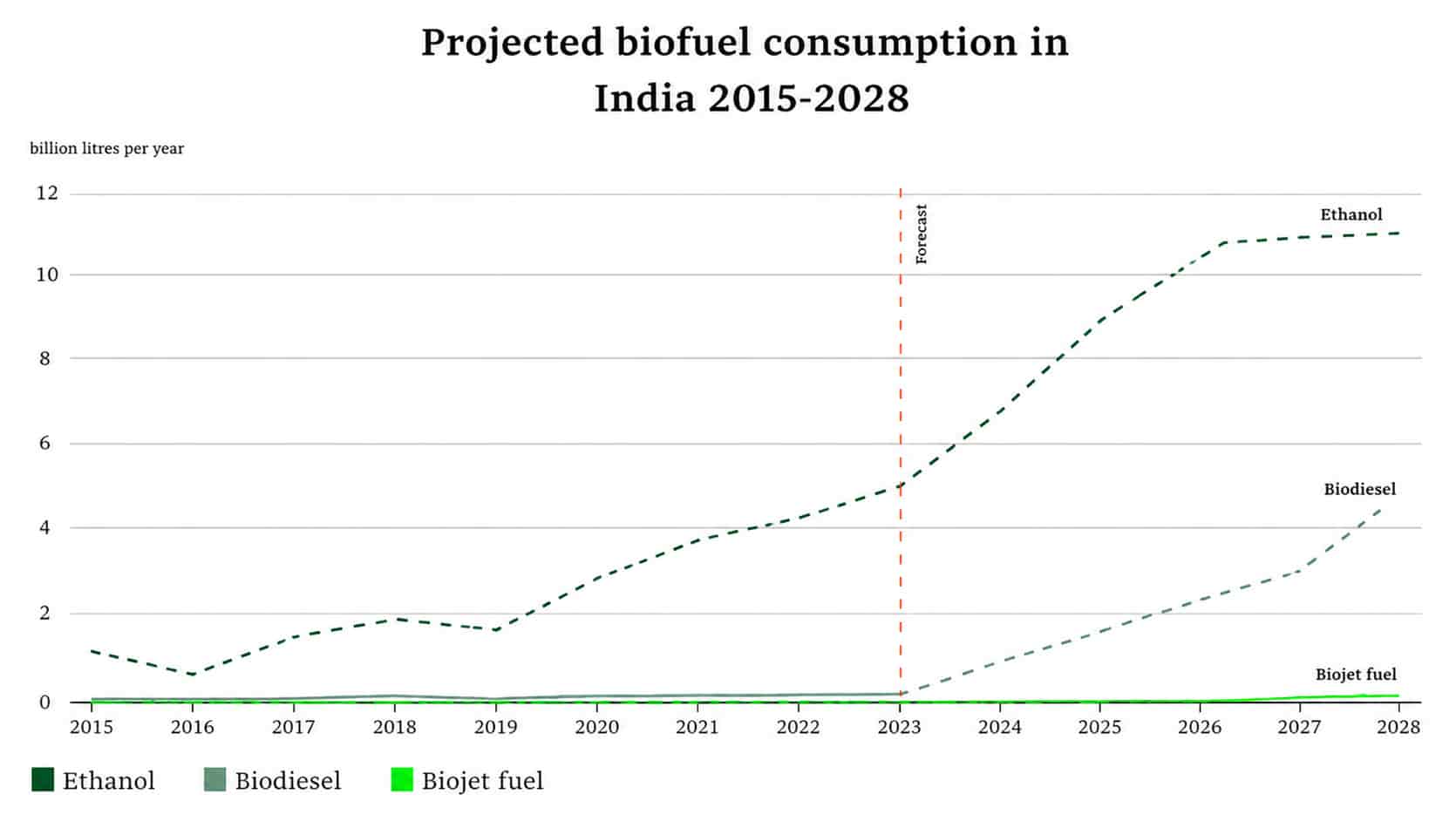
Data Source: ERM Report, Denmark
The project also fits into a larger strategic shift underway in India’s energy transition. Unlike solar or wind power, fuels such as green methanol are being viewed as critical for sectors where direct electrification remains difficult, including shipping, heavy industry and long-distance transport. Methanol’s liquid nature at ambient temperatures gives it a logistical advantage over hydrogen, which remains expensive and difficult to store and transport.
Globally, the green methanol market is still at a relatively early stage but is attracting rising investments from shipping firms, industrial companies and energy producers. International shipping giant Maersk has already deployed methanol-powered container ships, while ports and fuel suppliers across Europe and Asia are beginning to build methanol bunkering infrastructure.
For India, the development is also tied to concerns around energy security and import dependence. The country currently imports large quantities of fossil fuels and industrial feedstocks. Domestic production of biomass-based green fuels could therefore become strategically important as geopolitical disruptions continue to affect global energy markets and maritime trade routes.
Against that backdrop, the Thermax-Ankur initiative is more than just another industrial project. It signals how Indian companies are positioning themselves within the emerging global market for low-carbon fuels, while also aligning with the country’s wider ambitions around green shipping, cleaner industry and energy transition.