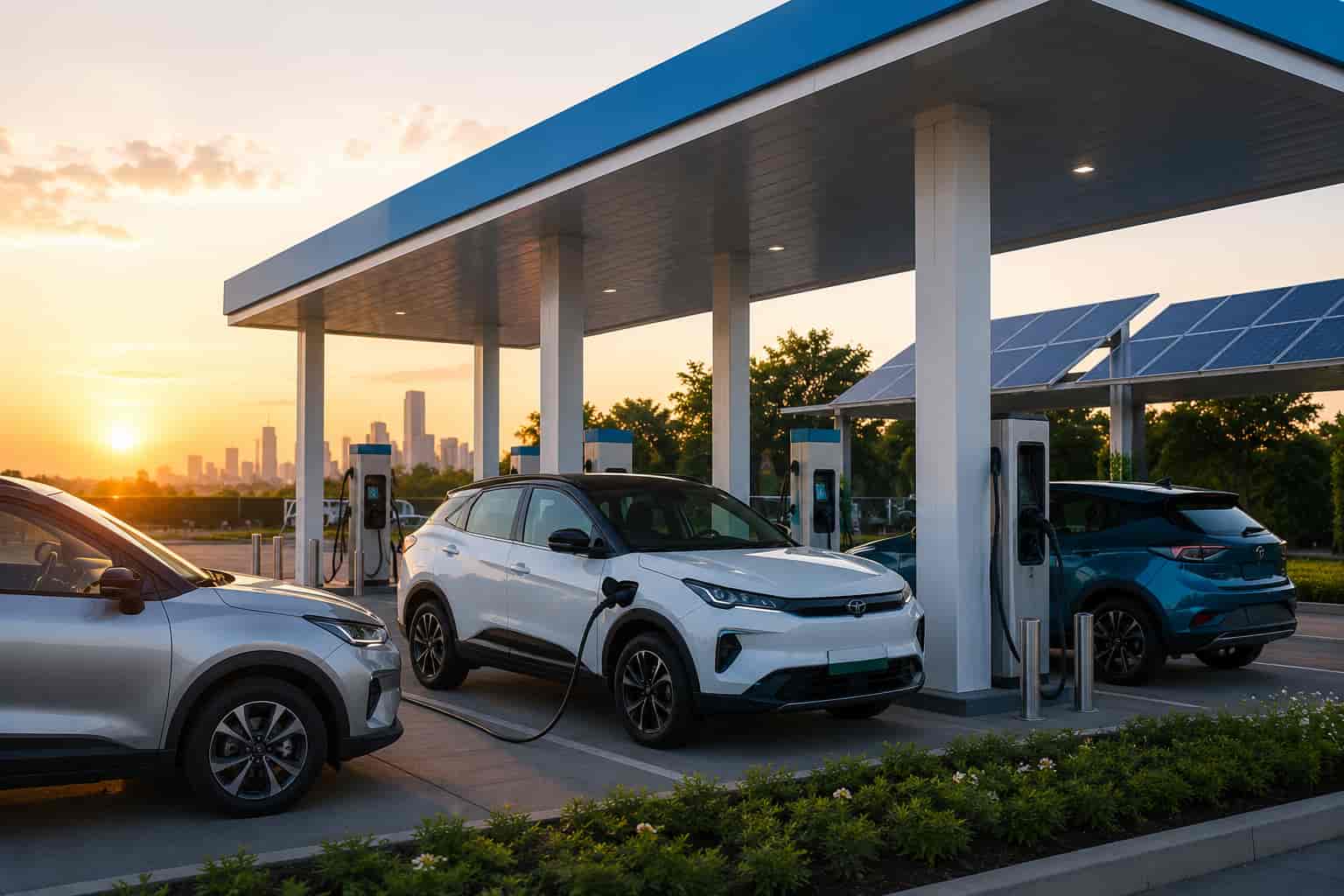

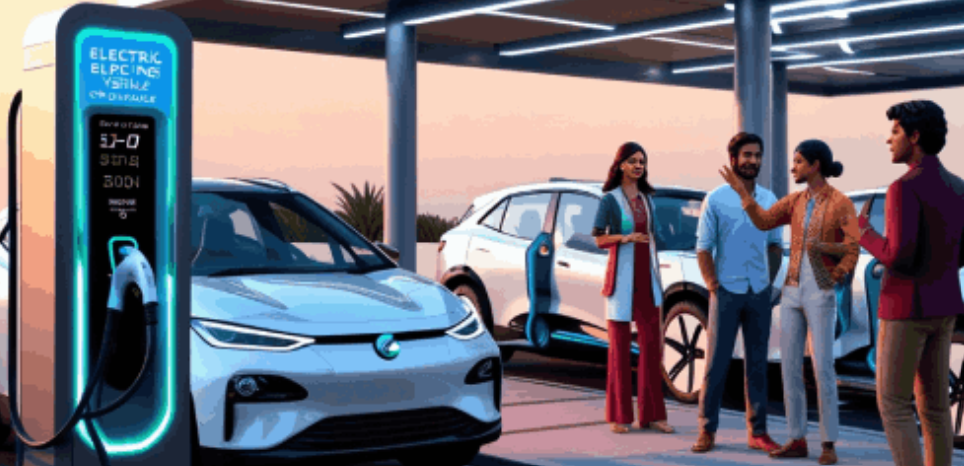

India's push toward an electric mobility revolution will require substantial private investment, robust policy backing, and integrated infrastructure solutions, industry leaders stressed at a high-profile discussion on e-mobility in emerging economies.
Speaking at a panel on "Establishing Transformative, Integrated E-Mobility Ecosystems in Emerging Economies,” in the recently concluded India Energy Week 2025 top executives from the energy and mobility sectors underlined that while India has made strides in e-mobility adoption, sustained growth will hinge on addressing infrastructure and financial hurdles.
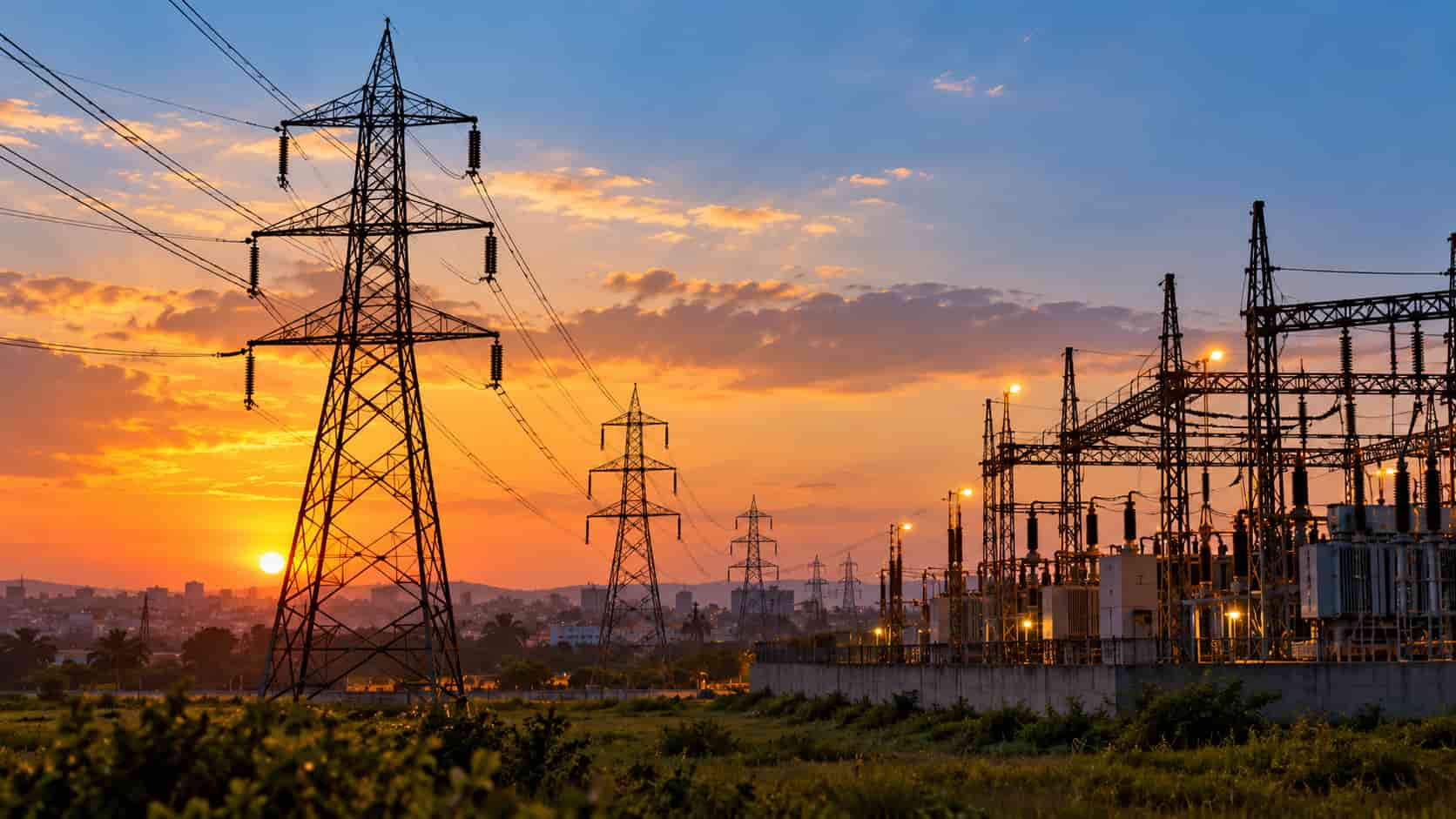
Vishal Kapoor, CEO of Energy Efficiency Services Limited (EESL), highlighted the scale of investment needed to support the transition. “One major hurdle is the installation of distribution transformers and capacity augmentation. Currently, with a limited number of EVs, this is manageable, but as the ecosystem grows, large-scale private sector investment—amounting to several lakh crores—will be needed,” he said.
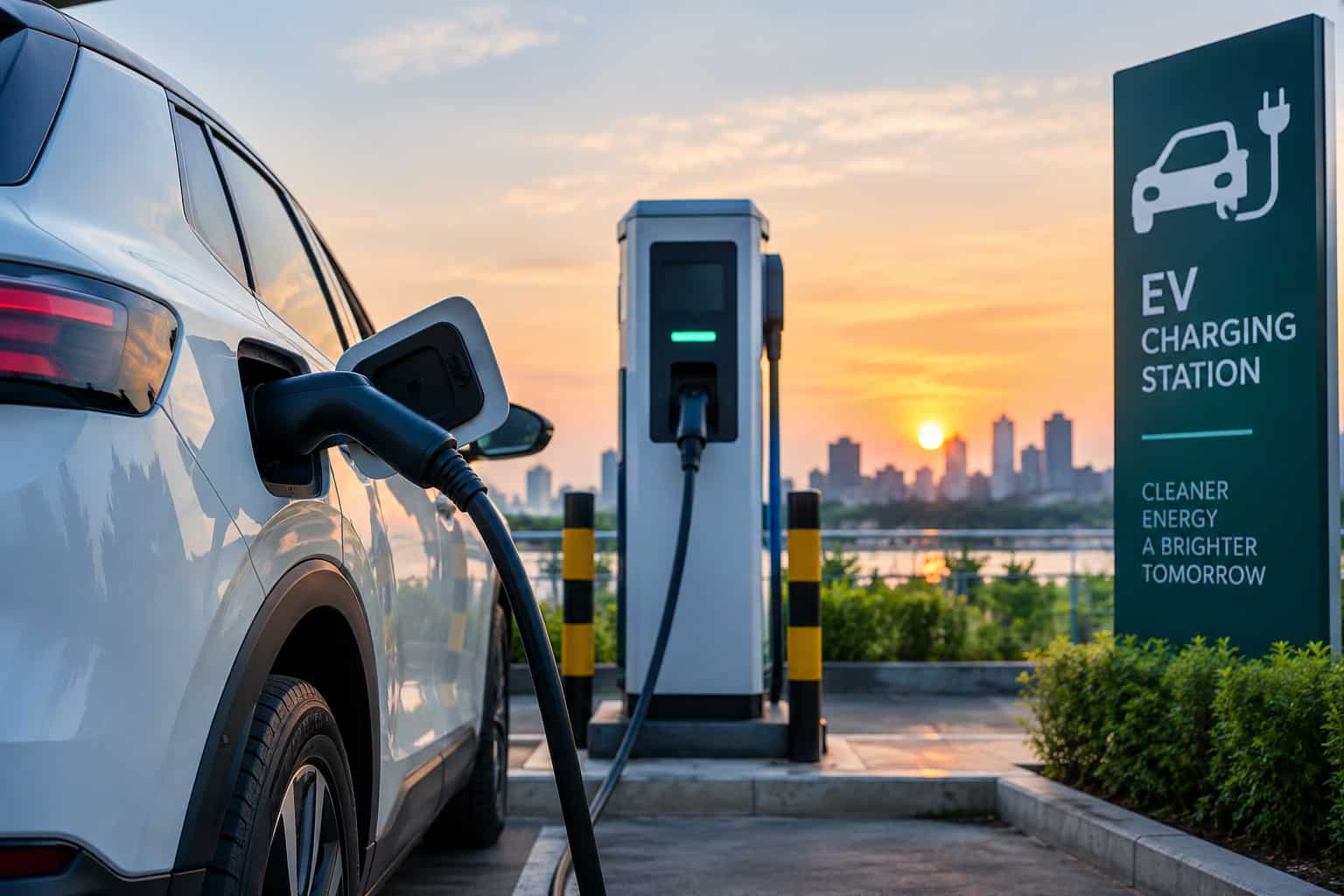
The Indian government has implemented multiple policies, such as the Faster Adoption and Manufacturing of Electric Vehicles (FAME) scheme, aimed at encouraging e-mobility. However, experts argue that private capital will be crucial in expanding charging networks and integrating renewable energy into transportation.
Dr Shailendra Shukla, Managing Director of Eaton’s Mobility Group in India, pointed out the need for standardisation across vehicle categories to streamline infrastructure development. “Public-private partnerships will be instrumental in ensuring a smooth transition. We must prioritise research and development, as the biggest expense in energy transition will come from innovation,” he remarked.
Shukla also noted that LNG and hydrogen-powered vehicles were prominently featured at the ongoing industry exhibition, underlining their growing role in mobility solutions.
Technology integration and predictive analytics will also play a key role in shaping India’s e-mobility landscape, noted Vignesh Nandakumar, CEO Asia at Enfinity Global. “India's strong internet penetration can enhance efficiency, but affordability remains a key factor in driving widespread adoption,” he said, emphasising the need to incorporate AI-driven models to predict energy demand effectively.
The conversation also touched on India’s evolving energy security landscape. Sarthak Behuria, Chairman of the Board of Directors at Reliance BP Mobility Ltd, reflected on how the country’s reliance on fossil fuel imports has increased over the decades. “Fifty years ago, our dependence on fossil fuel imports was below 50%. Today, it has significantly increased. While we have built a robust infrastructure to ensure petroleum accessibility, our challenge extends beyond energy security to energy transition,” he said.
Behuria noted that while fossil fuels will remain dominant in the near term due to growing energy consumption, a gradual shift from CNG to biogas and other alternative fuels is imperative.
Min Yih Tan, Senior Vice President of Mobility Asia at Shell, laid out three key factors that will determine e-mobility success: availability, reliability, and investment viability. “Scaling up demand and consumption will make supply a critical factor in ensuring a successful mobility transition. We also need to focus on capability-building and developing skilled human resources,” he noted.
While India Energy Week 2025 served as a backdrop for these discussions, the emphasis on e-mobility aligns with India’s broader energy transition goals. With the government aiming for a significant reduction in carbon emissions by 2030 and a shift toward cleaner energy sources, the insights from industry leaders reinforce the urgency of mobilizing private investment and fostering technological innovation to accelerate EV adoption in the country.
Kindly follow us for updates on: