

India’s renewable energy sector is entering a more mature phase, where its role is no longer limited to incremental capacity addition but is beginning to shape how electricity demand itself is met. Recent developments across wind energy expansion, peak demand contribution, and emerging innovation suggest a structural shift in how renewables are positioned within the energy system.
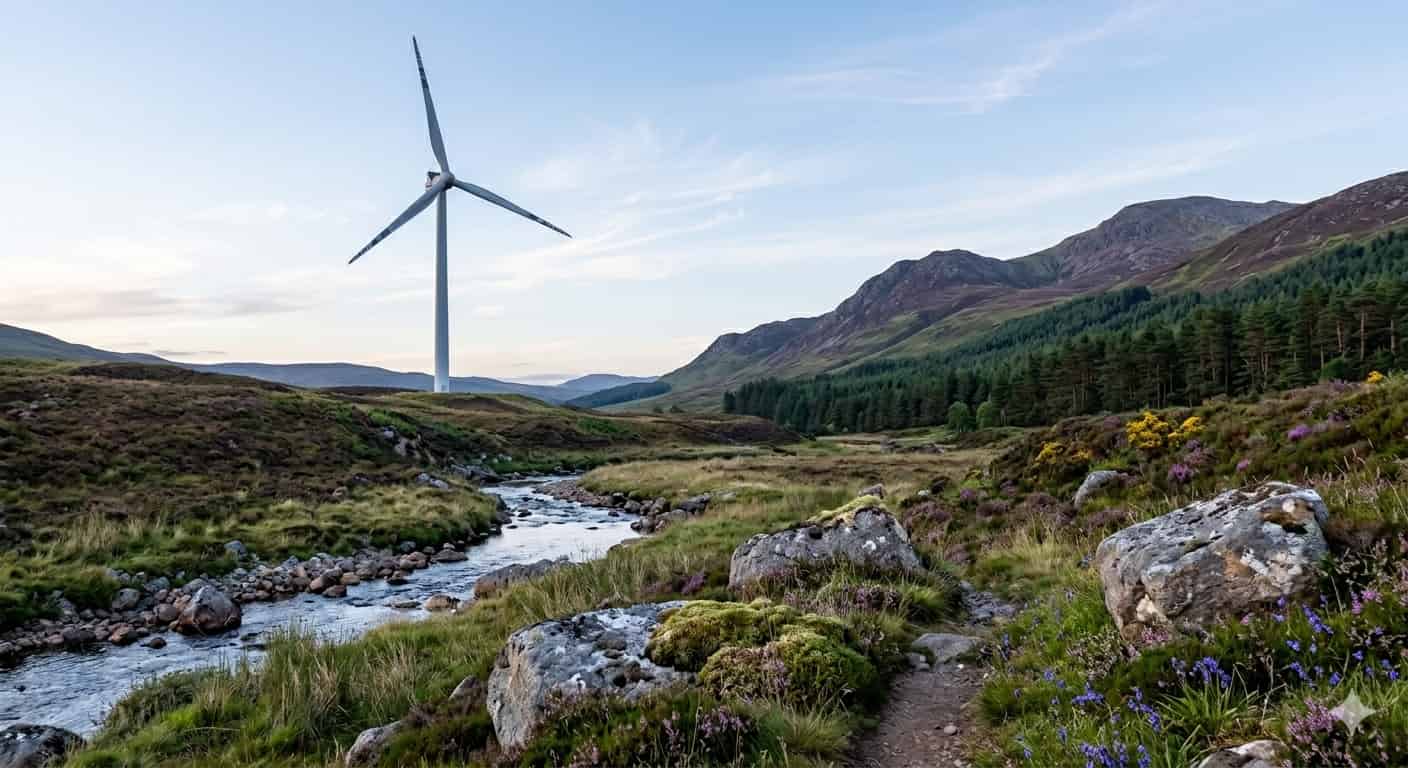
The government’s push to scale wind energy capacity to 156 GW by 2036 signals a renewed strategic focus on balancing India’s renewable mix. After years of solar-led growth, wind is re-emerging as a critical pillar—particularly for providing more stable and complementary generation patterns. This shift reflects a broader recognition that future renewable growth will need to be more diversified and system-oriented.
At the same time, renewables are beginning to demonstrate their ability to meet real-time electricity demand at scale. During a recent record peak of 256 GW, nearly one-third of the demand was met through renewable sources—an indicator that clean energy is increasingly becoming central to the country’s power supply, rather than operating at the margins.
This shift has implications for how the energy market evolves. As renewables begin to serve peak demand more reliably, their role in pricing, dispatch, and long-term planning is likely to expand. This could gradually alter the traditional hierarchy in the power sector, where fossil fuels have historically dominated critical supply functions.
Alongside large-scale developments, innovation at the edges of the renewable ecosystem is also gaining traction. A Rajasthan-based entrepreneur’s portable wind turbine, now seeing demand across more than 50 countries, highlights a parallel trend—the rise of decentralised and flexible renewable technologies.
While such innovations remain niche in terms of overall capacity, they point to an expanding renewable landscape that goes beyond utility-scale projects. Distributed solutions, mobility-linked applications, and export-oriented technologies are beginning to form a secondary layer of growth, one that could reshape how energy is consumed and delivered in specific segments.
At the same time, policy and implementation dynamics continue to influence the pace of this transition. Delays in renewable-linked infrastructure projects, such as green energy corridors, reflect the complexity of coordinating large-scale energy transitions across multiple institutions and regions.
However, rather than slowing the transition, such frictions underline a more important shift: renewable energy is no longer peripheral enough to be managed in isolation. It is becoming deeply embedded in the broader energy system, where policy, markets, and innovation must evolve together.
What emerges from these trends is a sector that is no longer defined solely by growth targets, but by its expanding functional role. Wind revival, peak demand participation, and technological diversification are collectively pushing renewables into a more central position within India’s energy landscape.
The next phase of India’s renewable journey, therefore, will not just be about how much capacity is added, but how effectively renewables shape demand patterns, market behaviour, and technological innovation. That shift—from scale to system influence—may ultimately define the success of the transition.
Cover image: AI-generated (representative)