

India’s storage-linked solar procurement signals a new phase in dispatchable renewable power
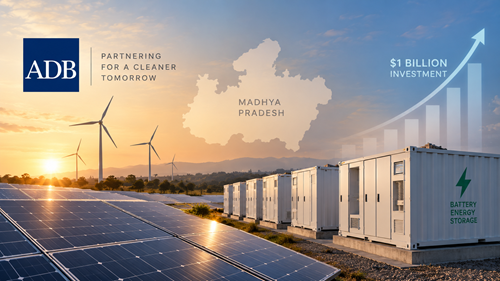
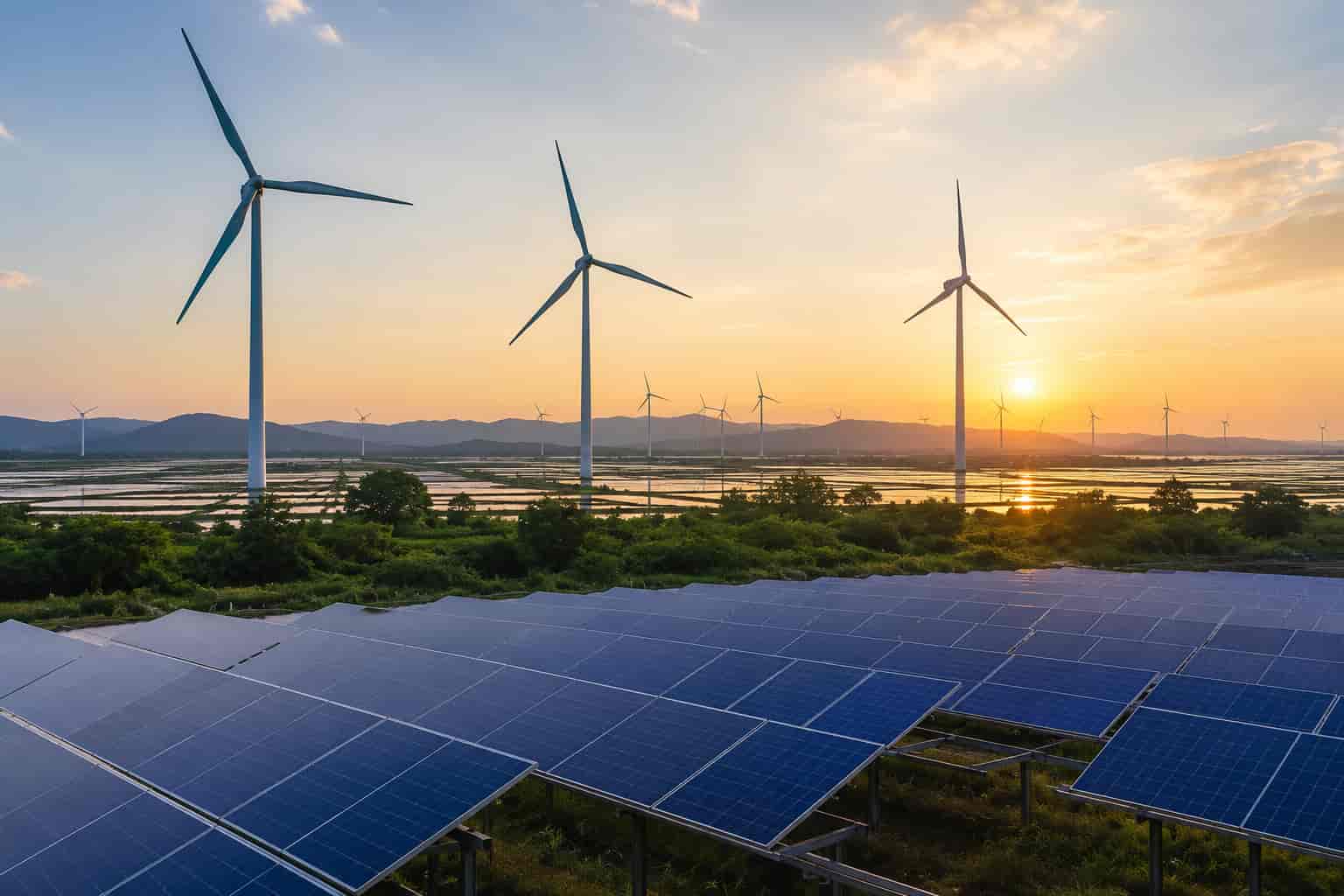
The decision by Rewa Ultra Mega Solar Limited (RUMSL) to tender 250 MW of solar projects integrated with battery storage reflects how India’s renewable sector is gradually moving beyond pure capacity addition towards firm and dispatchable power supply models.
The projects reportedly include assured peak-hour electricity delivery obligations, signalling the increasing importance of storage-backed renewables in addressing grid balancing challenges as solar penetration rises across India.
The tender also illustrates how state-backed agencies are beginning to reshape renewable procurement structures around reliability rather than only low tariffs. As India’s evening peak demand rises sharply due to urbanisation, cooling demand and industrial electrification, hybrid renewable systems with storage are likely to become central to future power market design.
The shift could eventually reduce dependence on coal-based peaking power while simultaneously creating large-scale demand for battery manufacturing, storage financing and grid modernisation.
The development is also strategically important because it reflects the broader transition from isolated renewable projects towards integrated energy infrastructure systems combining generation, storage and flexible dispatch. Such projects are expected to play a major role in India’s evolving round-the-clock renewable energy market.
Chinese battery giant EVE Energy’s India entry highlights intensifying race for storage manufacturing scale
China’s EVE Energy securing an 8 GWh battery cell supply agreement in India, alongside discussions for a possible 60 GWh long-term partnership, underlines the rapidly expanding scale of India’s energy storage market.
The deal reflects how battery manufacturing is becoming one of the most strategically contested segments of the global energy transition, particularly as India accelerates renewable integration, electric mobility and grid storage deployment.
The agreement also highlights India’s continuing dependence on Chinese battery technology and manufacturing ecosystems despite efforts to develop domestic supply chains under production-linked incentive schemes.
While India is expanding cell manufacturing ambitions, much of the country’s near-term storage demand continues to rely on imported technology, equipment and raw material processing networks dominated by Chinese firms.
Beyond the immediate commercial dimension, the development signals the emergence of storage as a foundational infrastructure layer in India’s power system. Large-scale battery procurement is increasingly tied not only to electric vehicles but also to transmission stability, renewable integration, industrial energy security and future electricity market reforms.
India-UAE investment and energy agreements deepen Gulf role in India’s strategic infrastructure transition
The latest India-UAE agreements covering defence cooperation, energy partnerships and an estimated $5 billion investment commitment reinforce the Gulf region’s growing role in financing and shaping India’s long-term infrastructure and energy transformation.
The agreements come at a time when India is attempting to secure diversified capital inflows for large-scale energy, logistics and industrial expansion.
For the UAE, deeper engagement with India supports a broader geopolitical strategy of positioning Gulf capital at the centre of emerging Asian growth corridors and energy-transition investments. For India, such partnerships provide access to long-duration infrastructure finance at a time when domestic energy transition requirements are expanding rapidly across renewables, storage, transmission, hydrogen and industrial decarbonisation.
The energy dimension of the relationship is also evolving beyond conventional crude oil trade. Increasing cooperation around clean energy, strategic investments and industrial infrastructure suggests that Gulf sovereign capital may become increasingly influential in shaping India’s next-generation energy ecosystem.
Pace Digitek’s battery storage contracts reveal accelerating commercialisation of India’s BESS market
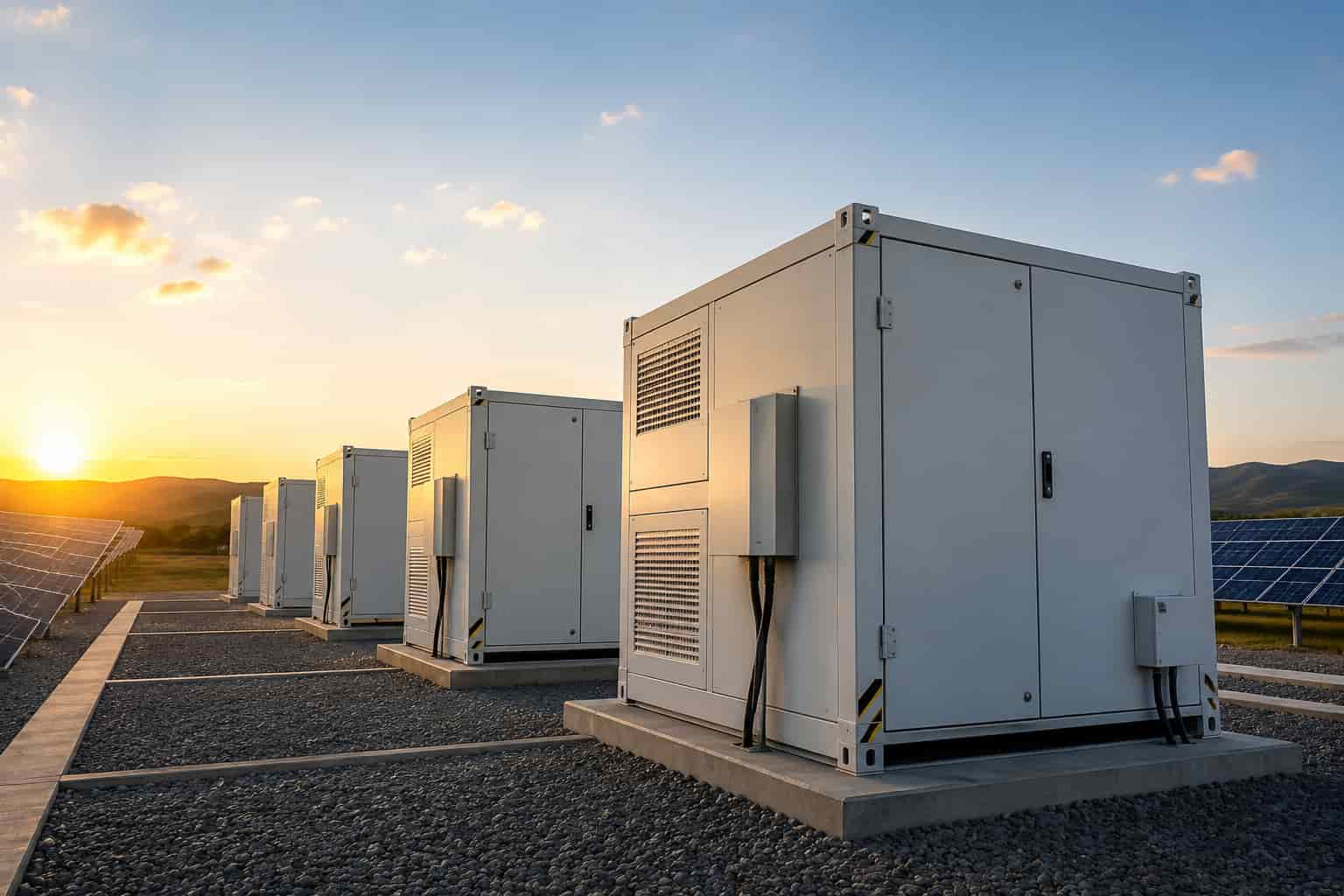
Pace Digitek securing large battery energy storage system contracts, including projects linked to NLC India Renewables, highlights the rapid emergence of battery storage as a commercially significant infrastructure segment in India’s power sector. The contracts indicate how utilities and renewable developers are increasingly integrating storage into grid planning and renewable deployment strategies.
The development reflects broader structural changes in India’s electricity system. As renewable capacity rises, battery storage is becoming critical for managing intermittency, reducing curtailment and supporting peak demand balancing.
This transition is gradually creating a new industrial ecosystem spanning battery manufacturing, engineering services, power electronics and energy management software.
The scale of storage-related procurement also suggests that India’s battery market may expand far beyond electric mobility. Grid-scale storage is increasingly emerging as a parallel growth engine driven by renewable integration requirements, transmission bottlenecks and the push for more flexible electricity markets.