
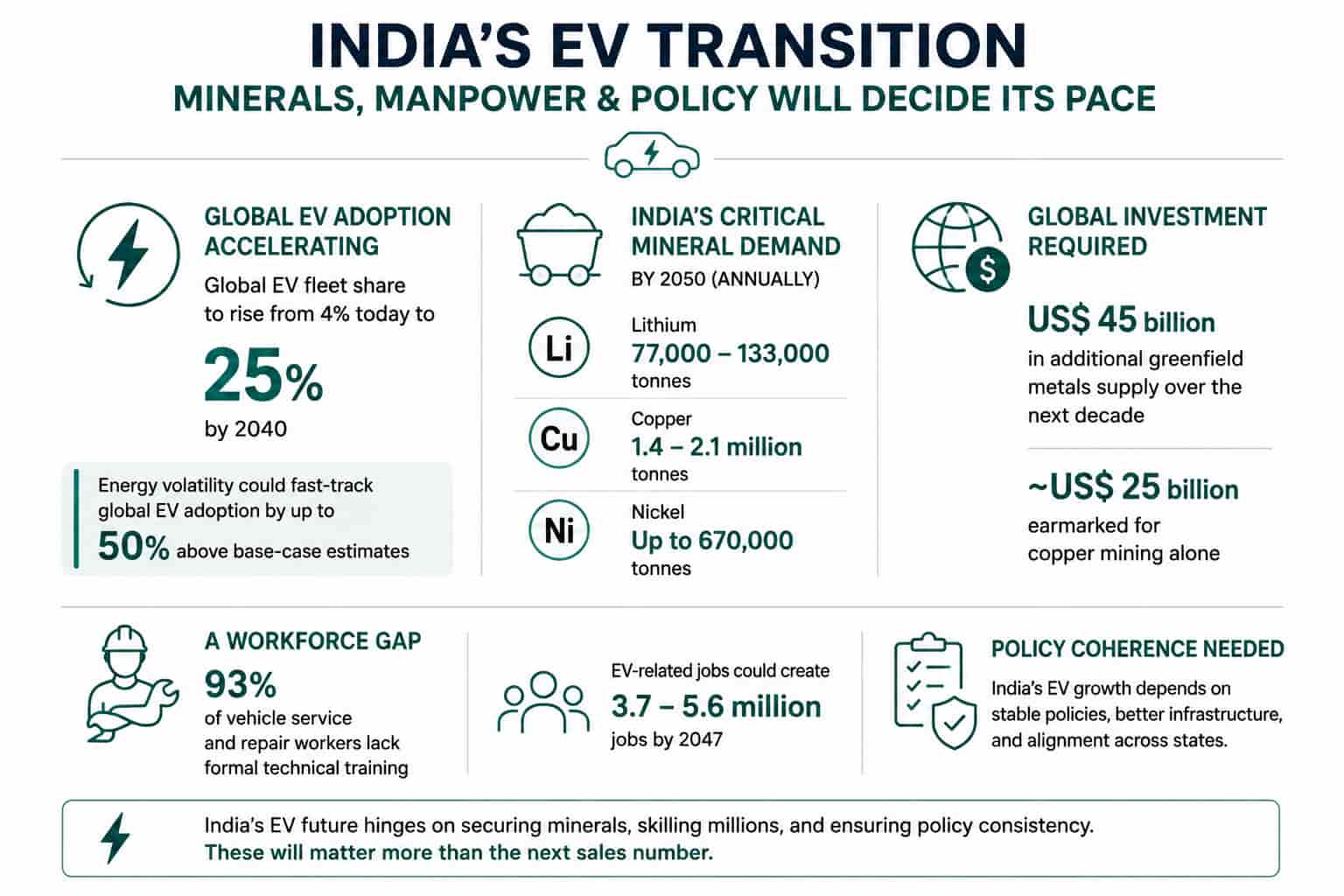
Global oil markets have had a volatile 2026, and that volatility is quietly rewriting the electric vehicle story worldwide. If fuel prices stay elevated and governments keep backing EV supply chains, global adoption could run as much as 50% above earlier base-case estimates, with the global EV fleet share climbing from 4% today to a quarter by 2040, according to a recent industry report on energy volatility and EV demand.
For a country whose crude import bill has long been a source of macroeconomic anxiety, this is more than an academic scenario.
But look past the headline sales numbers, and India’s electric transition is really being decided by three quieter contests: for minerals, for skilled hands, and for policy coherence across states. Each will matter more than the next festive-season sales figure.
The mineral squeeze nobody priced in
India’s mobility mix is unlike the West’s car-heavy model. Two-wheelers, autos, buses and trains dominate everyday movement far more than private cars do, and that changes the resource arithmetic considerably, according to researchers writing in a recent policy analysis of India’s critical mineral demand.
Two-wheelers and auto-rickshaws will electrify fastest, but it is passenger cars, expanding well beyond 2050, that will eventually dominate battery demand.
By 2050, India’s annual mineral appetite could touch 77,000–133,000 tonnes of lithium, 1.4–2.1 million tonnes of copper and up to 670,000 tonnes of nickel, the analysis notes — a copper requirement nearing three times recent global production benchmarks.
That is a startling number for a country better known for its coal reserves than its lithium ones, and it echoes concerns raised in Indoen Energy’s own earlier reporting on why critical minerals, not oil or coal, are India’s next energy security test.
“The first phase of this transition was about getting Indians onto electric two-wheelers. The next phase is about whether India can secure lithium, nickel and copper on terms it controls, rather than terms set by whoever gets there first,” said a policy adviser familiar with ongoing critical-minerals negotiations.
The scale of investment required is global, not just Indian. An additional US$ 45 billion in greenfield metals supply is needed worldwide over the next decade to support faster EV growth, with roughly US$ 25 billion of that earmarked for copper mining alone, much of it flowing into higher-risk jurisdictions rather than established, easier-to-permit regions, per the same industry projections.
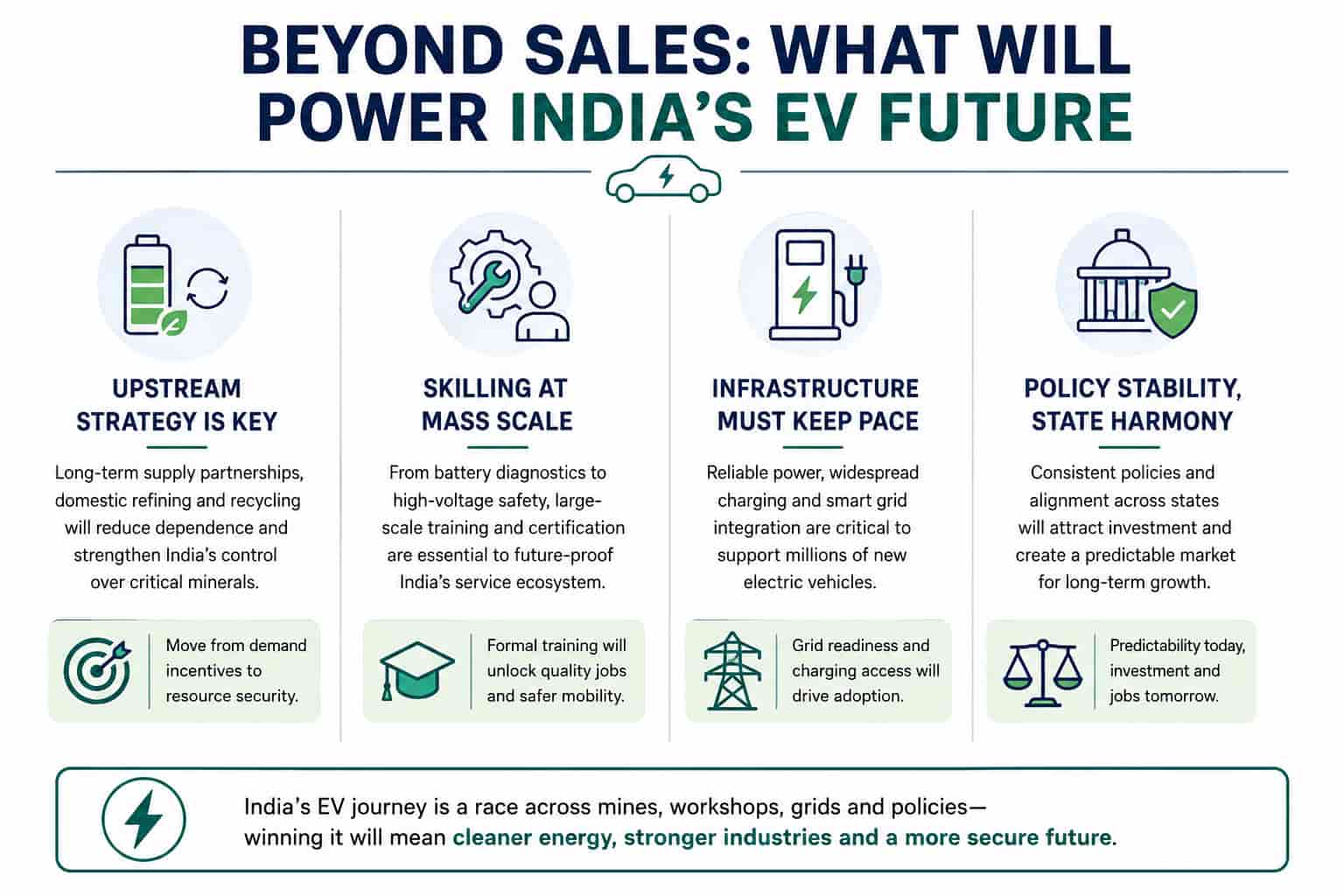
India’s own strategy will need to move upstream, through long-term supply partnerships, recycling and domestic refining, rather than relying solely on demand-side incentives.
 A workforce that hasn’t caught up
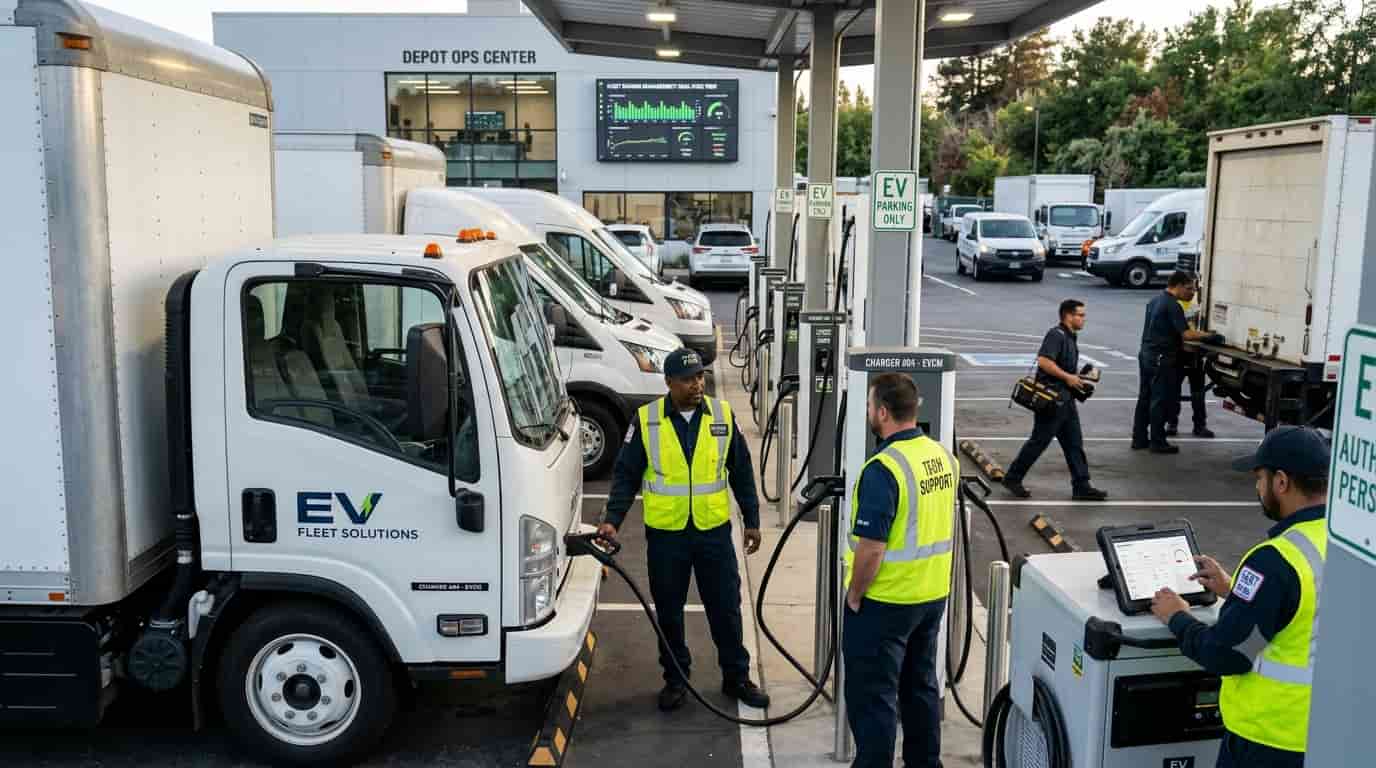
Even if the minerals arrive, EVs still need hands that can service them. India’s roadside repair economy, an estimated 4.29 million mechanics and garage owners, mostly informal, has grown up entirely on internal combustion engines. Grafting battery diagnostics and high-voltage safety onto that base is proving slower than manufacturing capacity itself, according to a recent commentary on India’s EV workforce gap. Close to 93 % of workers in vehicle service and repair reportedly lack formal technical training.
The upside is real. Employment in EV service, repair and adjacent roles could create between 3.7 million and 5.6 million jobs by 2047, the same report estimates, spanning battery swapping, fleet diagnostics and recycling. But without deliberate skilling, and greater participation by women, who remain largely absent from vehicle servicing despite some states now offering training incentives, India risks repeating a familiar pattern: building the hardware faster than it trains the people who must keep it running.
“We can import battery cells and power electronics for now, but we cannot import mechanics, technicians and diagnostic engineers fast enough to match demand,” said an executive at one of India’s leading electric-vehicle component makers.
Ethanol, hybrids and the case against a single bet
Not everyone agrees the answer is EVs alone. With nearly 300 million internal combustion vehicles still on Indian roads, advocates of ethanol blending argue India needs a multi-pathway strategy rather than a single-technology wager, according to a recent industry federation statement on why India needs both ethanol and EVs.
The E20 ethanol-blending programme has already helped India save an estimated ₹1.84 lakh crore (US$ 19.2 billion) in foreign exchange and cut crude oil imports by more than 30 million tonnes, the statement notes, while flex-fuel vehicles and second-generation ethanol from crop residue represent the next stage of that push.
This is less a rebuttal of the EV story than a hedge against putting all of India’s energy-security eggs in one battery pack.
Given how exposed India’s oil import bill remains to Middle East volatility, a portfolio approach, spanning ethanol, hybrids, CNG and hydrogen alongside EVs, has its own logic for the roughly 300 million vehicles that will keep running on liquid fuel for years yet.
 Grids, mandates and a policy patchwork
Meanwhile, the ground-level picture in Indian cities suggests ambition continues to outrun implementation. Only around 21% of the ₹10,900 crore (US$ 1.1 billion) PM E-DRIVE scheme had been utilised by July 2026, according to one review of the programme’s rollout in Tamil Nadu and beyond.
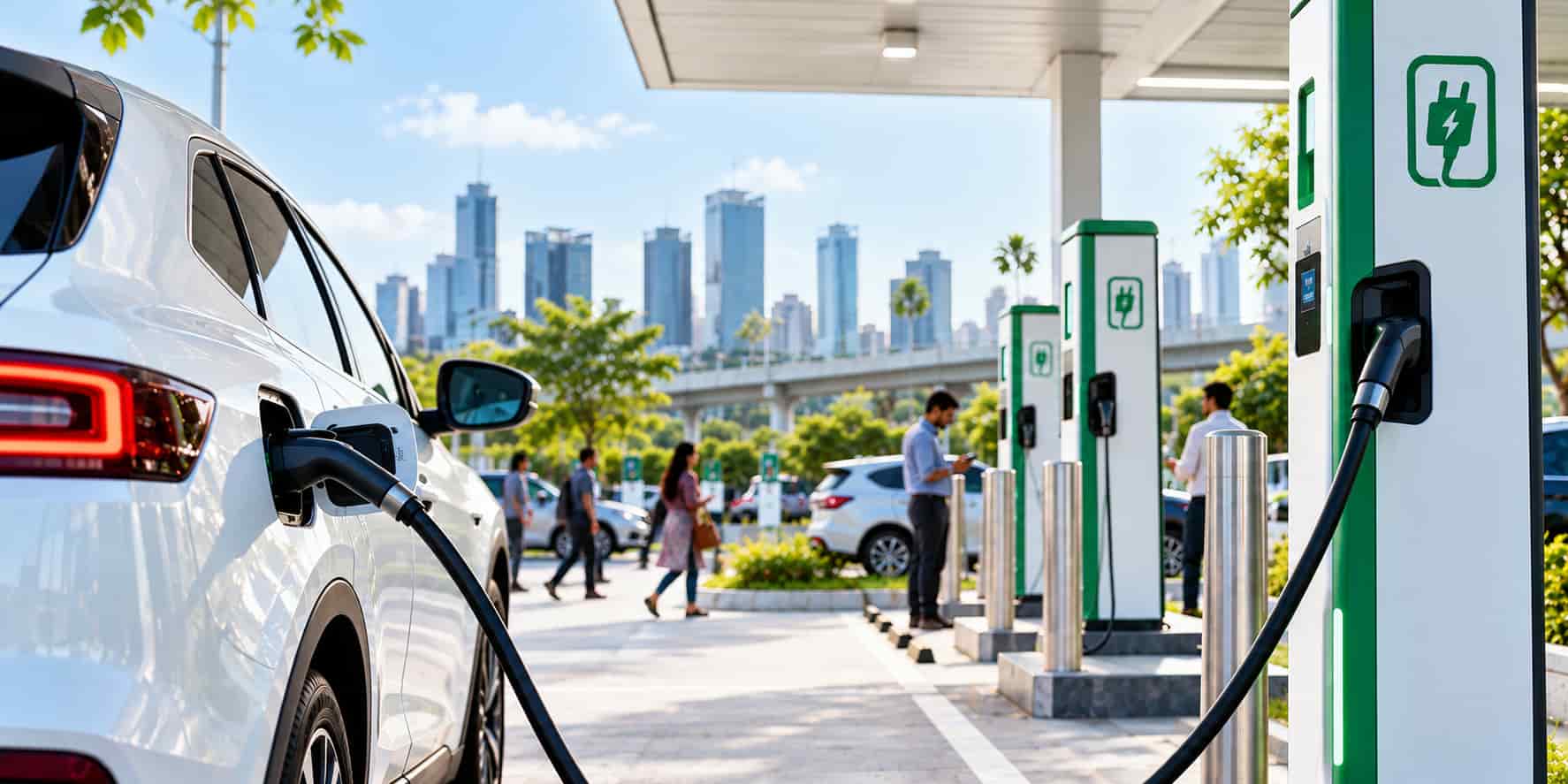
Electric trucks and ambulances remain almost entirely stuck at the pilot stage: just 55 electric trucks funded against a target of over 5,600, and none of a planned 3,800 electric ambulances on the road. Of the ₹2,000 crore (US$ 210 million) allocated for 72,300 charging points, functioning infrastructure still lags sanctioned numbers considerably.
States are responding in opposite directions. Delhi has moved from subsidy to mandate, requiring electric three-wheelers and light goods vehicles from January 2027 and electric two-wheelers from April 2028, an approach examined in earlier Indoen Energy coverage of the capital’s EV pivot and, separately, in commentary questioning whether a cleaner vehicle fleet alone can fix an unequal mobility system.
Karnataka, by contrast, has gone the other way on cars, introducing a lifetime road tax on electric four-wheelers expected to raise roughly ₹250 crore (US$ 26 million) in additional annual revenue, even as on-road prices rise by up to ₹1.6 lakh (US$1,670) in some segments, according to recent reporting on the state’s EV tax reversal.
Two-wheelers remain exempt in Karnataka, reflecting a pattern visible across several states: keep incentives where adoption is already won, and start taxing where it is not.
A statutory “Right to Charge,” overriding housing-society resistance to home charging points, and mandatory battery-health certification to fix a nearly opaque used-EV resale market are among the fixes now being urged on policymakers, alongside faster utilisation of already-sanctioned charging infrastructure.
The manufacturing base is quietly deepening
There is a more encouraging thread running beneath the noise.
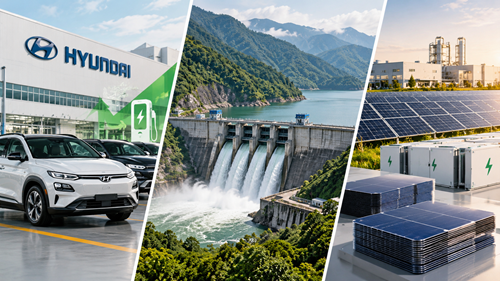
India’s power electronics sector, the inverters, converters and motor-control units inside every EV and every solar installation, is expanding rapidly as manufacturers build indigenous capability rather than simply assembling imported components, according to recent coverage of the sector’s growth.
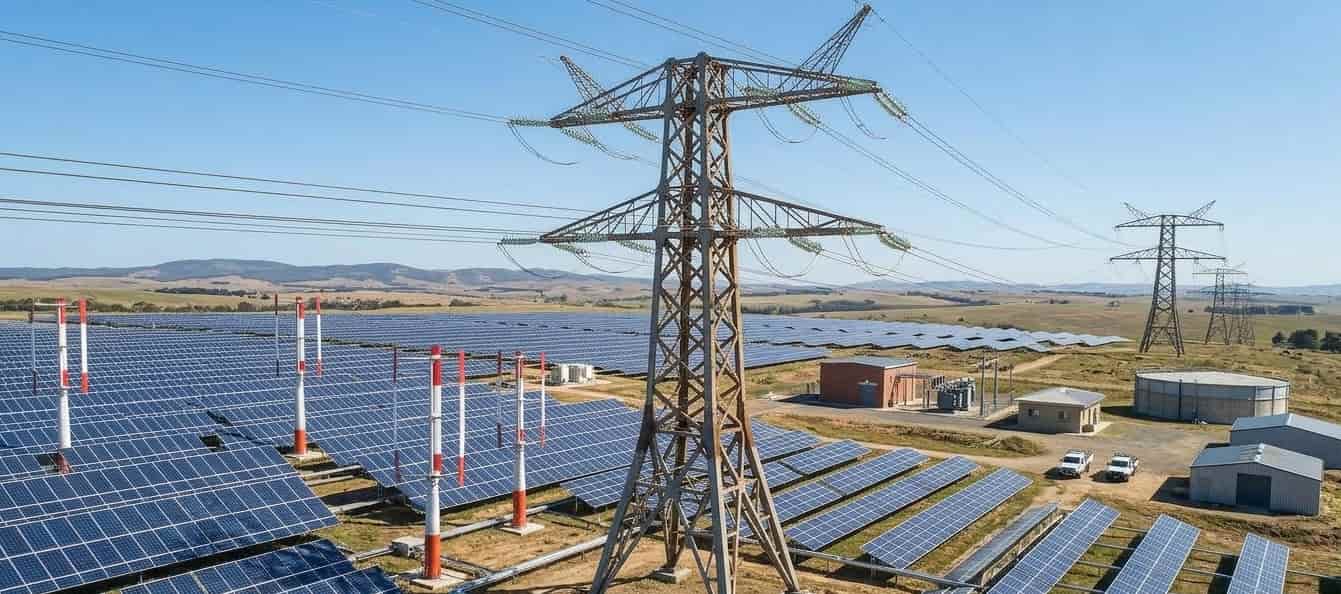
This overlaps directly with the renewable energy build-out, since the same components serve solar inverters and grid-storage systems alike, with research and manufacturing clusters deepening in Chennai, Coimbatore, Pune and Bengaluru.
This is arguably the least discussed but most durable part of India’s EV story, echoing Indoen’s earlier reporting on how India’s EV race is shifting from vehicle launches to battery manufacturing dominance. Genuine intellectual property and export potential lie here, distinct from vehicle assembly alone, and it is where India’s cost advantage over Western manufacturers is most credible.
The harder chapter begins now
Taken together, these threads point to a transition entering its second, tougher phase.
The first phase, in India as elsewhere, was about persuading buyers, through subsidies, showroom offers and falling battery prices. That phase is largely won for two-wheelers, where electrification is well past the early-adopter stage.
The second phase is structural: minerals, skills, grid readiness and policy consistency across 28 states rather than one national scheme.
If the sharper global adoption scenario now being discussed plays out, and renewed oil-price volatility pushes EV demand meaningfully above current projections, India’s mineral and workforce gaps will be exposed faster than planned.
Conversely, if India moves early on domestic mineral processing, battery recycling and vocational training, treating critical minerals with the same urgency it now applies to semiconductors, a vulnerability could yet become an export advantage over the coming decade.
Either way, the next chapter of India’s electric transition will be written less in showrooms and more in mines, training institutes and state transport departments, an unglamorous set of battlegrounds that will decide whether the US$ 191 billion market projected for India by 2034 becomes a genuine industrial asset, or remains, in large part, an assembly operation dependent on imported cells and imported technicians.
Follow us on : X | LinkedIn | Facebook | Bluesky