
Chinese renewable energy technology firm Sungrow has signed an agreement with UAE clean-energy developer Masdar to supply 7.5GWh of battery energy storage systems and 2.6GW of photovoltaic inverter capacity for Abu Dhabi’s gigascale round-the-clock renewable energy project.
Developed jointly by Masdar and the Emirates Water and Electricity Company (EWEC), the project combines 5.2GW of solar photovoltaic capacity with an overall 19GWh battery energy storage system designed to provide continuous renewable electricity supply at utility scale.
The project is expected to begin operations in 2027 and is being positioned as one of the world’s largest integrated solar-plus-storage developments.
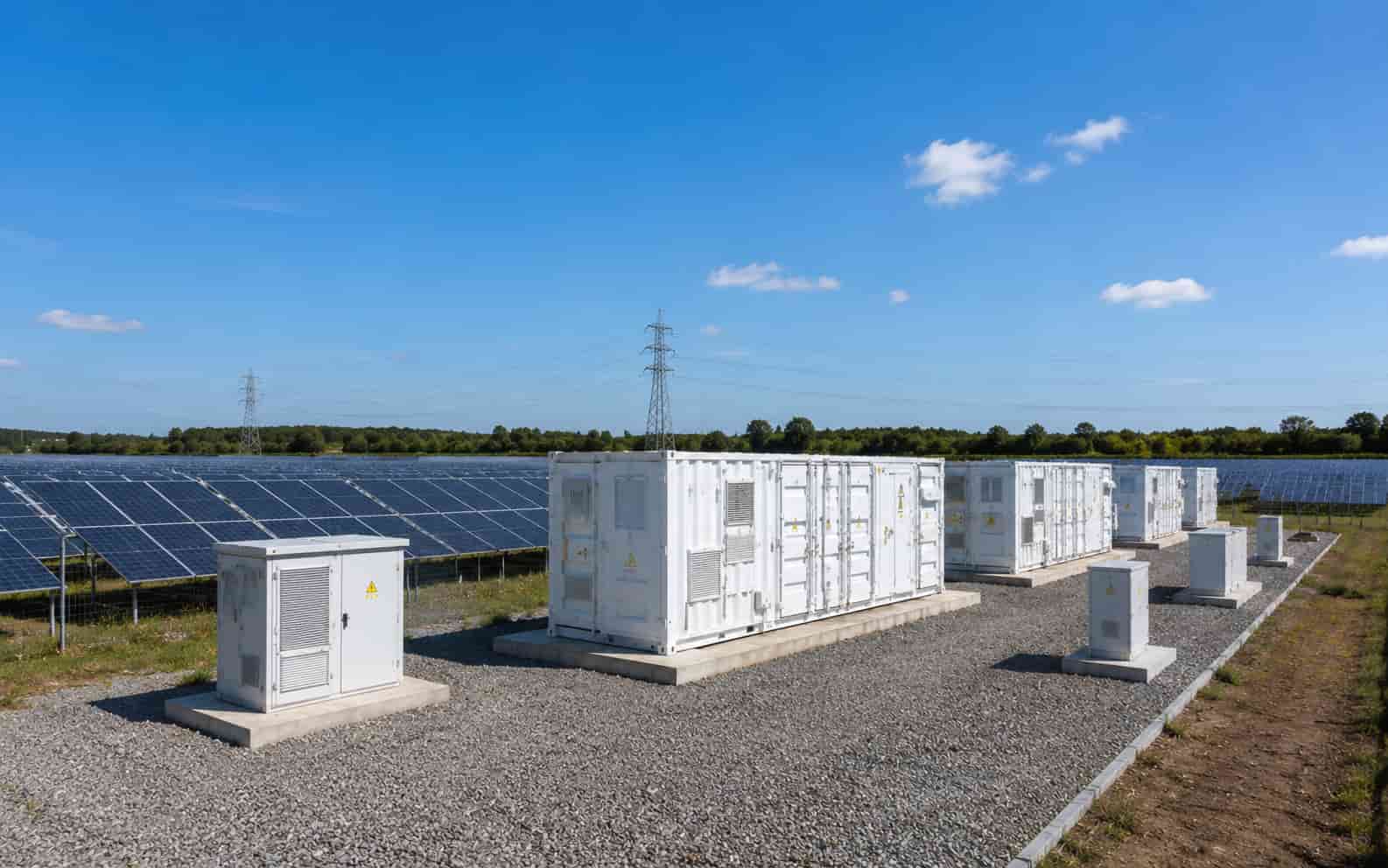
Under the agreement, Sungrow will deploy its PowerTitan 3.0 liquid-cooled energy storage systems alongside advanced inverter infrastructure to support uninterrupted power delivery and grid balancing.
The project is expected to use more than 1,000 PowerTitan 3.0 storage units operating on an eight-hour charging and sixteen-hour discharging cycle aimed at enabling stable round-the-clock renewable supply.
Sungrow said the system incorporates liquid-cooled Silicon Carbide Power Conversion Systems capable of achieving peak efficiency levels of 99.3%, while overall round-trip efficiency is estimated at around 90%.
The systems are also designed to operate in temperatures of up to 55°C without performance derating, a critical requirement for desert operating conditions in the Gulf region.
Strategically, the project reflects how energy-exporting Gulf economies are accelerating investments in large-scale renewable infrastructure capable of supporting industrial diversification, digital infrastructure growth and long-term energy transition goals.
Unlike earlier renewable projects focused primarily on capacity additions, the Abu Dhabi project is designed around dispatchable clean power — an increasingly important requirement as electricity systems move toward higher renewable penetration.
The project is intended to support continuous electricity demand from industries, businesses, residential communities and emerging data-centre ecosystems while also improving grid flexibility and reliability.
The development also highlights China’s growing influence across global battery-storage and renewable supply chains. Chinese companies including Sungrow, CATL, JinkoSolar and PowerChina are playing major roles in the broader RTC project ecosystem, reinforcing Beijing’s dominance in utility-scale clean-energy manufacturing and deployment.
According to industry reports, the Abu Dhabi project may ultimately become a global benchmark for large-scale dispatchable renewable systems capable of replacing portions of conventional baseload generation.
The project is also expected to deliver renewable electricity at globally competitive tariffs while addressing intermittency challenges associated with solar power generation.