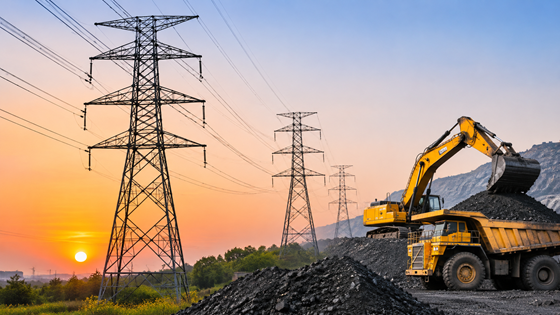
India plans ₹9.84 lakh crore transmission investment to support 969 GW capacity by 2036
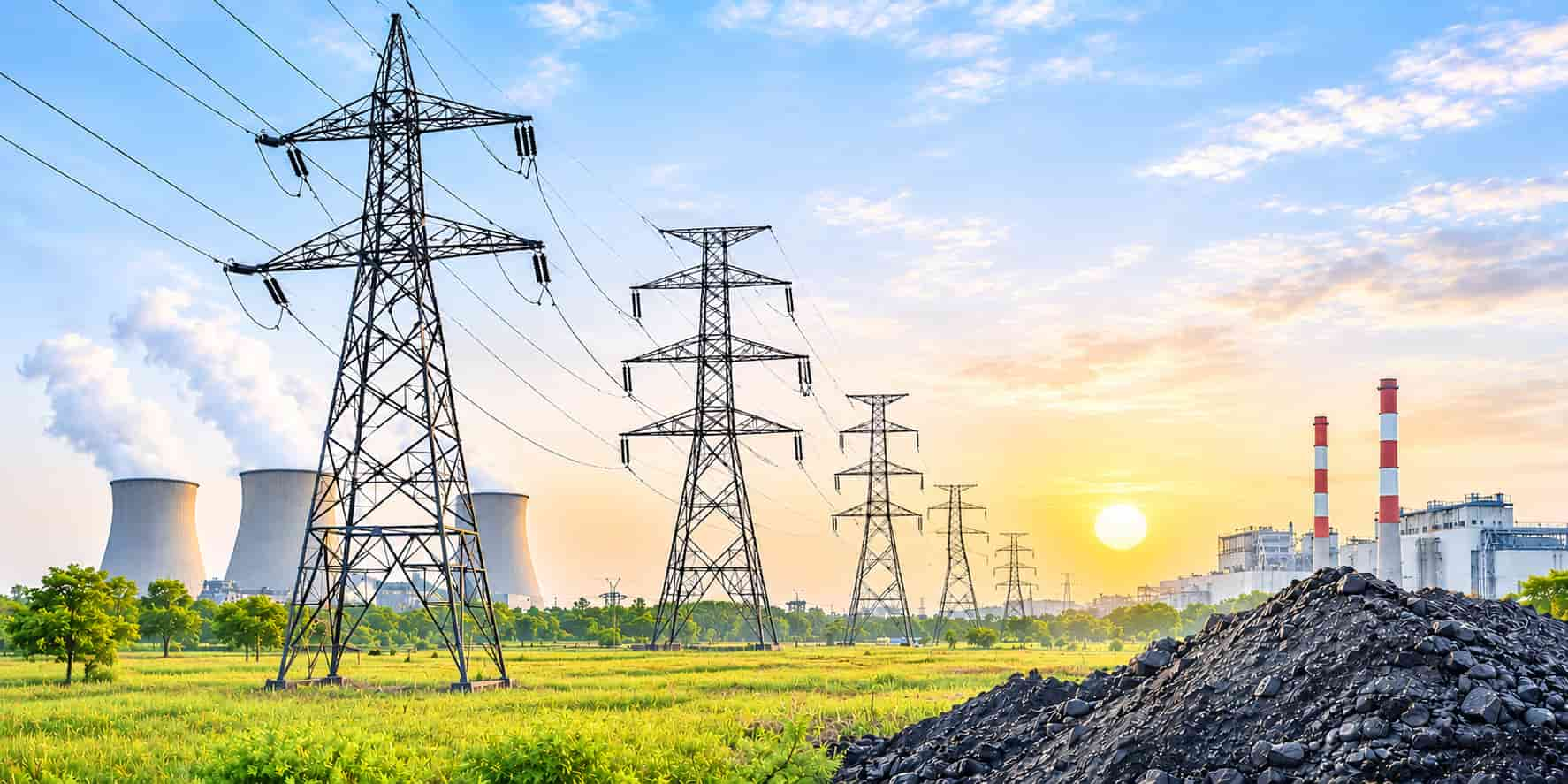
A Union Ministry revised estimate cited by Bajel Projects puts transmission investment for 2027-36 at ₹9.84 lakh crore ($104.8 billion). The money is meant to connect 969 GW of non-fossil and hydro potential, comprising 900 GW of non-fossil capacity and 69 GW of Brahmaputra-basin hydro. It is an industry-wide figure, not a Bajel order target. It also overlaps with the earlier plans of ₹4.25 lakh crore ($45.3 billion) for 2022-27 and ₹4.90 lakh crore ($52.2 billion) for 2027-32, so the numbers should not be added together.
The scale follows from the system the grid must serve. Installed capacity is projected to rise from 520 GW in January 2026 to 1,299 GW by FY35-36, including 98 GW of pumped storage and 80 GW of battery storage. Over the same period, peak demand is expected to rise from 245 GW to 459 GW. Solar’s share of the mix is projected to climb from 27% to 45%, while coal’s share falls from 44% to 28%. A system that leans this heavily on solar and storage must move power over much greater distances, and that is the job transmission spending is meant to do.
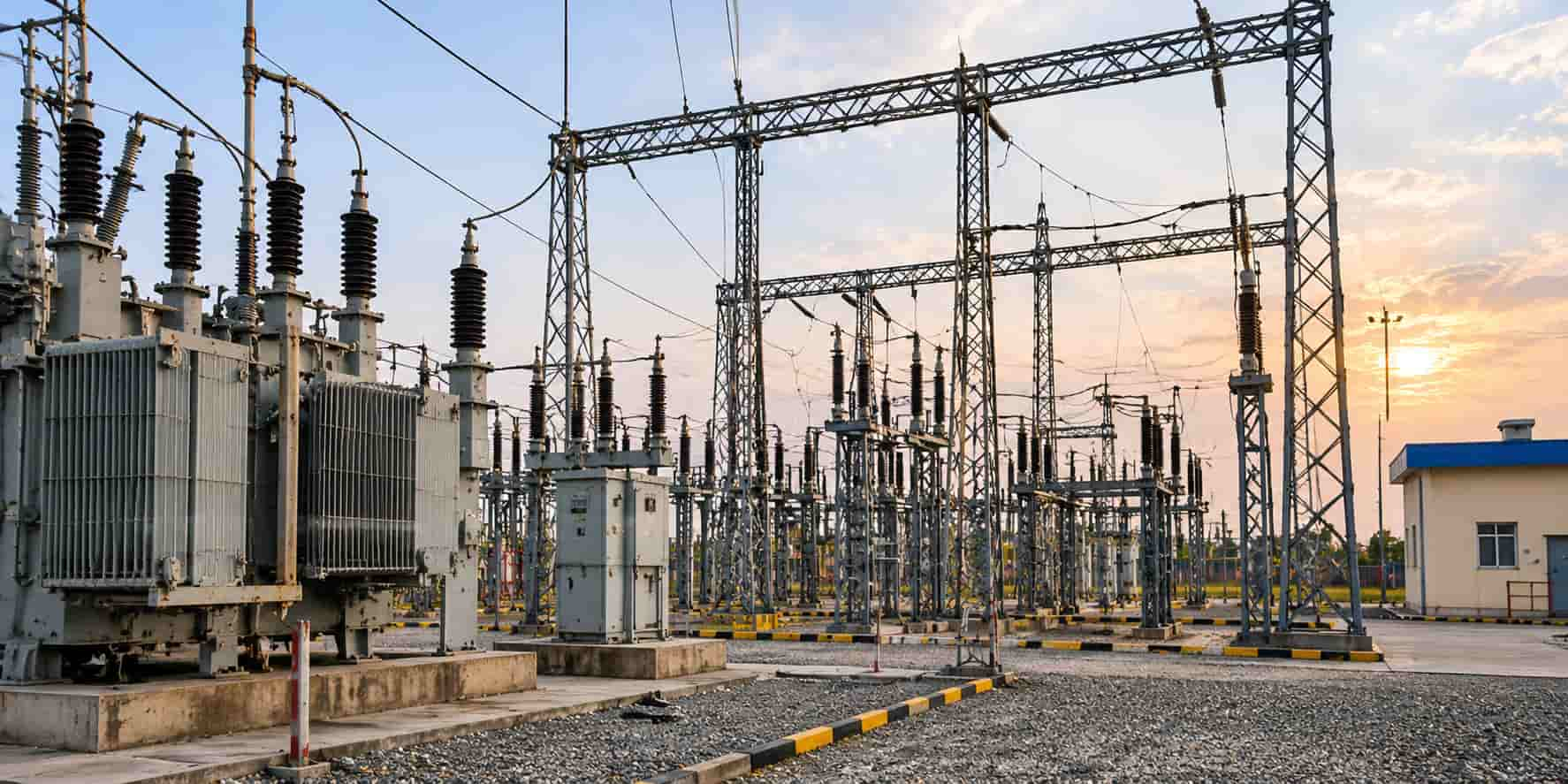
The physical plan shows where the money is going. Line length is projected to grow from 456,716 circuit km in FY22 to 648,190 by FY32. Line additions slow from 114,687 circuit km in FY22–27 to 76,787 in FY27–32, even though planned spending rises. Substation capacity, meanwhile, is forecast to grow from 1.07 million MVA to 2.35 million MVA over FY22-32. Taken together, this suggests that spending is shifting from stringing new lines to adding substation and system capacity, though the source does not break down the split.
The figures also frame Bajel’s own strategy. Under its RAASTA 2030 roadmap, the company says it is entering a “Prepare for Scale” phase, with selective international EPC work and targets of double-digit revenue growth and return on capital above 15%. The ministry estimate is a planning figure, not committed capital. Whether it converts into awarded projects will depend on the pace of tendering and on how soon new generation and storage need evacuation.
Coal India plans $1bn Mahanadi Coalfields IPO at up to $10bn valuation
State-owned Coal India has started meeting with investors about an IPO for its subsidiary, Mahanadi Coalfields (MCL). The IPO could raise up to $1 billion and may launch in late November or early December, according to Bloomberg, as reported by BW Businessworld. Sources say MCL could be valued at up to $10 billion. The final size, valuation, and timing are still under discussion, and both companies have declined to comment.
The deal structure matters as much as the amount being raised. This IPO is a full offer for sale, with no new shares issued. The draft prospectus filed with SEBI shows that Coal India, which owns all of MCL, plans to sell up to 10%. This matches the goal of raising about $1 billion at a $10 billion valuation. Since it is an offer for sale, the money will go to Coal India, not MCL. This means the government can set a market price for the asset without giving up control. Another subsidiary, South Eastern Coalfields, has also filed for an IPO, hinting at a wider plan to list more parts of the group.
The MCL is a major asset. In FY26, it was India’s largest coal producer, with 218.31 million tonnes, making up about 22.4% of the country’s non-coking coal output. As of June 30, it operated 17 mines—14 open-cast and three underground. The IPO comes during a busy year for the market. Indian companies have raised about $18.48 billion through IPOs in 2026 so far, compared to a record $22.36 billion in 2025.
The same system projections show coal’s share of the power mix falling from 44% to 28% by FY35-36, even as the absolute volumes the sector must supply remain large. Investors pricing MCL at up to $10 billion are, in effect, betting on that volume and on the cash flows of a producer at the centre of the system for the next decade, whatever happens to its share.