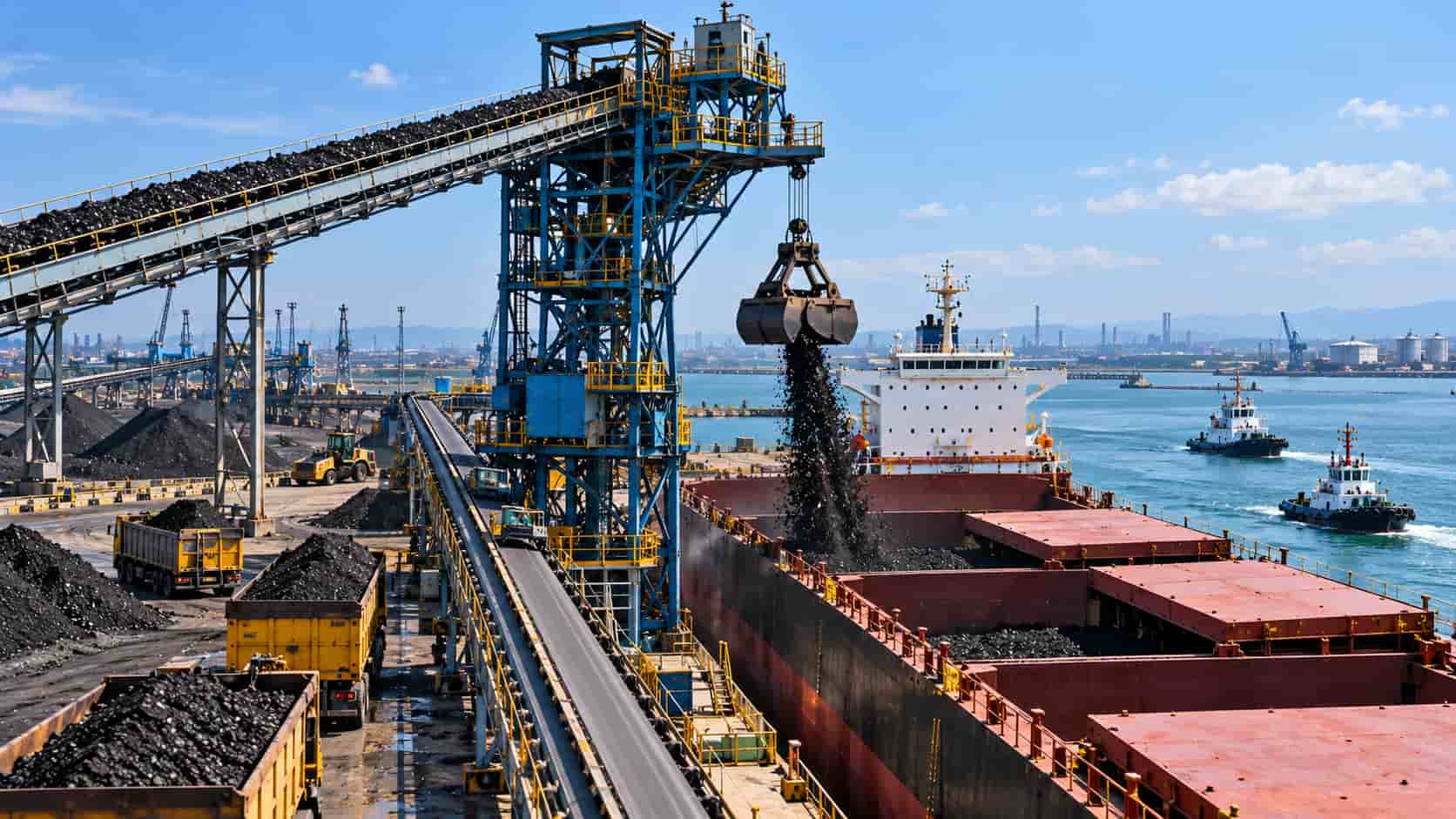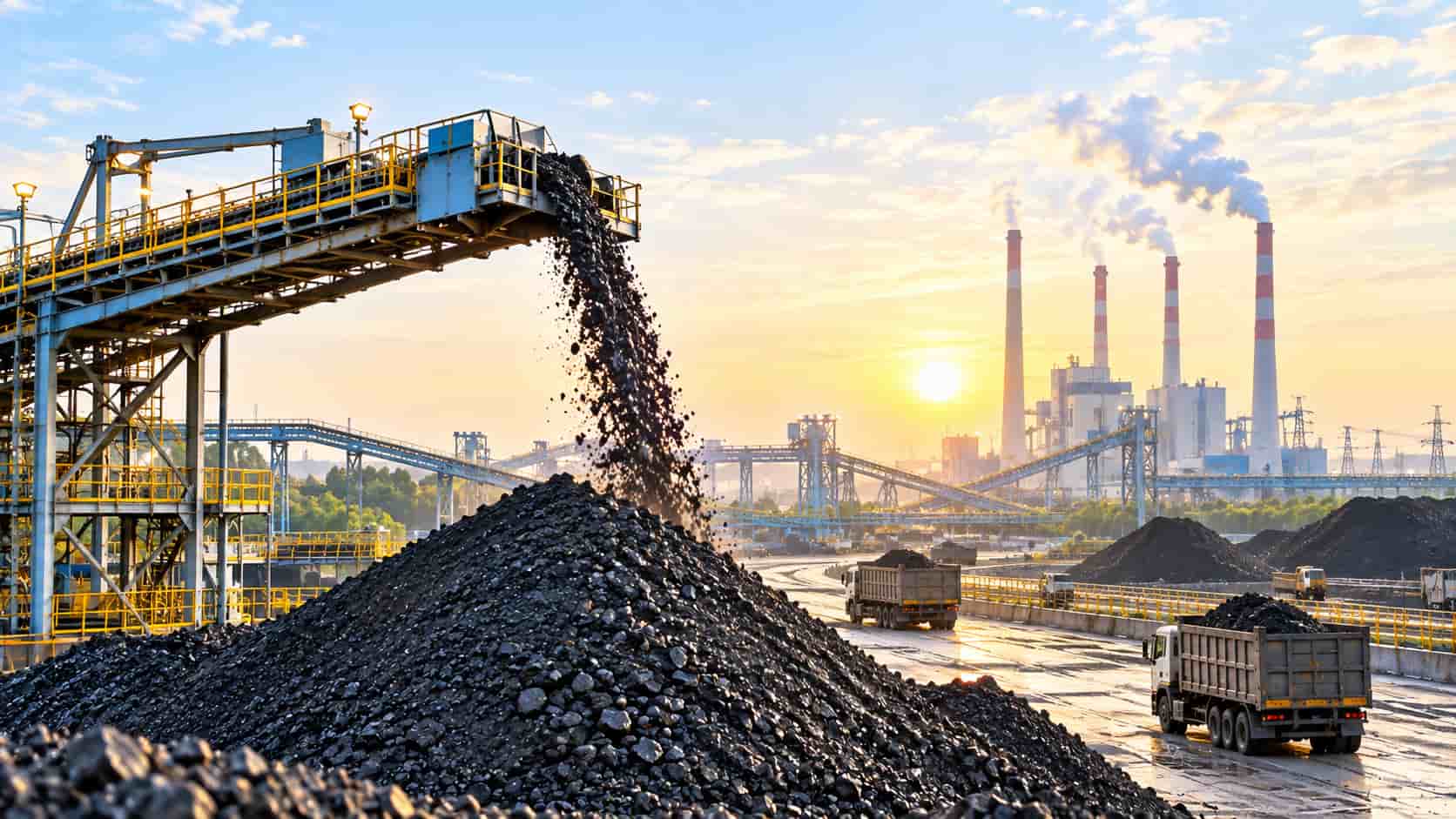


With global coal prices on an upward spiral making imports into Indian market quite expensive, Indian companies are aiming to purchase overseas coal assets.
Recent media reports suggest India’s one of the biggest coal importers, Adani Enterprises, is shifting its focus to Indonesia to acquire assets there. Adani’s move could be the result of a long-drawn battle to arrange finance for its Carmichael mine in Australia so far resulting in nothing.
However, the increasing coal prices are prompting several other Indian miners as well to revive their old plans as they think the time is an opportune one now.
Industry insiders who are in the know of developments said that companies such as GVK, Reliance and Lanco could be revitalising their strategies. They could explore opportunities in countries such as Australia, South Africa, Mozambique, Zimbabwe, and Indonesia.
A coal analyst said that the rise in prices has granted a fresh lease of life for several Indian companies which were otherwise considering foreign acquisitions as dead investments and were looking at means to exit amicably.
Decline in fuel prices and firm domestic coal output earlier had seen firms suspend their plans for overseas asset acquisitions. Most of the about US$15-20 billion investments of Indian miners abroad were so far making poor returns, or no returns at all.
Adani Group’s Bunyu mine in East Kalimantan began its commercial operation in 2008 and is currently mining about 2 million tonne of coal annually against its production capacity of 10 million tonne. However, the project was reportedly a lose making one until recently.
Increasing debt of about US$6 billion earlier prompted Lanco Infratech’s Griffin Coal Mining asset in Western Australia to invite outside investors to purchase its stakes there.
With increase in demand in Asian countries the situation now will improve, believe industry insiders. Indian companies by purchasing overseas assets can ensure seamless supply of coal at competitive prices through long-term fuel supply agreements. Buying foreign assets is perhaps an ideal way to source coal at stable prices in the longer term as coal prices in the international marketplace is unlikely to cool down any time soon.
Reports say power grade coal has become costlier by about US$5 per tonne averagely for Indian buyers in overseas marketplaces in last three to four months.
For an entrepreneur such as Adani it may be a case of expanding his portfolio in coal sales on a global footing, for other it could be more about securing a long-term quality imported coal linkage and enhancing their fuel security means.
Incidentally Coal India has also hiked its prices for its G11 (coal of gross calorific value, or GCV between 4,000Kcal/kg and 4,300Kcal/kg) to G13 (GCV between 3,400Kcal/kg and 3,700Kcal/kg) grades by about 10%.
This coupled with the increase in prices overseas are hurting domestic coal market sentiments. Given this the time is apt for companies which run their business on imported coal to pull the plug on aspects which dent its financials by investing in coal assets overseas.
India is the world’s second largest coal importer after China. During last fiscal the country reportedly purchased around 200 mt of imported coal. A primary reason for such large volume of imports has been the inability of CIL to meet international quality parameters.
(The author is a Delhi-based journalist. He can be reached at prasad.n@indoen.com)