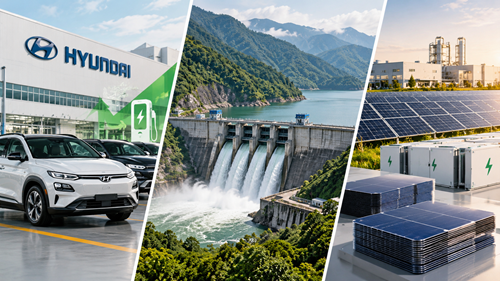

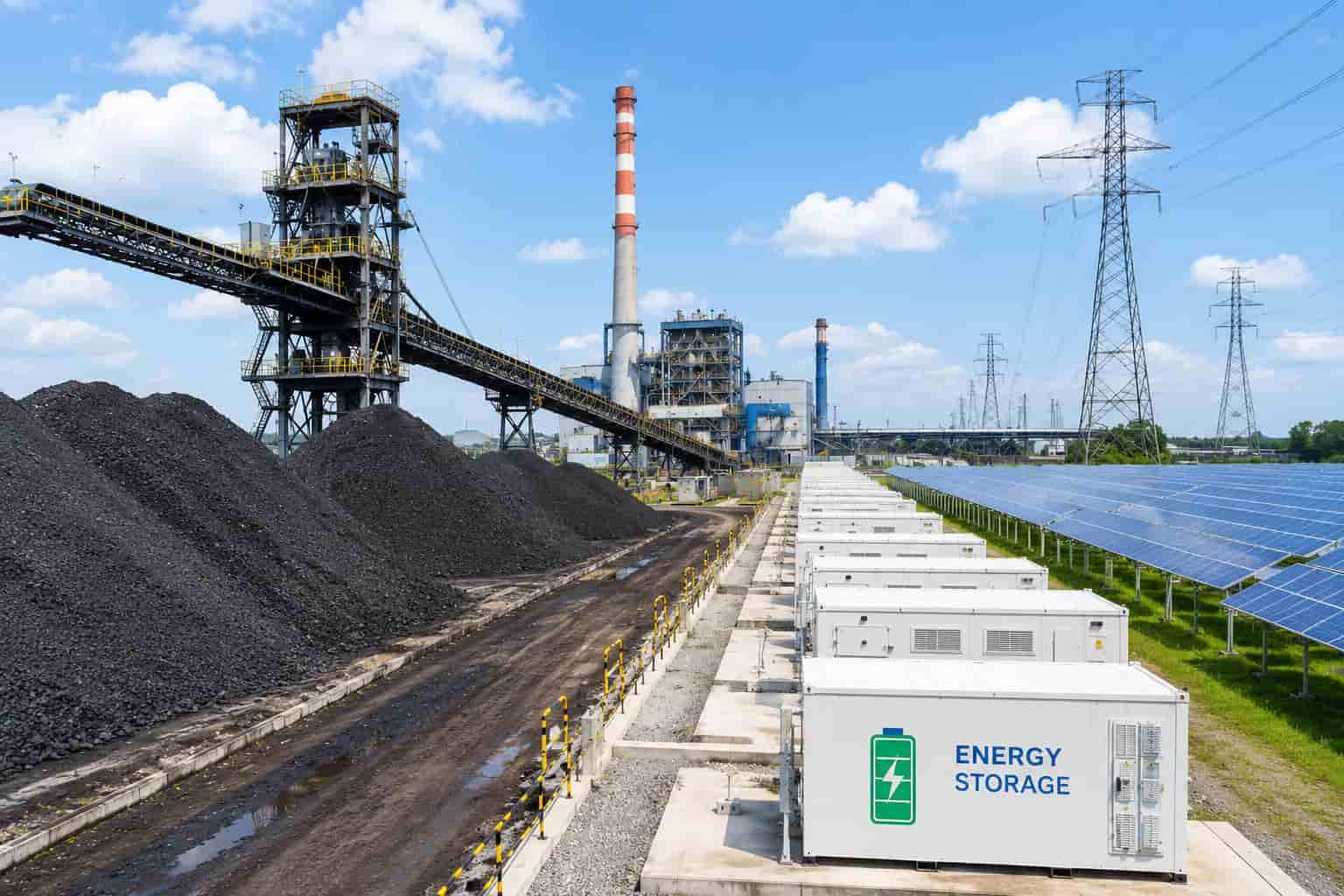
As batteries move from the margins to the centre of India’s energy transition, coal, renewables, EVs and Chinese supply chains are becoming deeply interconnected.
India’s energy transition is entering a new phase — one where batteries, not merely solar panels or wind turbines, are beginning to reshape the economics of coal, the structure of electricity markets and even the country’s geopolitical dependencies.
For years, the dominant energy debate centred on whether renewable energy could replace coal. But recent developments across India’s power sector suggest a more complicated reality is emerging. Coal is not disappearing. Instead, it is being redesigned to coexist with renewable energy through storage systems, flexible generation models and massive infrastructure investments.
That shift is becoming visible simultaneously across state utilities, mining giants, electric vehicle markets and battery supply chains.
At the centre of this transition lies an increasingly important question: who controls storage infrastructure in the world’s fastest-growing major electricity market?
Coal’s role is quietly changing
Coal India recently outlined plans to invest nearly ₹1 trillion (US$10.43 billion) over the next five years as it attempts to diversify beyond traditional mining operations and reposition itself within India’s changing energy economy. The investment pipeline reportedly includes coal gasification, renewable energy, logistics, critical minerals and energy infrastructure.
The timing is significant.
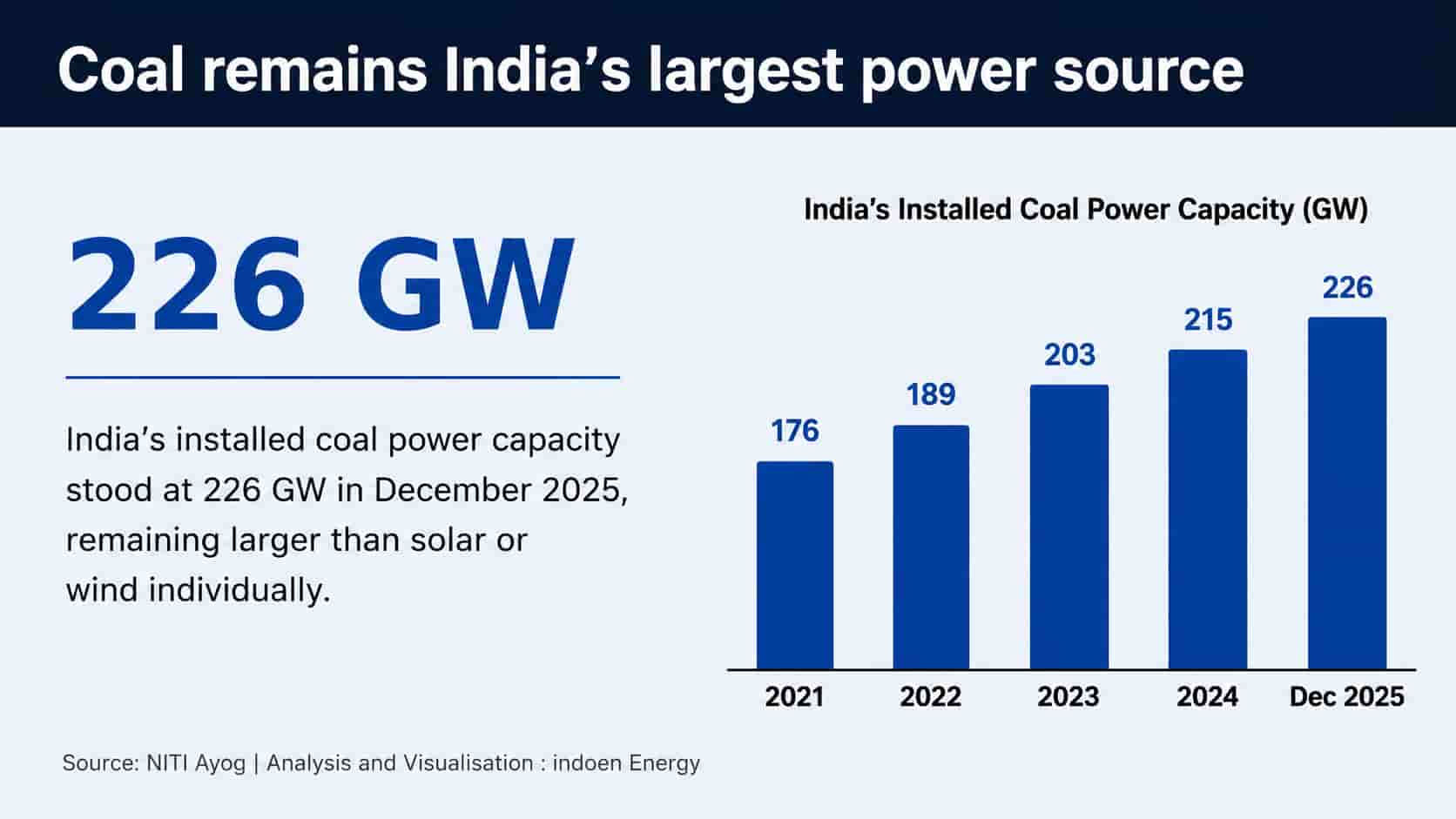
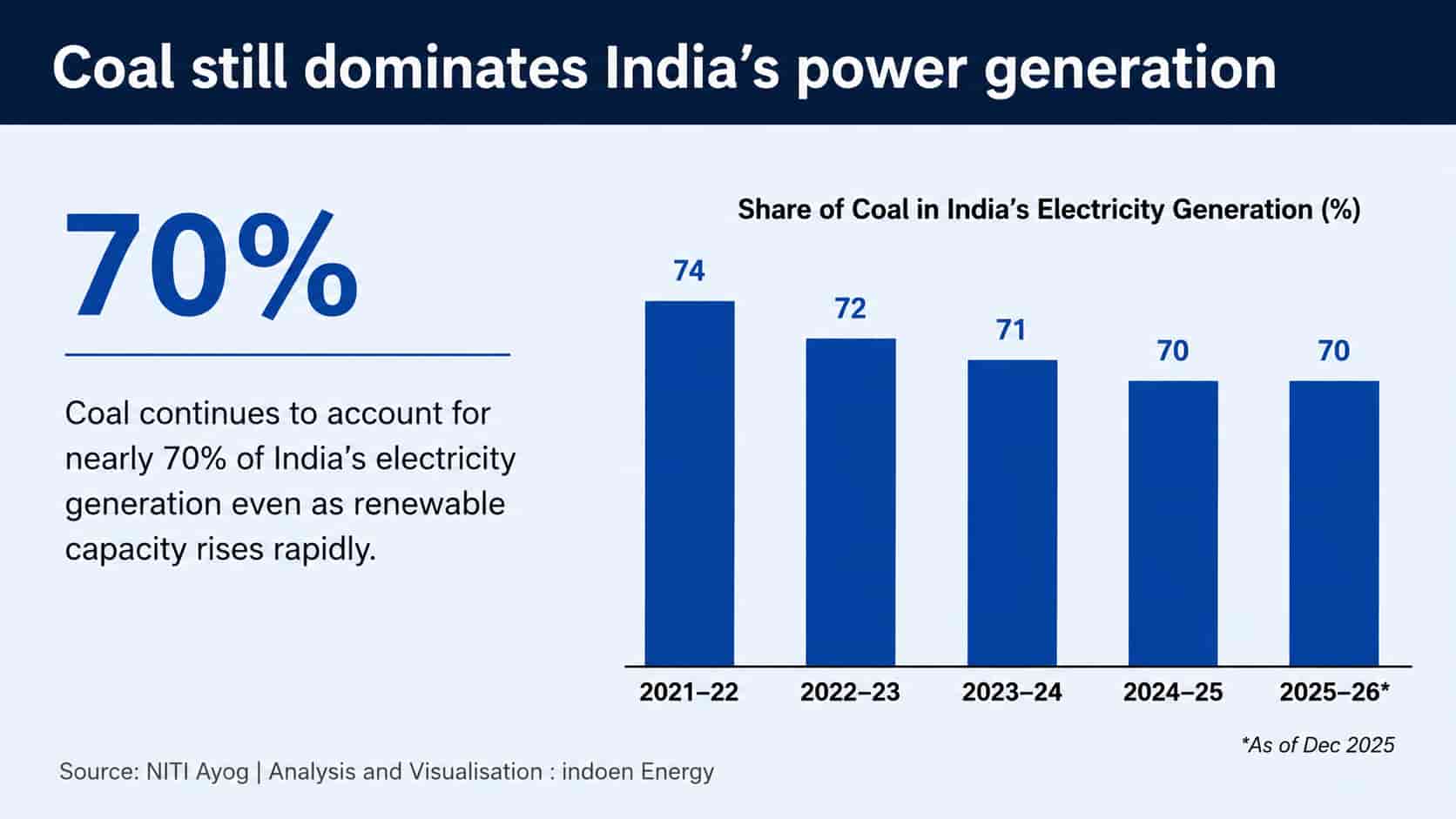
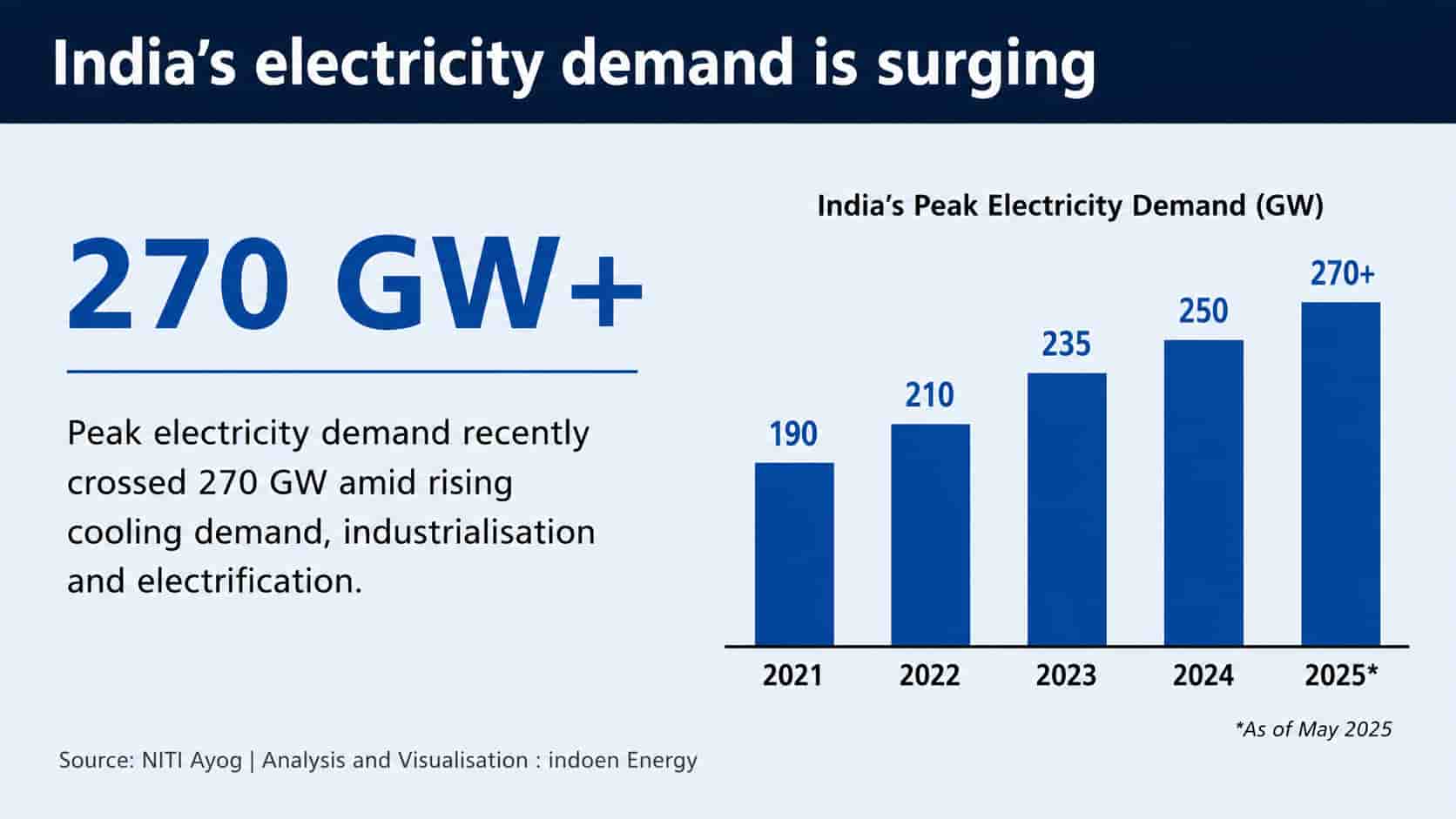
India’s electricity demand continues to surge amid industrialisation, urbanisation, rising temperatures and growing electrification. Peak power demand crossed 270 GW in recent days, while coal still accounts for nearly 70% of electricity generation.
Yet the role of coal itself is beginning to change.
Instead of functioning solely as a constant baseload fuel, thermal power is increasingly being repositioned as a balancing mechanism for intermittent renewable generation. That subtle shift could eventually redefine the economics of India’s coal sector.
The transformation is already visible in how utilities are evaluating future investments. Increasingly, the emphasis is not only on megawatts generated, but also on flexibility, ramping capability and integration with storage infrastructure.
In effect, India may be entering an era where the value of coal plants depends less on how much electricity they produce and more on how efficiently they can support renewable-heavy grids.
Rajasthan offers a glimpse of the future grid
Rajasthan is emerging as one of the most important testing grounds for this transition.
A recent study suggested that integrating eight-hour solar-plus-storage systems in the state could significantly reduce coal dependence while saving around ₹5,500 crore (US$57.36) annually through improved dispatch efficiency and lower fuel costs.
At the same time, Rajasthan’s electricity regulator recently blocked a proposed 3.2 GW coal power project, reflecting growing doubts over whether new baseload coal investments remain financially viable in regions where solar and storage costs continue to fall.
This does not necessarily mean coal demand will collapse.
Instead, it points toward a more nuanced reality where coal’s role evolves from dominant baseload provider to strategic backup and balancing infrastructure.
That distinction matters because India’s power demand is still expected to rise sharply over the next decade. Heavy industries, data centres, air-conditioning demand and electric mobility are likely to keep electricity consumption growing even if renewable penetration increases rapidly.
For policymakers, the challenge is no longer simply adding generation capacity. It is about managing variability, reliability and peak demand efficiently.
Batteries are becoming core energy infrastructure
One of the most striking developments is how rapidly battery storage is moving into the mainstream of India’s energy strategy.
Only a few years ago, batteries were largely discussed as experimental green technologies. Today, they are increasingly being treated as essential infrastructure.
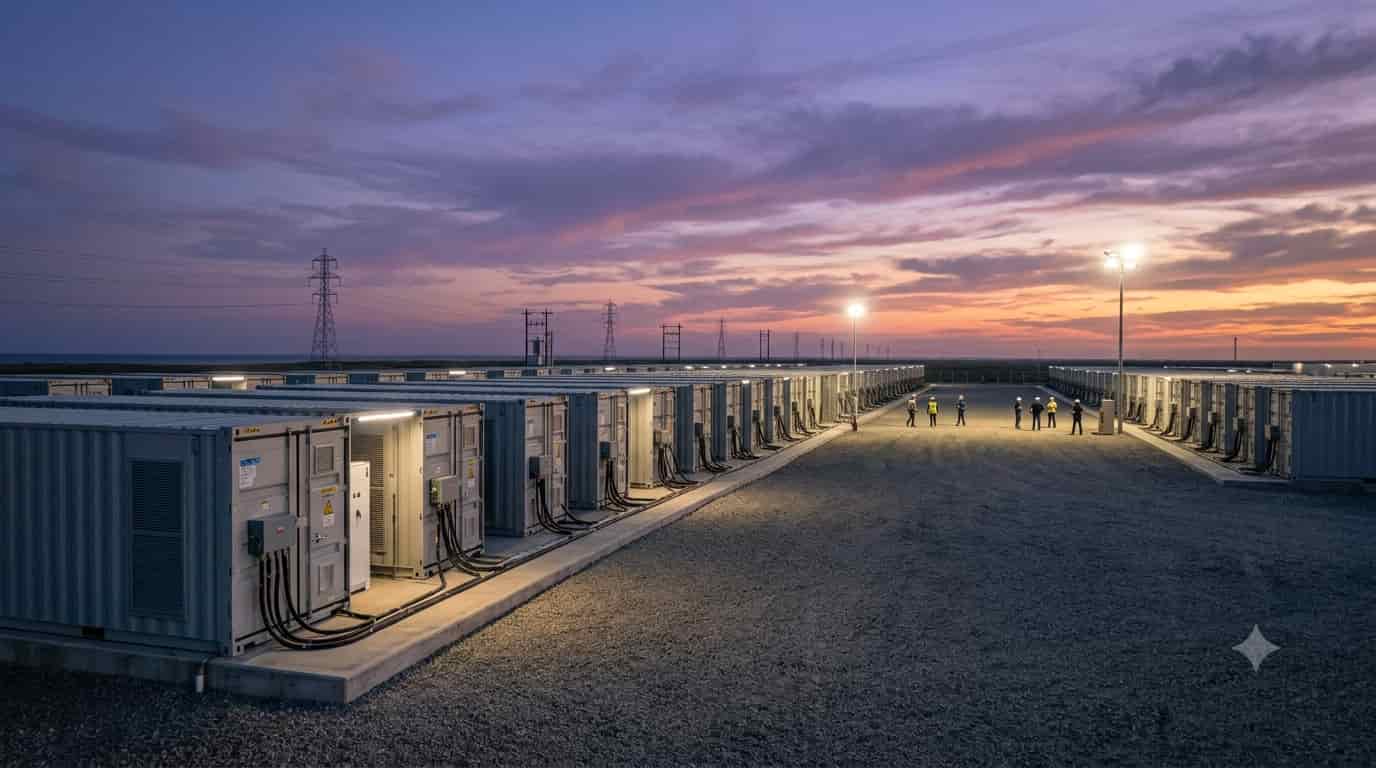
Earlier this year, Coal India itself emerged as a winner in a major standalone battery energy storage system auction in Odisha, securing 80 MW/320 MWh of storage projects.
That development alone highlights how dramatically the energy landscape is shifting.
A recent media analysis also noted that companies including Reliance, Adani, JSW and Waaree are preparing major investments in grid-scale storage infrastructure as falling battery prices and policy support improve commercial viability.
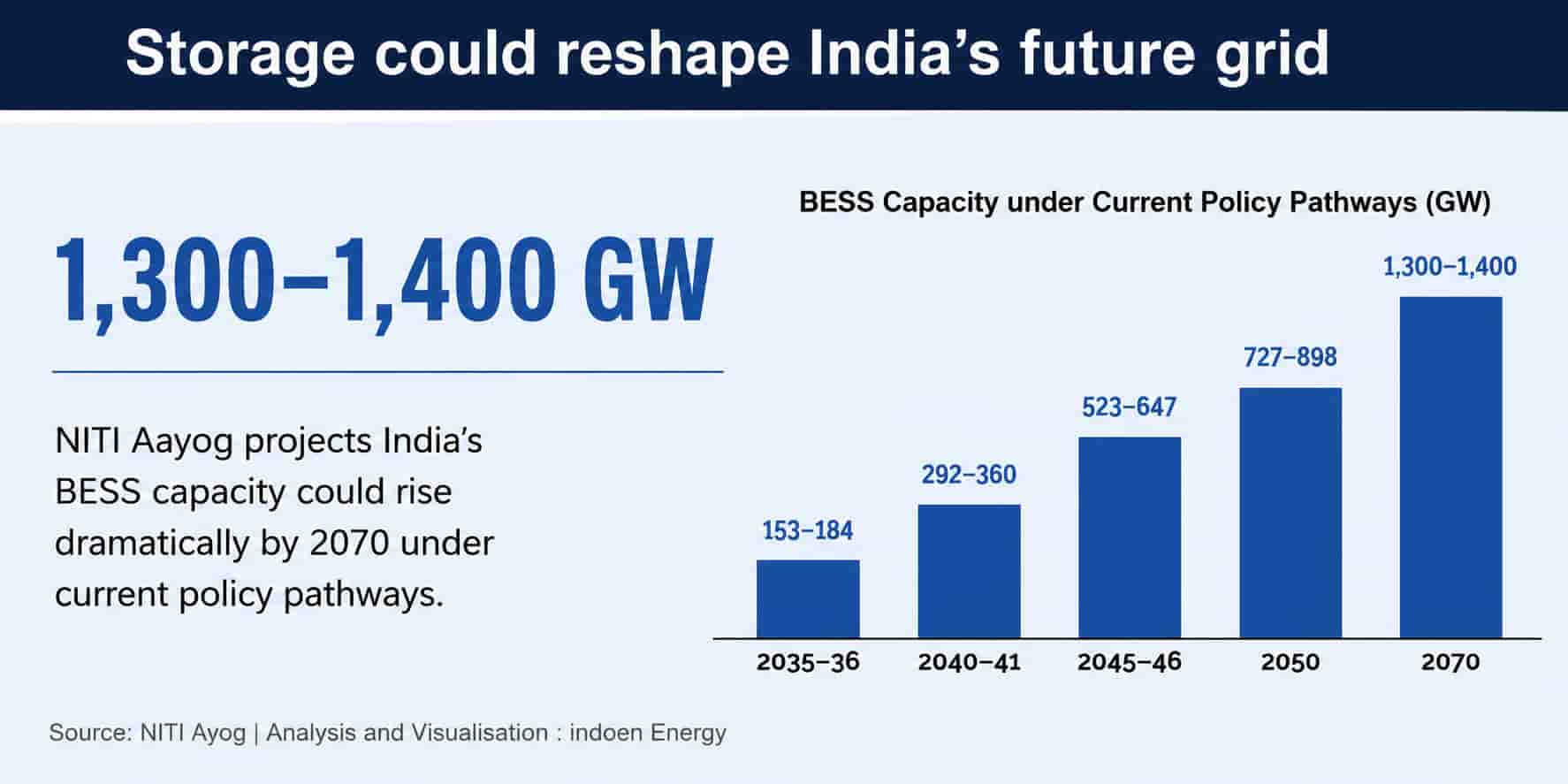
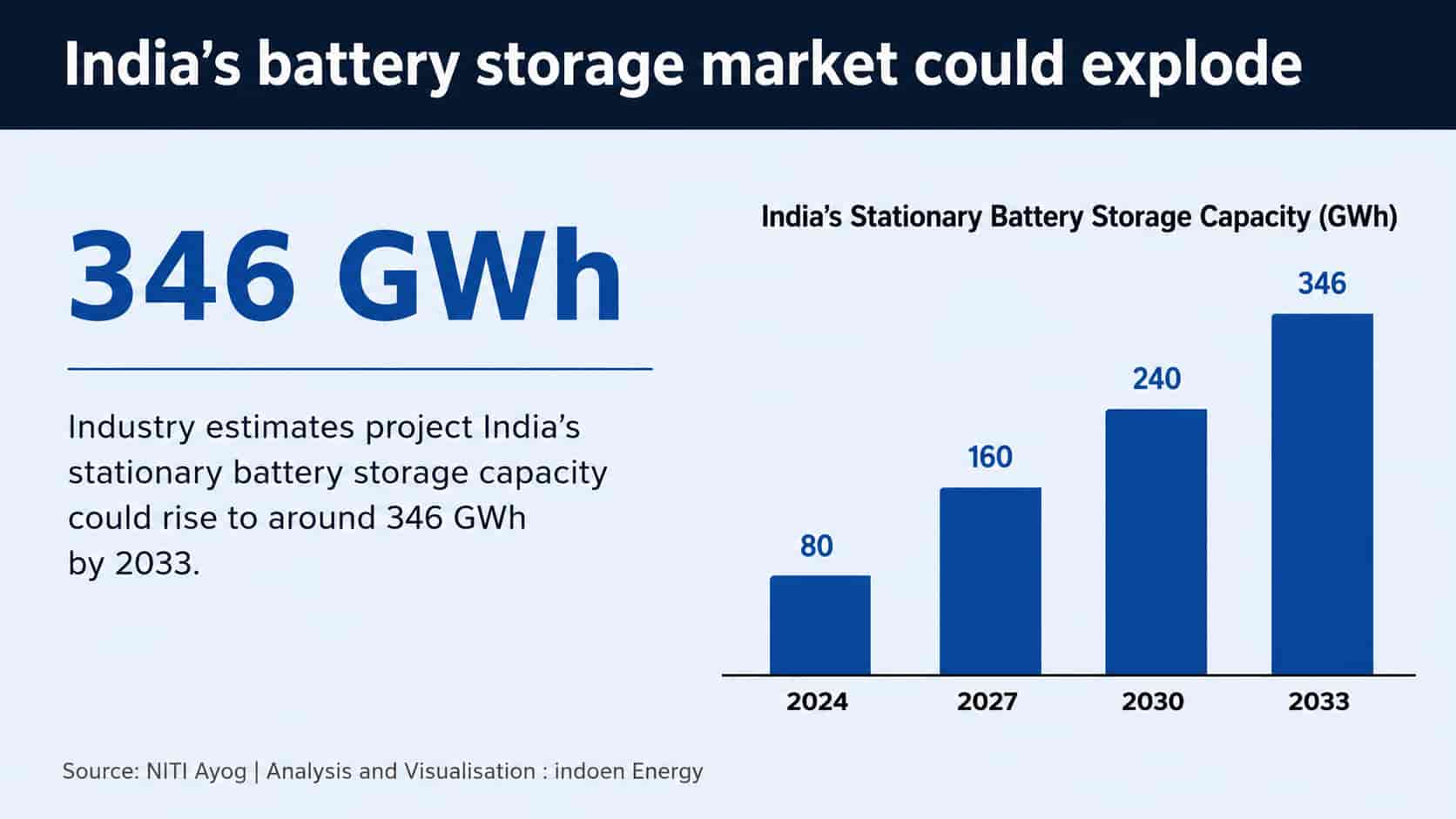
The scale of the expected expansion is enormous. A recent industry whitepaper projected that India’s installed stationary battery storage capacity could rise from less than 1 GWh today to around 346 GWh by 2033, with nearly 92 GWh already in the project pipeline.
The report also noted that India witnessed 69 new battery energy storage tenders totalling 102 GWh over the past year alone, highlighting how rapidly storage is moving from a niche technology to a central pillar of India’s future grid planning.
Storage technologies increasingly determine when renewable energy can be dispatched, how coal plants operate, whether EV charging networks remain stable and how future industrial demand is managed.
In many ways, batteries are beginning to function as the hidden operating system of the energy transition.
China’s influence is entering through storage
One of the least discussed dimensions of India’s transition is the growing role of Chinese battery manufacturers.
EVE Energy recently signed an agreement with India’s Godawari group for an 8 GWh battery storage deal, with the partnership potentially expanding to 60 GWh over five years.
The development highlights a strategic contradiction within India’s energy transition.
India has aggressively attempted to reduce dependence on Chinese solar imports through production-linked incentive schemes and domestic manufacturing policies. However, storage technologies remain heavily dependent on Chinese supply chains, particularly for lithium-ion cells, processing technologies and battery chemistry.
That creates a new form of energy dependence.
In the fossil fuel era, India’s vulnerabilities centred around imported crude oil. In the storage era, dependencies may increasingly revolve around critical minerals, battery materials and Chinese manufacturing ecosystems.
Some analysts already believe that control over battery supply chains may eventually matter as much as oil supply routes once did.
EV growth is colliding with infrastructure realities
India’s electric mobility sector is accelerating rapidly, particularly in urban centres.
Cities such as Bengaluru have witnessed strong growth in EV demand in recent months amid expanding brand choices and greater consumer acceptance.
Yet infrastructure gaps remain severe.
Industry estimates suggest India currently has only one public charger for roughly every 235 EVs on the road — far behind mature EV markets such as China or Norway.
That gap is beginning to influence corporate strategy.
Ola Electric recently announced plans to invest around US$208 million into EV and battery cell manufacturing in an attempt to localise supply chains and reduce operating costs amid rising competition.
The broader issue is that EV growth, renewable energy expansion and battery storage are no longer separate conversations. They are becoming part of the same interconnected infrastructure challenge.
Without sufficient storage capacity and charging infrastructure, rapid EV adoption could place enormous pressure on already stressed urban grids.
India mirrors a global energy contradiction
Globally, the energy transition is becoming increasingly contradictory.
New coal plant approvals reportedly reached a 10-year high worldwide in 2025 even as coal power generation declined in several regions due to renewables growth and slowing industrial demand.
Meanwhile, countries across Asia continue investing simultaneously in coal security, renewable expansion and battery infrastructure.
India reflects that duality perhaps more than any other major economy.
Official data still shows comfortable coal stock levels even as power demand repeatedly hits record highs.
But beneath the surface, the architecture of the power system is changing.
The most important insight may be that batteries are no longer competing with coal in a simplistic replacement battle. Instead, storage is beginning to determine when coal plants run, how they operate, where future investments flow and which countries control critical supply chains.
India’s energy transition, therefore, may ultimately be less about abandoning coal and more about redesigning the entire electricity system around flexibility, storage and strategic industrial control.
That transformation is only beginning.