
The world is already smart and it is becoming smarter with cell phones, tablets, laptops, cameras, batteries and every new device that comes into the market. Lithium is the raw material behind most of the devices that humans use every day.
When it comes to processing raw lithium into batteries China is the dominant player. It controls around 60% of the world’s capacity which is instrumental for the burgeoning electric vehicle (EV) market. India is committed to the Paris agreement to reduce emission intensity and the country would rely on lithium to make it happen.
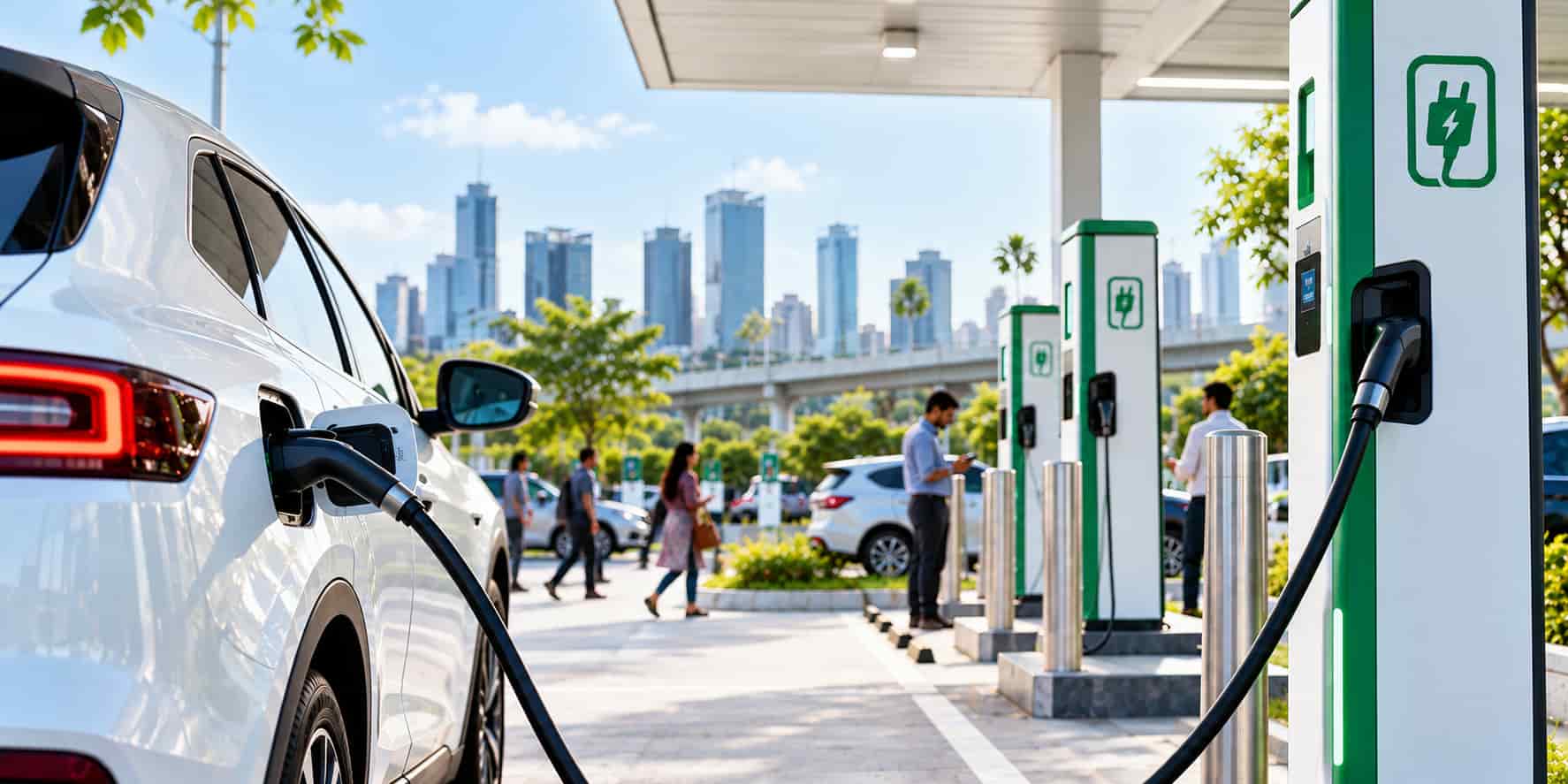
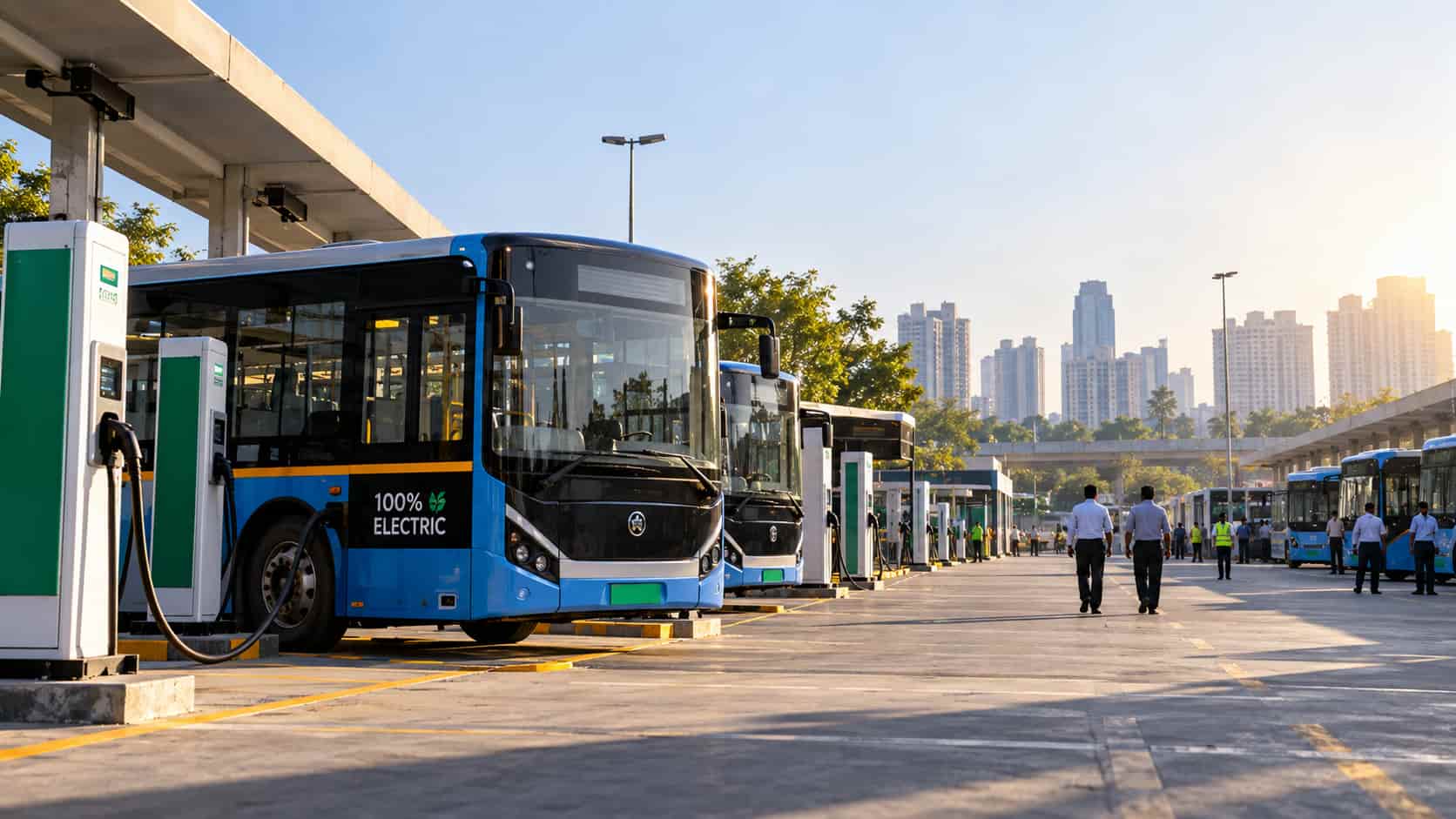
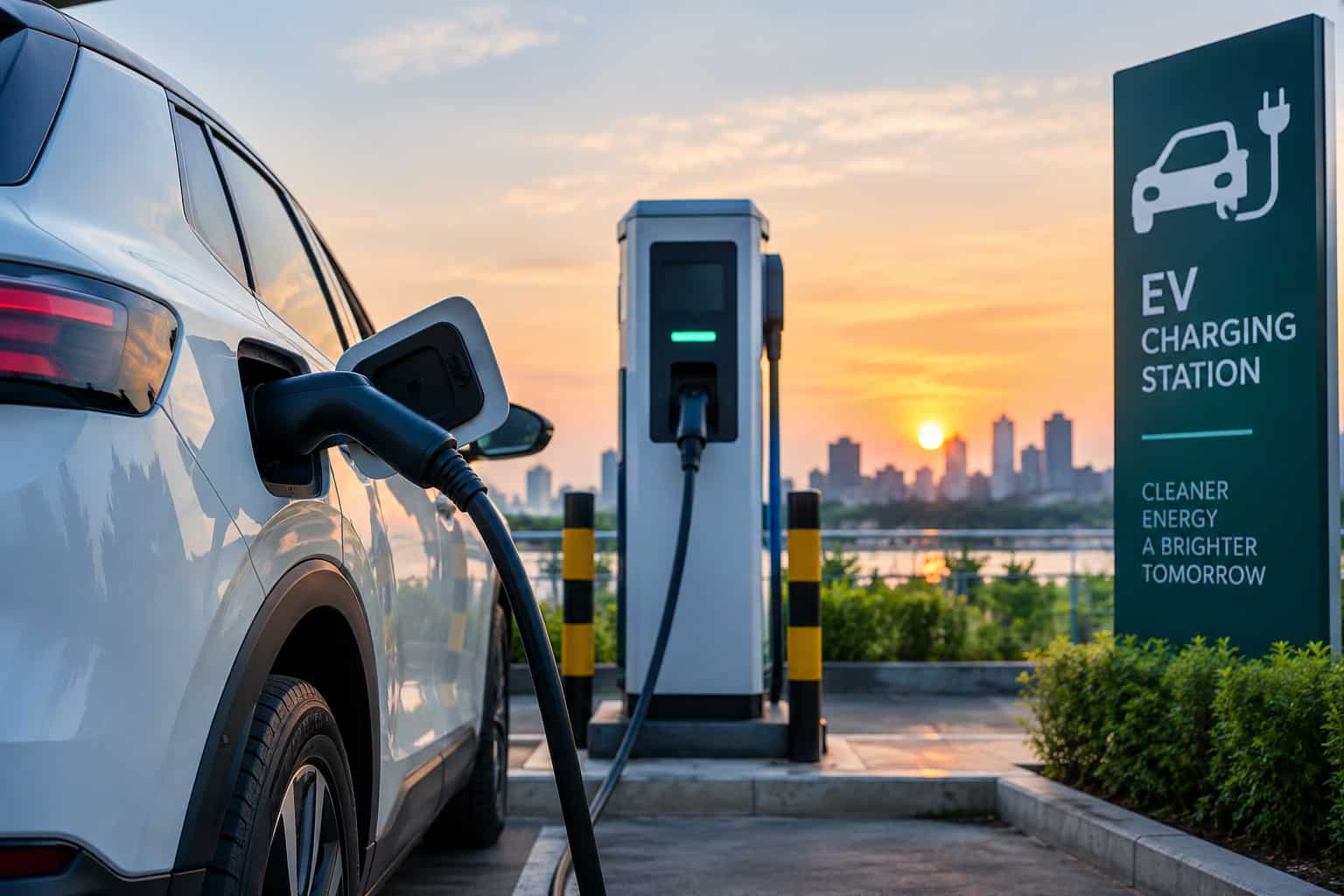
Switching over to EVs was identified as crucial for meeting net zero emissions. The country has made some headway in the use of EVs, especially two-wheelers and three-wheelers. The government is also deploying electric buses in stages. However, for numerous reasons EV sales haven’t picked up for cars.
The Geological Survey of India has established lithium inferred resources (G3) of 5.9 mt in Salal-Haimana area of Reasi District of the union territory of Jammu & Kashmir. The recent discovery would boost EV production as lithium is key to manufacturing EV batteries.
More assessments would clear the picture on whether the resources could be appropriately used for manufacturing EV batteries, according to the scientific community. Development should happen sustainably keeping in view the ecology of the Himalayas, they point out.
As per government estimates, in FY 2020-21, India imported Rs. 173 crores worth of lithium and lithium-ion worth Rs. 8,811 crores. Chile is the world leader with 9.3 mt followed by Australia with 6.2 mt. India’s discovery would catapult it to the third position in the world.
Now the government has termed the find as “inferred resources” and further assessments would be underway. Once the geological and grade continuity is verified and the resources are found to be substantial, India can begin the production of homegrown batteries.
India had discovered lithium deposits in Karnataka’s Mandya region in the past for which commercial activities are yet to begin. The lithium reserves unearthed in Jammu & Kashmir is highly crucial for India to get success in its EV journey. Industry stakeholders should brace up to explore possibilities of commercial extraction.
Tesla owner Elon Musk tweeted that by around 2030 the total market for electric cars would reach 30 million. Close to two million tonnes of lithium carbonate equivalent would be needed.
Lithium-ion batteries that can be recharged would be in great demand and already it accounts for more than 50% of the total metal demand in the market. India which had hitherto relied on imports can open a new chapter if the findings in Jammu & Kashmir are materialized.
Early last year, four companies Reliance New Energy Solar Limited, Ola Electric Mobility Private Limited, Hyundai Global Motors Company Limited and Rajesh Exports Limited were selected for incentives under a PLI scheme for advanced chemistry cell battery storage. The government’s Rs. 18,100 crore programmes is expected to spur the production of homegrown batteries.
India which assumed the G-20 presidency in the recent past will be the cynosure of various stakeholders interested in doing business in this field. On the home front, the government has ambitious plans to have at least around 30% of the new vehicle registrations be electric by 2030 through local manufacturing.
Towards this, the government increased import duty on lithium-ion cells and brought them under the ambit of the PLI scheme. Once it succeeds as desired India’s economy would be supercharged. Harnessing labour and technology potential will give rich dividends as we step up to export batteries. This will usher in a new era for EVs in India.