
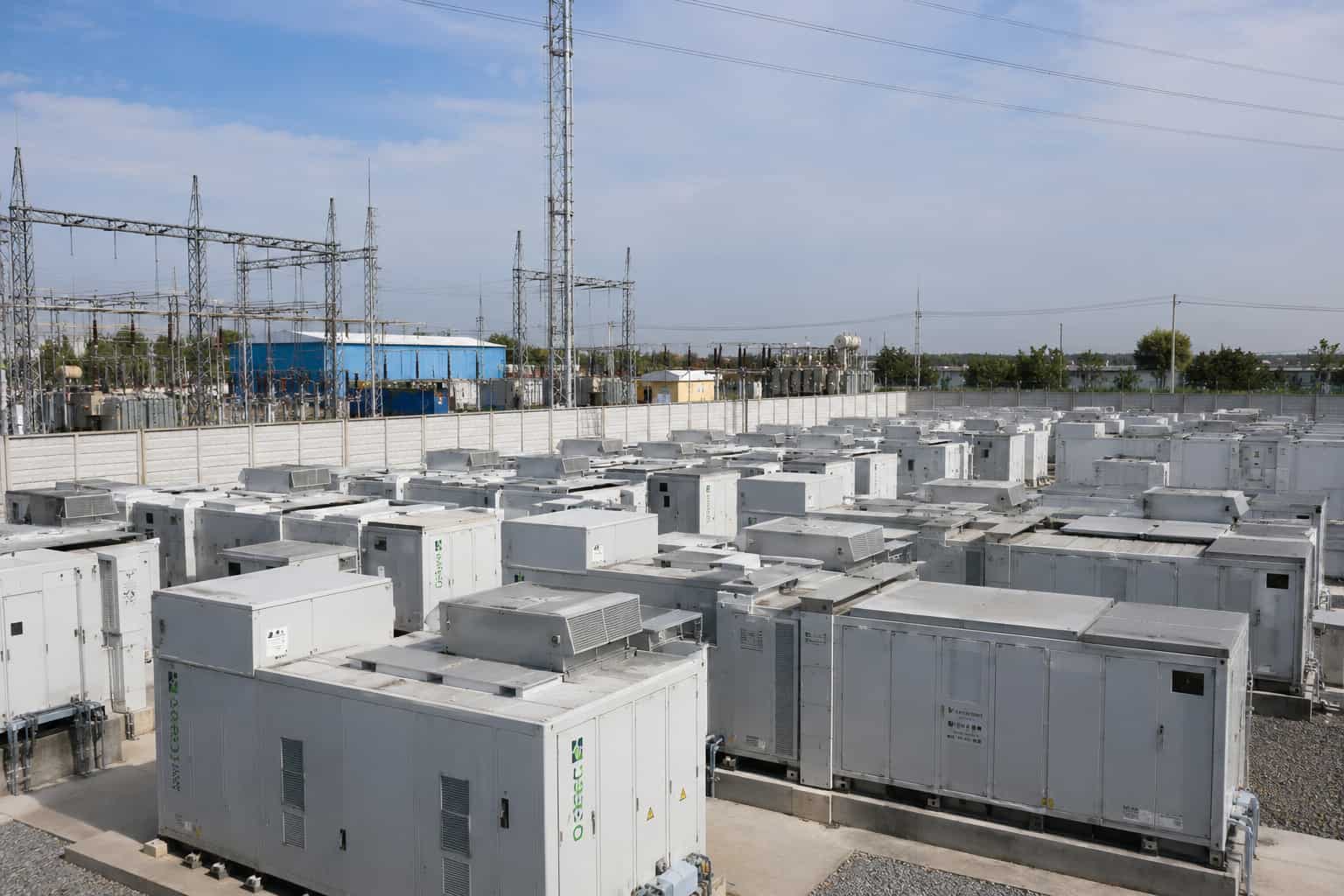

India’s grid-scale battery storage buildout gains momentum as infrastructure capital expands beyond renewables
India’s battery storage sector is beginning to move from pilot-scale experimentation towards large infrastructure deployment, reflecting a broader shift in the country’s electricity-transition strategy.
Two separate developments — the commissioning of IndiGrid’s 180 MW/360 MWh battery energy storage system (BESS) project in Gujarat and Ceigall India securing a 50 MW standalone storage project in Punjab — indicate that battery storage is emerging as a core grid asset rather than merely an auxiliary renewable-energy technology.
The significance lies less in the individual project sizes and more in what they reveal about the changing structure of India’s power system. As renewable capacity expands rapidly, the country is confronting the operational reality of intermittency, grid balancing and evening peak demand. Storage infrastructure is increasingly becoming essential for maintaining grid stability, reducing renewable curtailment and supporting industrial electrification.
India’s recent storage tenders and viability-gap funding mechanisms suggest that policymakers now view storage as critical infrastructure comparable to transmission assets.
The projects also reflect a changing investment pattern in the power sector. Infrastructure investment trusts, EPC firms and transmission-focused companies are moving aggressively into storage, anticipating a future market where energy flexibility becomes commercially valuable.
This shift could gradually reshape power-market economics by weakening the traditional dominance of coal-based peaking power while creating new financing and revenue models linked to ancillary services and capacity markets.
The rise of standalone storage projects is particularly important because it signals the emergence of storage as an independent business vertical rather than merely an add-on to solar generation.
Over the medium term, this may accelerate the integration of renewables into India’s industrial and urban energy systems while also creating pressure for regulatory reform around power pricing, dispatch and grid management.
Coal India’s exit from solar manufacturing reveals structural weaknesses in India’s domestic clean-energy supply chain
Coal India’s decision to shut down its solar manufacturing subsidiary highlights the growing gap between India’s ambitious clean-energy targets and the commercial realities facing domestic manufacturing ventures.
The development is significant not because of the scale of the unit itself, but because it exposes the persistent structural weaknesses in India’s attempt to build an indigenous renewable-energy manufacturing ecosystem outside established private-sector players.
The closure suggests that even large state-backed enterprises with strong balance sheets are struggling to compete in a solar supply chain dominated by Chinese manufacturing scale, lower costs and technological integration.
India’s production-linked incentive (PLI) schemes and import restrictions have encouraged investment announcements, but translating policy ambition into commercially sustainable manufacturing remains difficult, particularly in modules and cells where global price competition is intense.
The episode also reflects the broader contradictions within India’s energy transition.
Coal India remains one of the country’s most strategically important energy companies and is under growing pressure to diversify as long-term coal demand risks become more visible globally. Yet the failure of its solar venture indicates that diversification into clean energy is not automatically commercially viable, especially for firms historically structured around fossil-fuel extraction and public-sector operational models.
From a political-economy perspective, the development raises deeper questions about whether India’s clean-energy manufacturing ambitions will ultimately consolidate around a few large conglomerates with integrated supply chains and access to capital, rather than becoming a broad-based industrial transformation.
It also underscores the strategic importance of technology access, scale economics and industrial policy coherence in determining the future balance of power within India’s energy sector.
India’s EV charging expansion signals a shift towards network infrastructure economics
The Indian government’s approval of 4,874 electric vehicle charging stations under the PM E-Drive scheme represents a significant infrastructure signal in the country’s transport-electrification strategy.
While charging announcements have become frequent, the importance of this move lies in the gradual transition from EV promotion towards large-scale network infrastructure creation — a phase that will determine whether electric mobility can expand beyond early urban adoption.
The approved charging rollout reflects growing state recognition that EV adoption is increasingly constrained not by vehicle availability alone, but by infrastructure density, reliability and power integration. Charging networks are becoming a strategic energy infrastructure layer linking electricity markets, urban planning, distribution utilities and mobility systems. As India’s electricity demand profile evolves, widespread EV charging could also influence distribution-network investments, peak demand patterns and grid modernisation priorities.
The development has broader industrial implications as well. Public charging infrastructure is emerging as a key competitive arena involving oil marketing companies, utilities, infrastructure firms, mobility startups and equipment manufacturers.
Over time, ownership of charging networks could become strategically important in shaping energy retail markets and digital mobility ecosystems.
The scheme also indicates a policy shift towards enabling long-term ecosystem development rather than relying solely on consumer subsidies.
However, the commercial sustainability of charging infrastructure remains uncertain in many regions due to utilisation challenges, land economics and uneven EV penetration.
The next phase of India’s EV transition will therefore depend not just on deployment targets, but on whether charging infrastructure evolves into a viable long-term infrastructure business.
Tata Power’s earnings reflect the increasing operational complexity of India’s hybrid energy transition
Tata Power’s quarterly performance, affected by disruptions at its Gujarat thermal plant even as the company advances renewable and nuclear ambitions, illustrates the increasingly hybrid nature of India’s energy transition.
The development is strategically important because it reflects how major Indian power companies are attempting to balance legacy thermal assets, expanding renewable portfolios and future low-carbon investments simultaneously.
The company’s trajectory mirrors a broader restructuring underway in India’s electricity sector, where large utilities are no longer operating within a simple fossil-versus-renewable framework. Instead, firms are building diversified energy portfolios that combine thermal generation, renewables, transmission, storage, rooftop solar, EV charging and potentially nuclear partnerships.
This diversification is becoming necessary both for long-term profitability and for managing policy and market risks linked to decarbonisation.
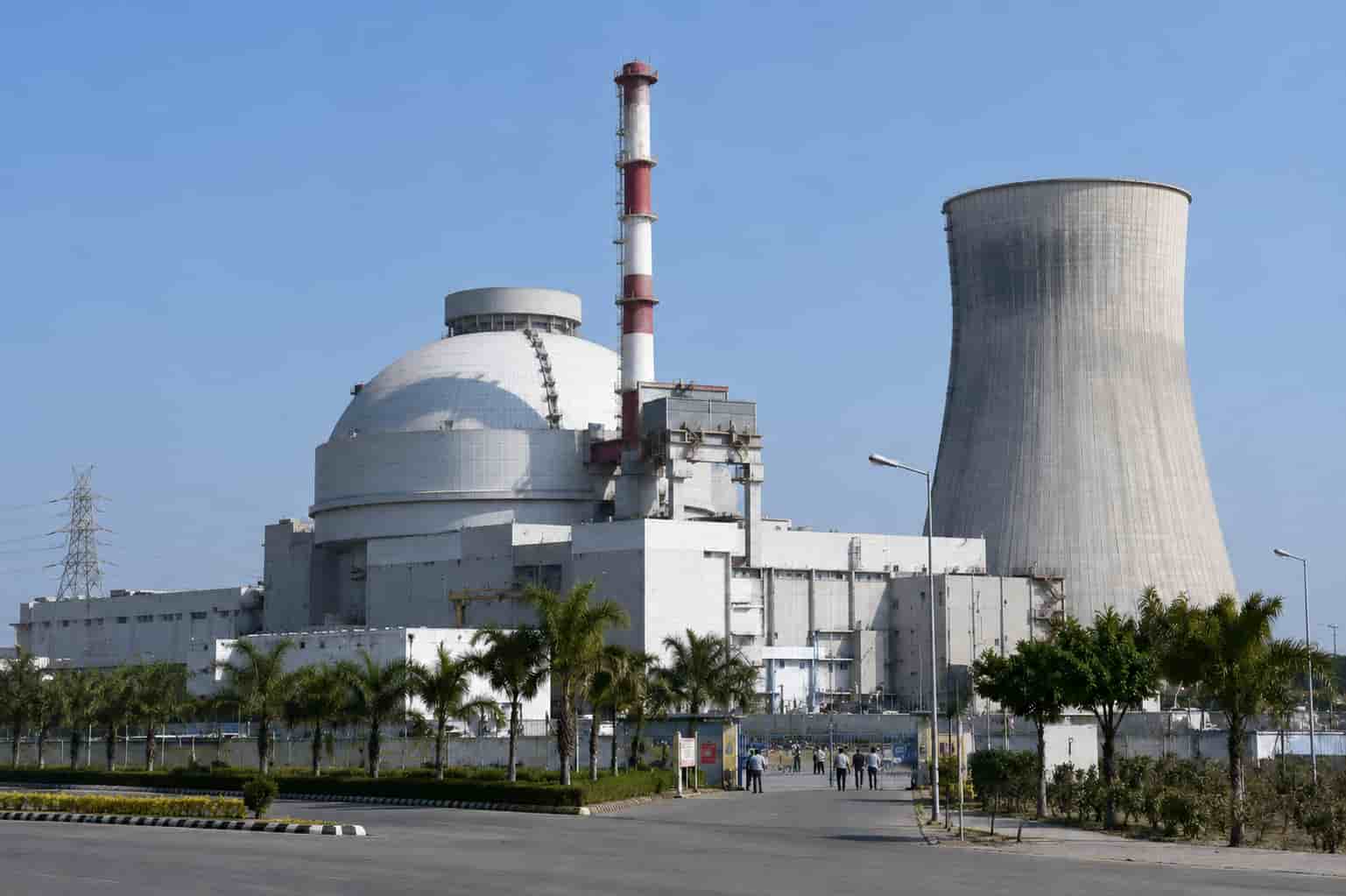
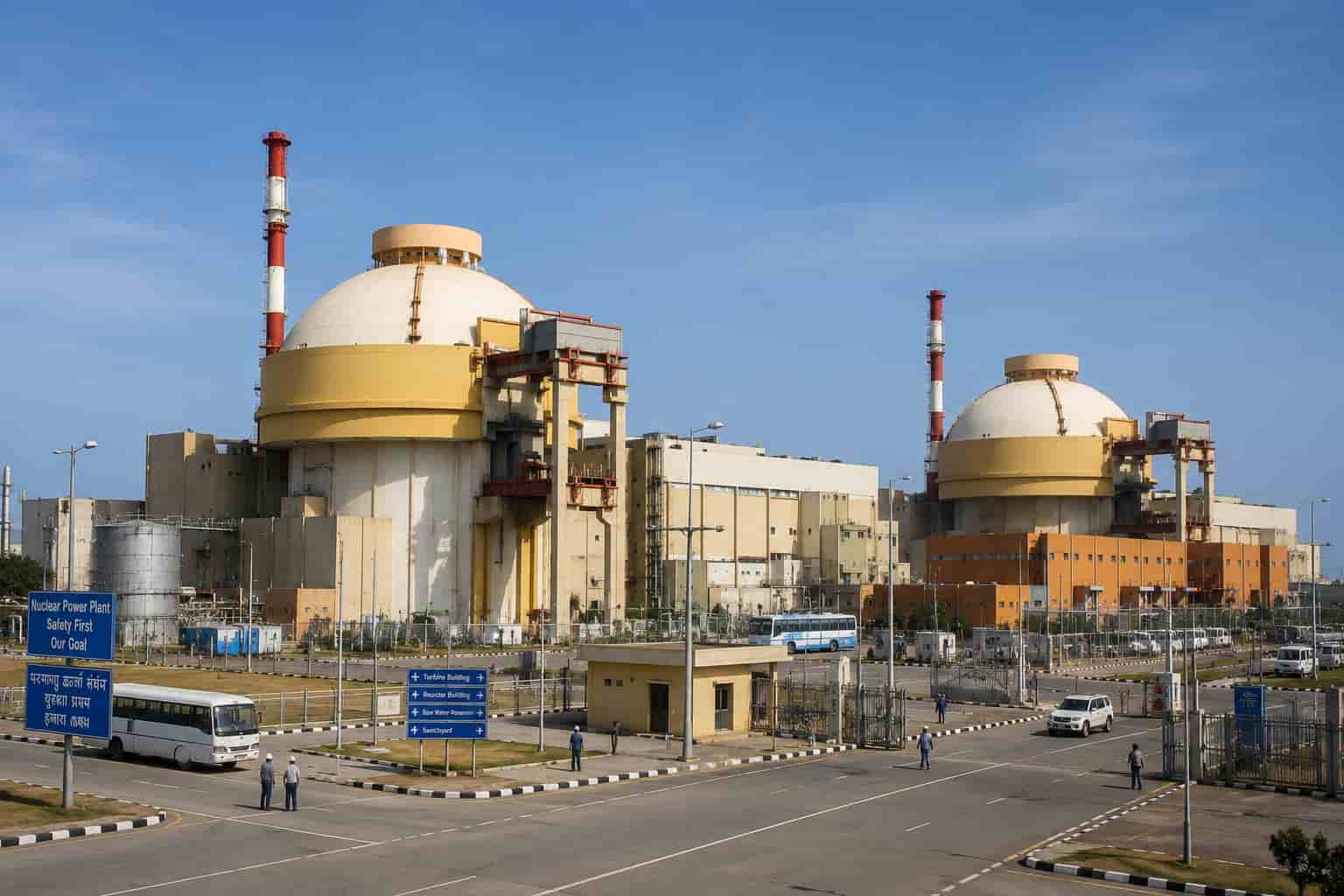
The reference to nuclear discussions is particularly notable. India’s growing electricity demand — especially from industrial growth, digital infrastructure and AI-linked data-centre expansion — is reviving interest in firm low-carbon generation sources capable of complementing intermittent renewables. Large corporate groups are increasingly positioning themselves to participate in future nuclear expansion if policy frameworks evolve further.
At the same time, the earnings impact from operational disruptions highlights a key challenge confronting India’s energy transition: legacy thermal infrastructure remains central to grid stability and industrial power supply even as decarbonisation accelerates.
This dual dependence is likely to shape India’s power-sector investment decisions for years, producing a transition that is gradual, infrastructure-heavy and financially complex rather than linear.