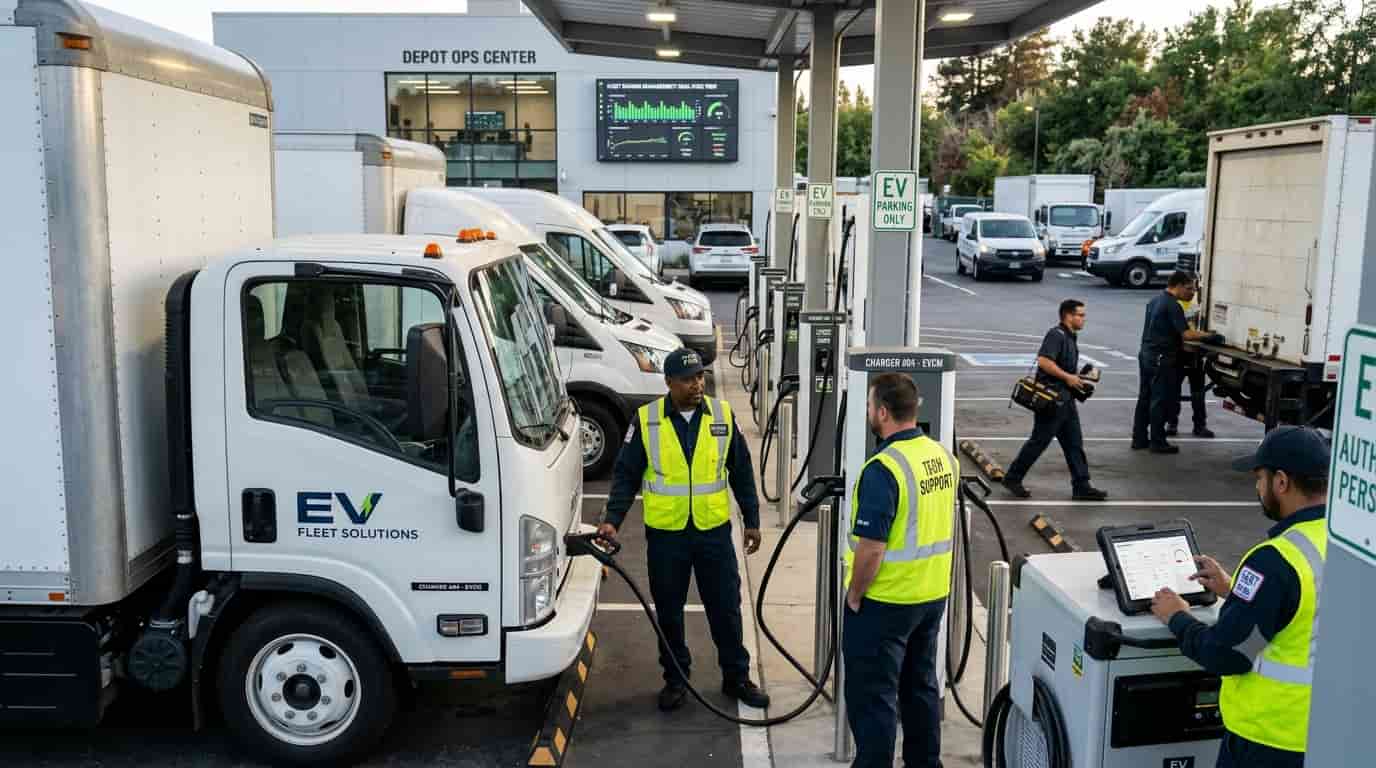

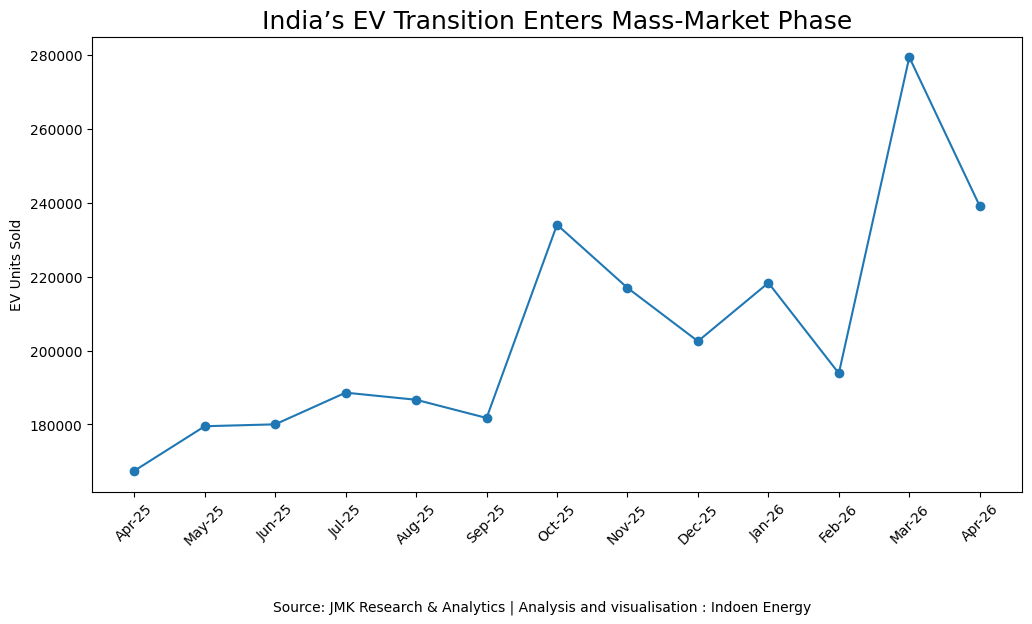
India’s electric mobility transition is entering a more decisive phase, where the debate is shifting from vehicle adoption to whether infrastructure, power systems and industrial supply chains can keep pace with rising demand.
India aims to increase electric vehicle (EV) sales to 30% of private cars, 70% of commercial vehicles, 40% of buses, and 80% of two and three-wheelers by 2030. This translates to approximately 80 million EVs on Indian roads, alongside a focus on complete domestic EV production through the 'Make in India' initiative.
Recent press reports of nearly 13,000 electric vehicle (EV) registrations in Bengaluru in a single day highlighted India’s changing mobility landscape. Although official figures are still being verified, the broader trend is clear: the country’s EV market is shifting from early adoption to mass market momentum.
The timing of this surge is being seen as significant by energy market analysts. Geopolitical tensions in West Asia and resulting volatility in oil markets have added pressure on fuel prices. Analysts expect expanded charging access, improved battery economics, and stronger policy support.
As this unfolds, consumer behaviour is also beginning to shift. EV adoption is often driven by economic considerations and long-term operating efficiency, with environmental concerns taking a back seat in buyers' minds, according to market observers.
The broader energy uncertainty coincided with India’s increased focus on charging infrastructure under the PM E-Drive programme (a US$1.1 billion Indian government initiative by the Ministry of Heavy Industries to accelerate EV adoption and build nationwide charging infrastructure).
The government increasingly appears to recognise that the next phase of India’s EV journey depends more on ecosystem development than on vehicle launches. As India pursues energy security, industrial growth, cleaner air, and reduced dependence on crude oil, EVs are becoming a strategic transition rather than an automotive trend.
Bengaluru becomes India’s real-time EV laboratory
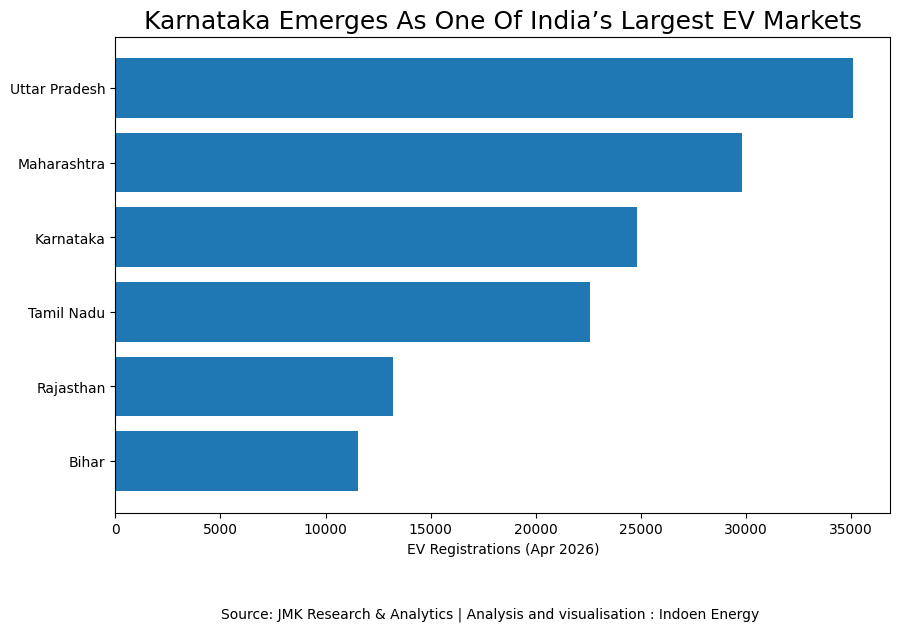
Bengaluru has become one of India’s most prominent cities for EV adoption and experimentation due to the advantages it offers for electric mobility ― commuting distances, a digitally connected workforce, environmental awareness, a startup ecosystem, and comparatively better charging infrastructure.
Karnataka positioned itself as an early policy leader in India’s EV segment, well before adoption gathered pace elsewhere in the country. The state introduced dedicated policies to attract manufacturing investment and foster technology ecosystems, and Bengaluru is now witnessing the results of those early initiatives.
Two- and three-wheeler fleets, ride-hailing fleets, premium EVs, and commercial transport are increasingly adopting electric mobility in Bengaluru. The rise of app-based logistics and quick commerce has further accelerated electrification, particularly in the two- and three-wheeler segments.
Government estimates show that electric two-wheelers dominate India’s EV market, accounting for the largest share of total registrations. The cost advantage of electric over petrol vehicles is especially compelling for urban users with high monthly travel distances.
For many urban consumers, the economics are becoming increasingly difficult to ignore. Petrol prices in many Indian cities remain above ₹100 (US$1.04) per litre. In contrast, electric two-wheelers and compact EVs offer significantly lower running costs per kilometre, especially when charged during off-peak residential hours.
“India’s EV transition is no longer being driven solely by sustainability narratives,” said an industry analyst tracking mobility markets in South India. “The economics are becoming difficult for consumers to ignore, especially in high-density urban ecosystems where fuel expenditure forms a major part of costs.”
The next phase hinges on infrastructure
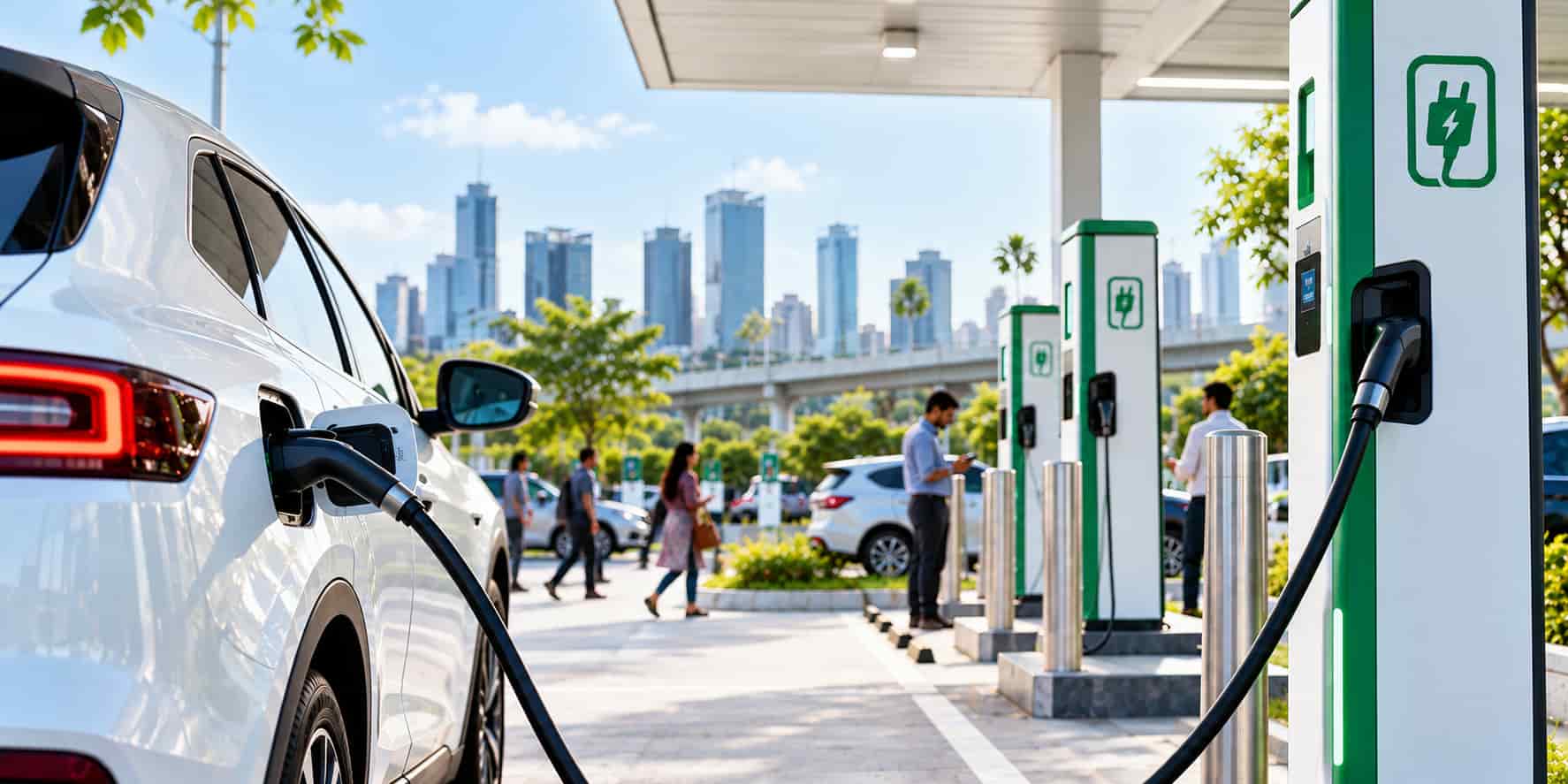
The challenge now extends beyond vehicle sales because, as EV adoption increases, the charging ecosystem is becoming a critical priority rather than a supplementary convenience. The government accorded approval for 4,874 public EV charging stations at an outlay of ₹503.86 crore (US$53 million) under the PM E-Drive scheme.
As per government estimates, 29,151 electric vehicle charging stations (EVCS) were installed across India, in each state and union territory, during the last five years.
Major public sector oil companies such as Indian Oil Corporation Limited, Bharat Petroleum Corporation Limited, and Hindustan Petroleum Corporation Limited, along with state governments such as Karnataka, Gujarat, Tamil Nadu, Telangana, Andhra Pradesh, Kerala, Rajasthan, and Uttar Pradesh, will participate in the bidding.
Traditional fossil-fuel distribution networks are gradually repositioning within the electric mobility economy. Petrol pumps are increasingly seen as future mobility-energy hubs rather than solely as hydrocarbon retail points.
For oil marketing companies facing long-term uncertainty in transport fuel demand, EV charging infrastructure offers both defensive and strategic diversification opportunities.
Grid becomes important
As EV adoption rises, the focus shifts to a key systems-level question: Can India’s electric infrastructure support large-scale electrification of mobility? EV charging demand remains manageable relative to India’s total electricity generation capacity. However, the long-term challenge lies in demand clustering.
Cities such as Bengaluru, Delhi, Hyderabad, Pune, and Mumbai may experience concentrated evening charging loads, which could strain urban distribution networks unless charging behaviour becomes smarter and more distributed.
Industry experts increasingly believe EV charging must advance in tandem with intelligent grid management systems.
“India’s next challenge is not simply adding chargers,” noted a mobility infrastructure consultant associated with several urban EV projects. “The next phase is about integrating charging with grid stability, renewable energy availability, and smart energy management.”
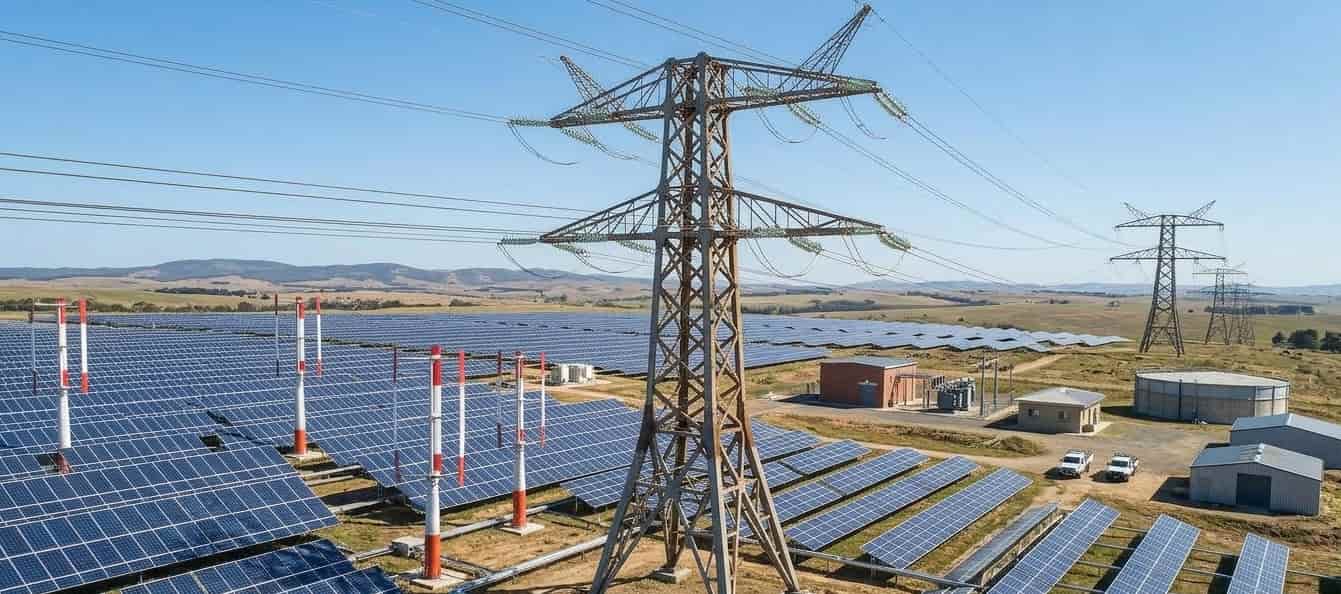
This is especially important as India expands renewable energy capacity. Solar generation peaks during the day, while urban residential charging demand often spikes at night. Efficient integration of renewable energy, battery storage, and EV charging networks could become central to India’s future energy system.
EVs are no longer just transportation assets; they are becoming integral to the broader electricity ecosystem.
Bharat eCharge signals next EV shift
A key announcement under the PM E-Drive ecosystem is the proposed Unified Bharat eCharge platform.
The government is presenting this initiative as a UPI-like unified digital platform for EV charging access and payments.
Once implemented effectively, this platform could address persistent user frustrations in India’s charging ecosystem, such as fragmented networks, multiple apps, inconsistent payment systems, and poor interoperability.
India’s digital public infrastructure has already transformed payments through UPI. Policymakers now aim to replicate similar interoperability principles in the mobility-energy sector.
For EV users, the implications could be substantial. A unified system for charger discovery, authentication, payment, and real-time availability could significantly boost consumer confidence, especially among first-time EV buyers concerned about charging access.
It would also enable smaller charging operators to participate in a national, interoperable ecosystem rather than remain isolated regional networks.
Beyond vehicle manufacturing
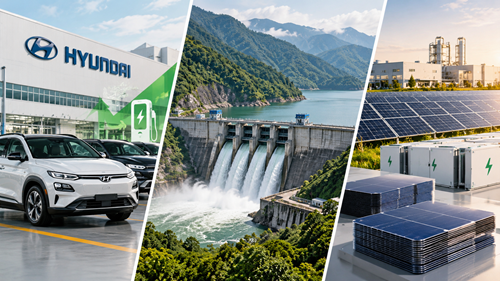
India’s EV ambitions are not limited to consumption alone. The sector is increasingly connected to broader industrial policy objectives, such as advanced manufacturing, battery production, electronics supply chains, and clean technology localisation.
Government-backed initiatives such as the Production Linked Incentive (PLI) schemes for automobiles and Advanced Chemistry Cells (ACC) batteries are designed to reduce import dependence while building domestic manufacturing ecosystems.
This industrial layer is strategically important because global EV competition is now more focused on supply chains than on vehicle assembly alone.
Battery manufacturing, rare mineral processing, power electronics, charging equipment, software integration, and energy management systems form the backbone of the future mobility economy. India remains a large consumer market, so domestic manufacturing depth needs to expand in parallel.
Several Indian and foreign firms are increasing investments in battery assembly, cell technology partnerships, and the manufacturing of charging infrastructure. Bengaluru, Chennai, Pune, and Gujarat are emerging as key hubs in this industrial transition.
India’s urban mobility shift
The scale of India’s EV transition means the implications extend far beyond the automotive sector. Urban planning, electricity distribution, renewable energy integration, manufacturing policy, and digital infrastructure are increasingly becoming interconnected through electrification, which is beginning to resemble a broader economic restructuring exercise.
The challenge now is less about building momentum and more about managing scale effectively.
Charging deployment must be geographically balanced. Grid upgrades should anticipate future demand. Battery supply chains need long-term strategic planning. Renewable energy integration must accelerate with transport electrification. Most importantly, affordability must remain central to the transition.
India’s EV success will depend not only on the adoption of premium electric cars, but also on how effectively electric mobility scales across two-wheelers, three-wheelers, buses, freight, and mass urban transportation.
Bengaluru’s surge may represent more than just a city-level milestone. It may signal how quickly India’s mobility economics are changing and how the country’s energy transition is moving from policy ambition to consumer reality.