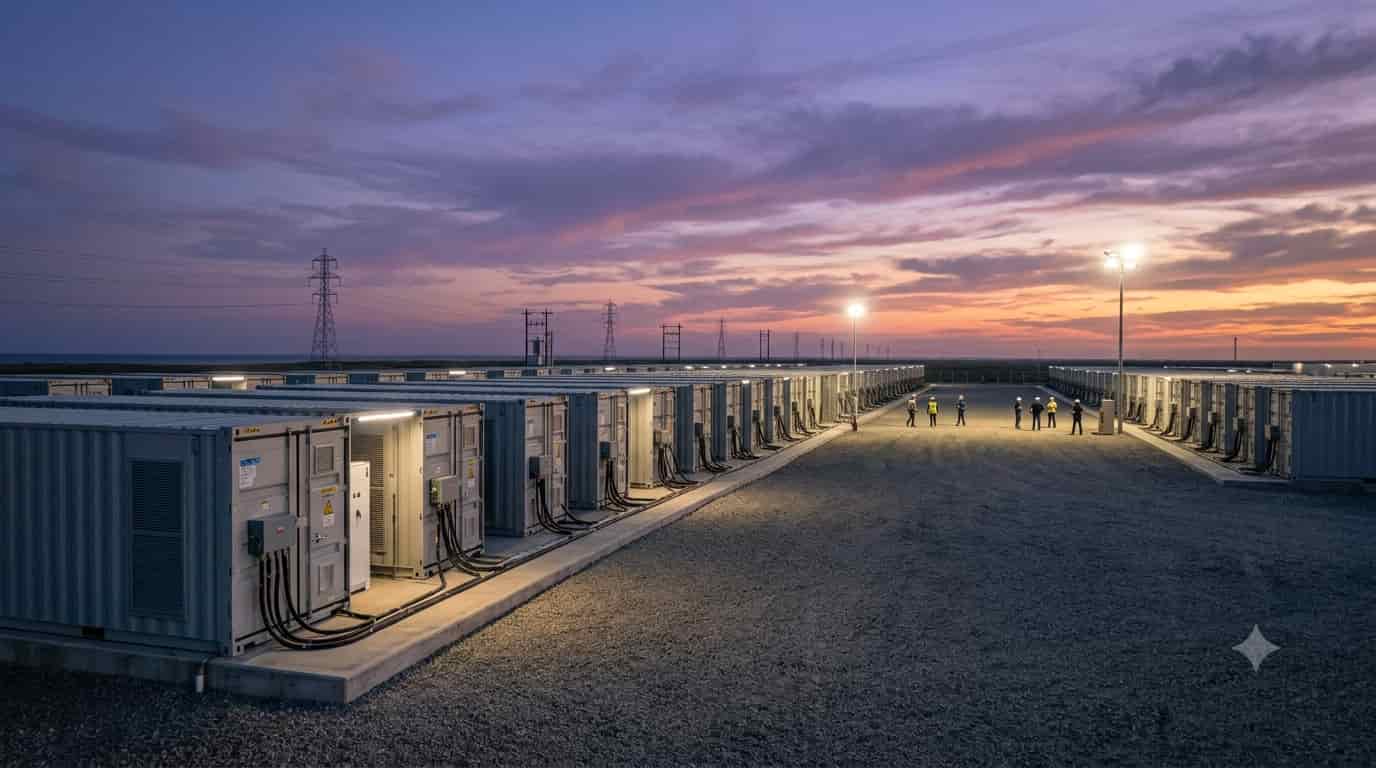

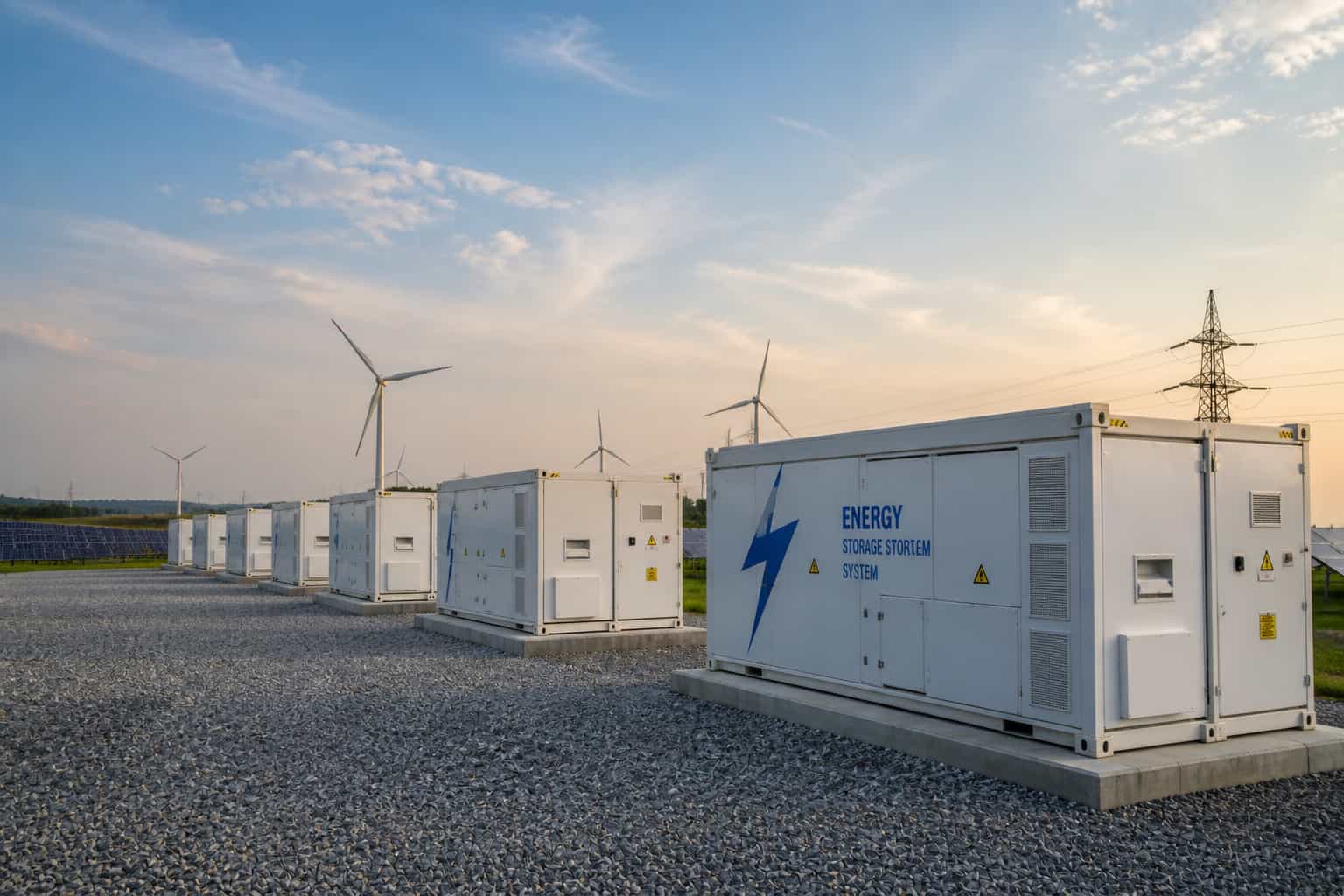

India’s power sector is entering a new phase where the focus is shifting from simply adding generation capacity to ensuring flexibility and reliability. At the centre of this transition is battery energy storage systems (BESS), which are rapidly emerging as a critical component of the energy mix. Once viewed as a supporting technology, storage is now being positioned as a core enabler of the next stage of the energy transition.
This shift reflects a deeper structural change. As renewable energy penetration rises, the variability of solar and wind generation is making it increasingly difficult to balance supply and demand in real time.
Storage, therefore, is not just an add-on; it is becoming central to how electricity systems operate. Analysts suggest that India is moving towards a flexibility-driven grid, where the ability to store and dispatch power will be as important as generating it.
The role of batteries is also expanding beyond simple energy storage. According to industry assessments, BESS is evolving into a multifunctional asset—capable of providing peak shaving, frequency regulation, backup power, and grid stabilisation. This multi-utility nature is strengthening the economic case for storage, even as upfront costs remain relatively high.
What makes this transition particularly significant is that it signals a departure from the traditional generation-centric model of power systems. In the past, the focus was on adding capacity to meet demand.
Now, the emphasis is shifting towards managing variability and ensuring reliability, especially during peak demand periods. Storage is emerging as the bridge between intermittent renewable generation and stable power supply.
This transformation is also being driven by changing demand patterns.
As electricity consumption becomes more dynamic—driven by urbanisation, industrial growth, and electrification—systems must adapt to fluctuations more efficiently. Storage provides that flexibility, enabling operators to smooth out demand spikes and optimise energy use across time.
However, the transition is still at an early stage. While the policy direction is clear, large-scale deployment will depend on cost reductions, regulatory clarity, and the development of viable business models. Questions around tariff structures, revenue streams, and market mechanisms remain unresolved, even as interest in storage continues to grow.
Yet, the direction of travel is unmistakable. Storage is no longer a peripheral technology—it is becoming foundational.
As India’s renewable capacity expands, the role of BESS will only deepen, shaping how electricity is generated, stored, and consumed. The transition underway is not just about adding a new technology, but about redefining the architecture of the power system itself.
Cover image: AI-generated (representative)