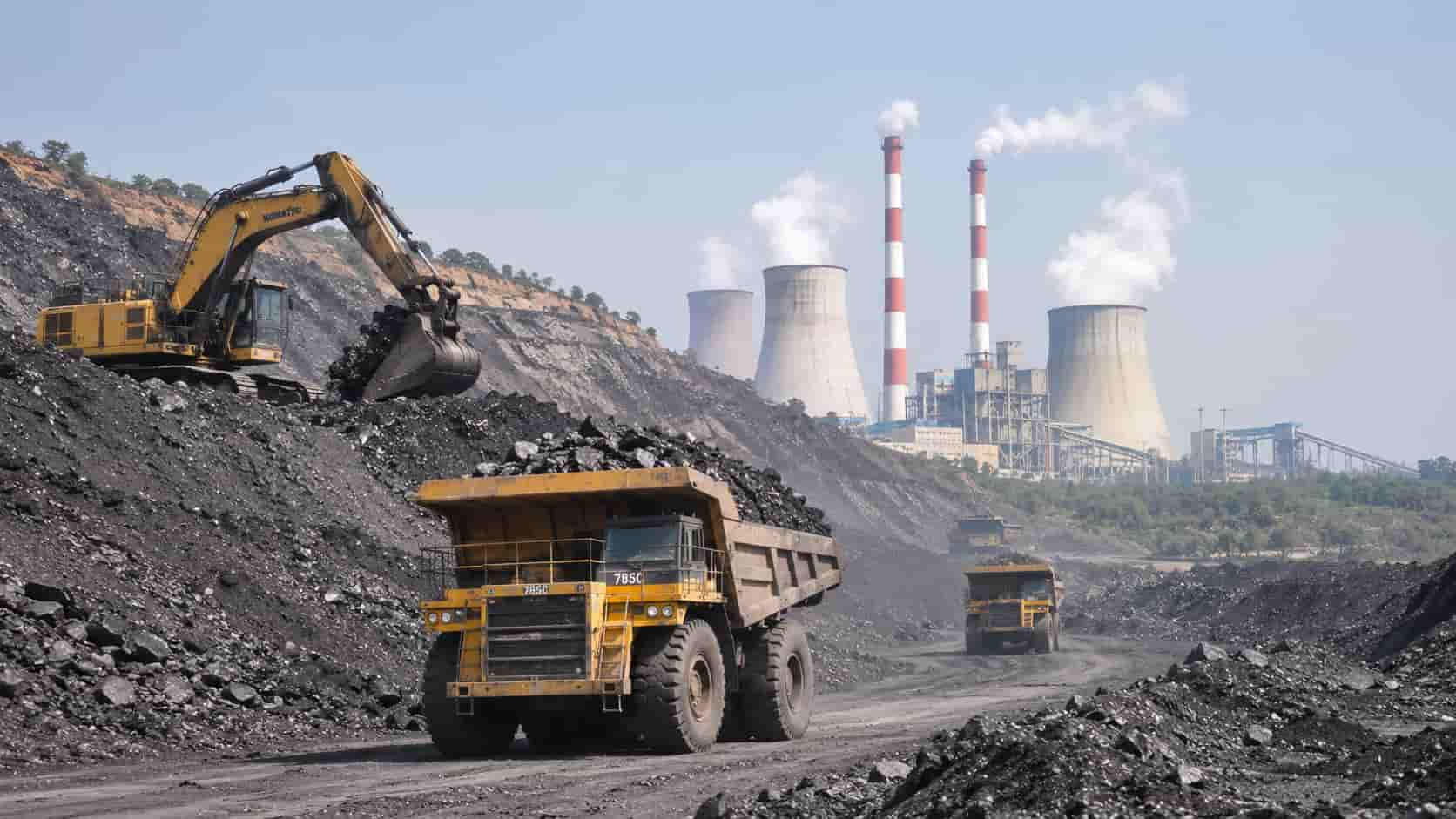
India tells its transition story in gigawatts. The country crossed 500 GW of installed power capacity in October 2025, and more than half of it is non-fossil, according to a recent policy analysis. It is a proud number. But it is a scoreboard, and every scoreboard hides a ledger.
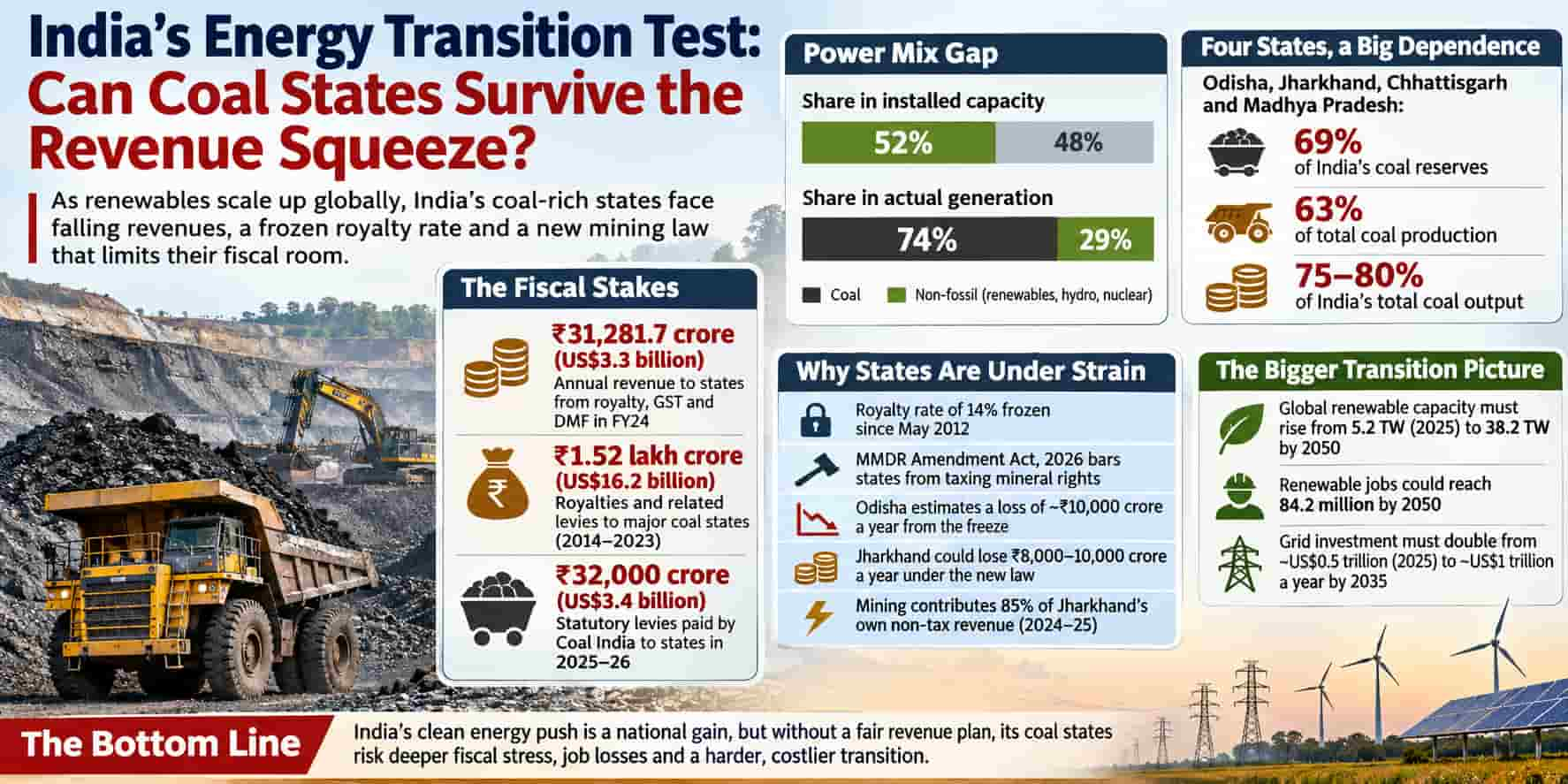
Look at one gap. Non-fossil sources make up about 52% of installed capacity. Yet they account for only around 29% of the electricity actually generated. Coal still supplies 74%. And the new solar and wind sit mostly in Rajasthan, Gujarat, Tamil Nadu and Karnataka. Jharkhand, Odisha, Chhattisgarh, Madhya Pradesh and West Bengal barely feature.
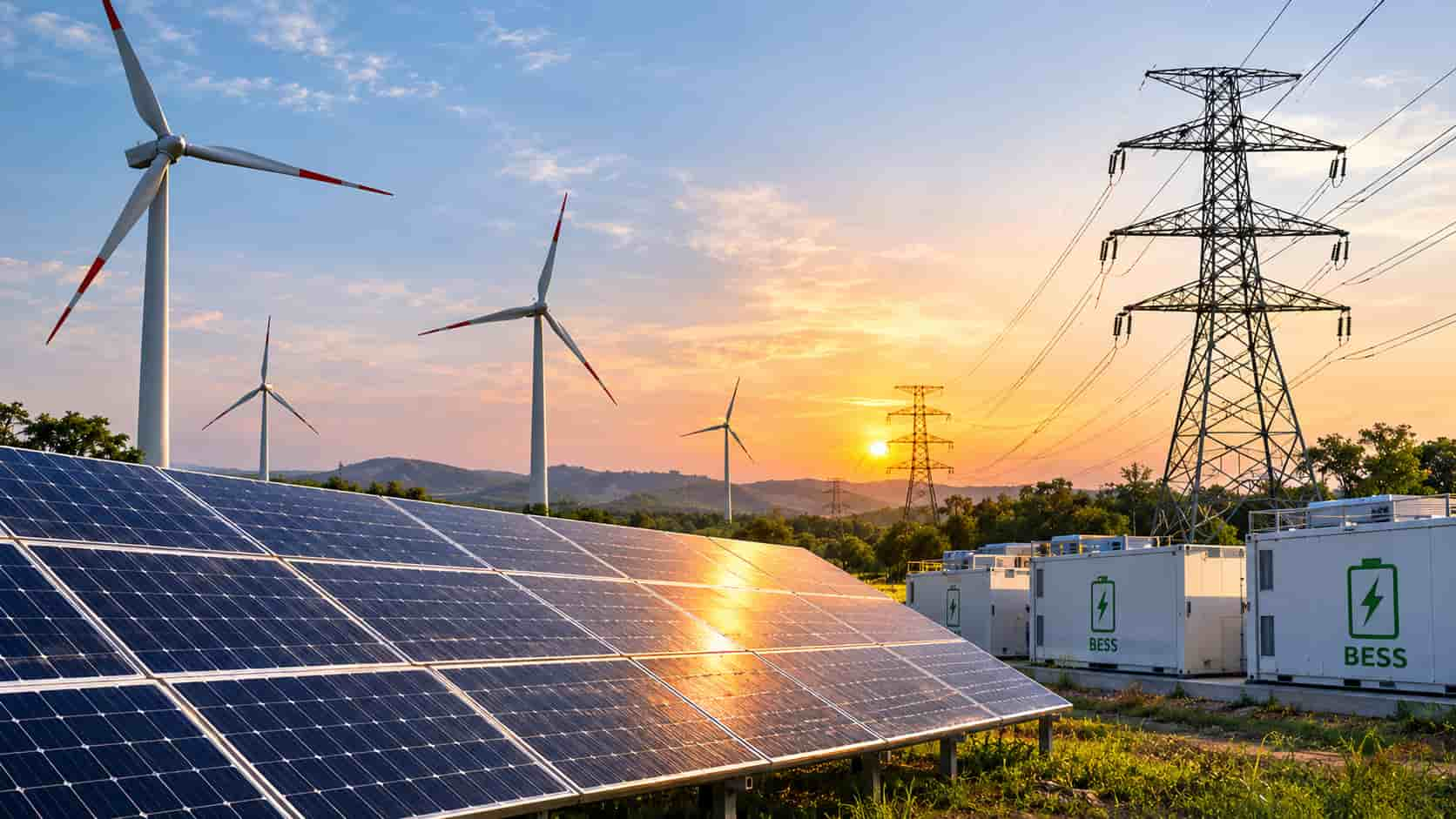
The world’s own sums point the same way. As per a recent industry report, global renewable capacity must rise from 5.2 TW in 2025 to 18.4 TW by 2035 and 38.2 TW by 2050 to keep a 1.5°C pathway alive. Electricity must grow from about 23% of final energy use to over 50%. These are national and global goals. The bill, however, arrives locally.
“Capacity is a national achievement,” said a researcher at a New Delhi-based energy think tank. “The fiscal bill is local, and it reaches the coal belt first.”
A cheque that cannot be rebuilt
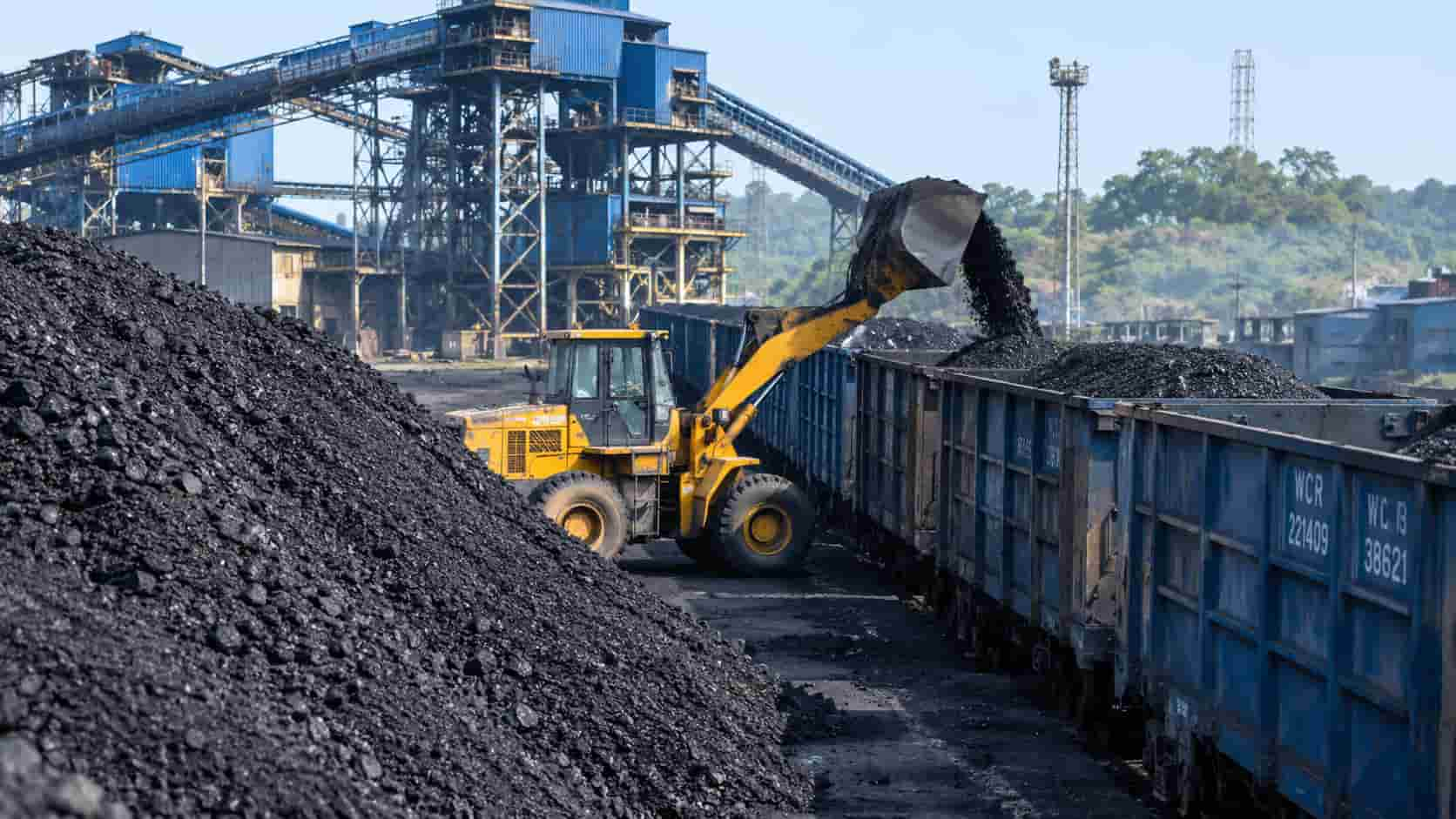
Coal pays state governments in three ways. There is royalty on extraction, state GST on sales and contributions to the District Mineral Foundation (DMF). Together they brought ₹31,281.7 crore (US$3.3 billion) to state treasuries in FY24. Between 2014 and 2023, major coal states earned ₹1.52 lakh crore (US$16.2 billion) from royalties and related levies. Coal India alone paid over ₹32,000 crore (US$3.4 billion) in statutory levies to states in 2025-26.
Concentration makes this risky. Odisha, Jharkhand and Chhattisgarh hold 69% of India’s coal reserves and produce 63% of its coal. With Madhya Pradesh, the four states account for 75–80% of output. Royalties and levies form about 30% of Jharkhand’s own tax revenue. A media report adds that mining supplied 85% of the state’s own non-tax revenue in 2024-25.
An earlier study of three coal states warned that falling fossil revenues would collide with rising spending on diversification and social protection. That collision is now visible.
 Frozen royalty, narrowing powers
The royalty rate is not the states’ to set. The Centre fixes it under the Mines and Minerals (Development and Regulation) Act, 1957. It has stood at 14% of value since May 2012, and the coal ministry has said it has no plan to revise it. Odisha estimates that the freeze costs it close to ₹10,000 crore (US$1.1 billion) a year.
The Supreme Court seemed to offer relief in July 2024. A nine-judge bench held that states can tax mineral rights and mineral-bearing land, within limits Parliament may set. Jharkhand put its claim for past dues at ₹1.36 lakh crore (US$14.5 billion).
Then Parliament moved. The MMDR Amendment Act, 2026, which received presidential assent on 17 August, bars states from imposing taxes or cesses on mineral rights or mineral-bearing land, except on terms set by the Union. Jharkhand says it could lose ₹8,000–10,000 crore (US$850 million–US$1.1 billion) a year.
The Centre’s case deserves a hearing. It says miners face about 14 different levies, and some states charge land cesses of up to 20%. Uniform rules, it argues, keep minerals affordable and attract investment. States, it adds, still receive around 90% of mining revenue through royalty, auction premiums, DMF funds and GST.
Critics reply that no mine or company has been named as a casualty of state levies. They also say a GST Council-style forum could have set common limits without stripping states of power. The courts may take years to settle it.
The timing is awkward. The 2026 Hormuz disruption pushed Brent above US$115 a barrel, and an investor paper now ranks energy security among the main drivers of investment. Coal India’s October output and offtake each rose by almost a fifth, yet power-plant stocks barely moved from about six days. Delhi needs coal states to dig harder. It is also narrowing what they can earn from digging.
The green surplus and the red ink
Here is the less-noticed twist. When sun-rich states have surplus power, they will sell it. Coal states, short of wind and sunshine, must buy it. Even at competitive prices, they then cut thermal generation, pay for grid stability and fund long-term upgrades. They must also sign new renewable contracts on top of existing purchase obligations, while many DISCOMs are too loss-making to invest. Some state deficits could cross the 3% limit under the FRBM Act. In plain terms, one state’s green surplus can become another’s budget deficit.
Wires make it harder. Industry analysis calls grid constraints a binding limit on renewables and says over 80 million km of grid must be built or refurbished by 2040. IRENA’s outlook says annual grid investment must double from about US$0.5 trillion in 2025 to around US$1 trillion a year to 2035. Coal regions start with weaker transmission depth. Indoen has already reported how AI, EVs and heat are outrunning India’s US$34.7-billion distribution revamp.
Money is the other wall. Clean energy investment reached US$2.3 trillion in 2025, two dollars for every dollar going to fossil fuels. But capital follows fiscal strength. Coal regions are seen as higher-risk, so money costs more and projects slip. The same investor paper lists widening policy divergence across regions as one of three bottlenecks. India has that divergence inside its borders.
“States are not asking to keep coal,” said a policy adviser familiar with state finance discussions. “They want a say in how the exit is priced, and something to replace the royalty.”
Jobs that do not travel
The 38.2 TW world promises work. Renewable employment could reach 84.2 million jobs by 2050, with solar and bioenergy leading. But those jobs follow sunshine and wind, not seams of coal. A miner in Dhanbad cannot simply take an installation job in Rajasthan’s solar belt. The report itself says governments will need targeted social protection, progressive fiscal measures and workforce training. All of that costs money that coal states are about to lose.
The cost of waiting
Abandoned mines do not wait for federal disputes. Gas leaks and land subsidence in Jharkhand’s Jharia coalfield have killed at least 20 people in the past year, the same media report says. The revised Jharia Master Plan, costing around ₹5,940 crore (US$630 million), was meant to move families to safer ground. Implementation has been uneven.
A fairer exit
Fixes exist. One analysis argues that the 16th Finance Commission’s 2026–31 awards should treat falling royalty, GST and DMF income as long-term losses when sharing central taxes. There is precedent. The GST compensation cess was meant to shield states from structural revenue loss. It was scrapped in September 2025, and coal’s GST rate rose from 5 to 18% to offset it. A DISCOM-led hub for eastern and north-eastern states already exists. South Africa’s just transition investment plan offers another template.
Each fix has a catch. A national fund can reward delay. The Centre worries about power tariffs. DMF money is ring-fenced for mining-affected communities, so it cannot plug budget gaps. Coal states must also diversify, and few have started in earnest.
India’s renewables run towards 530 GW by 2030 will be counted in gigawatts. Whether the transition is just will be counted in the budgets of Ranchi, Bhubaneswar and Raipur.