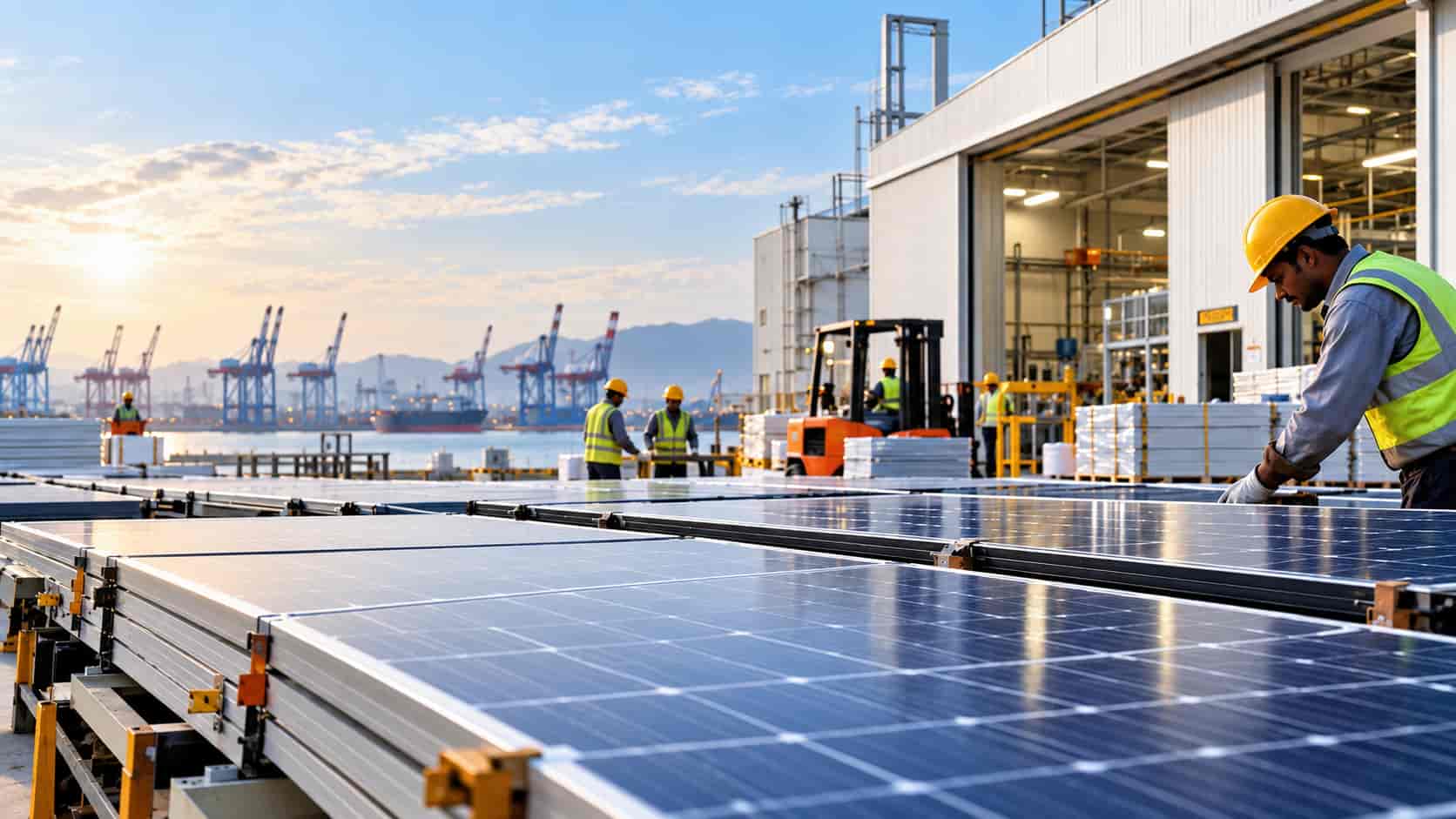

India's solar story has, until recently, been told largely in terms of open land. Vast arrays in Bhadla, Pavagada and Kurnool transformed scrubland into some of the world's largest solar parks, and the country's installed solar capacity has climbed from roughly 3 gigawatts (GW) in 2014 to more than 162 GW by June 2026.
But that growth has quietly run into a familiar Indian constraint: land is scarce, contested and expensive, and every new solar park competes with farming, forests and human settlements for the same acreage.
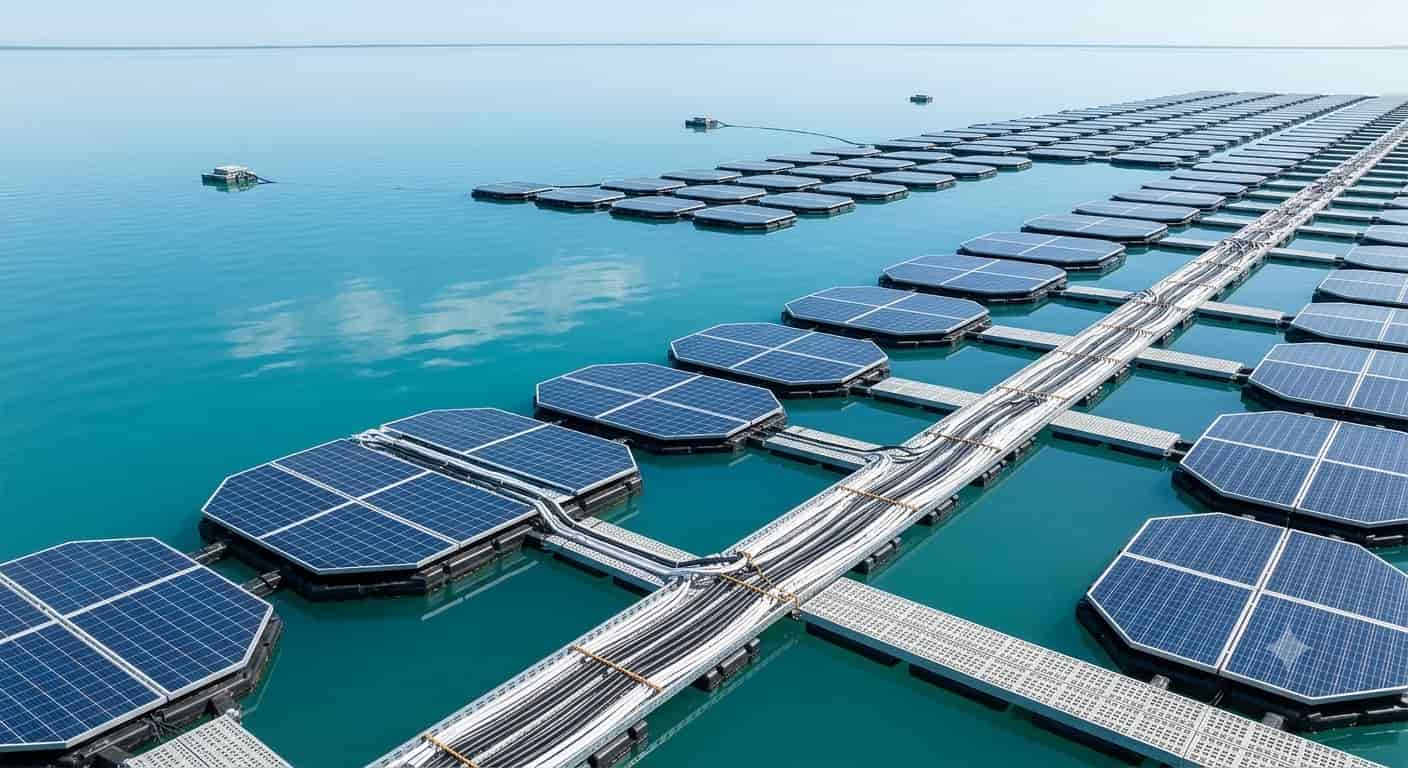
A newer answer has been taking shape not on land but on water. Floating solar photovoltaic (FSPV) technology, in which arrays of panels sit on pontoons across reservoirs, lakes and irrigation tanks, has moved in the space of a few years from a curiosity to a formal pillar of India's renewable energy planning.
The government's decision this month to back the sector with a dedicated, multi-billion-rupee scheme marks the clearest signal yet that floating solar is being treated as more than an experiment.
A crowded map for a booming solar sector
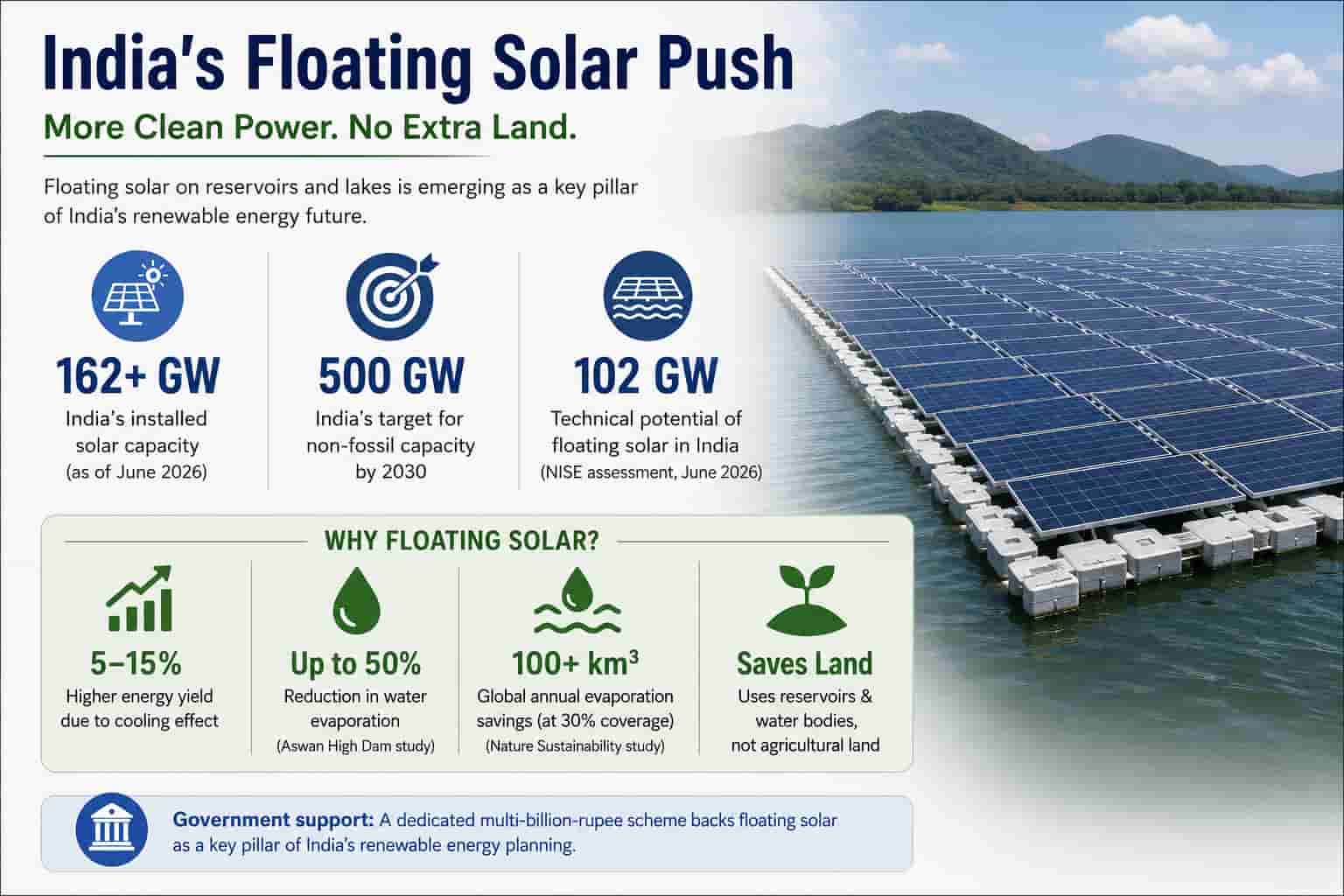
India's renewable energy targets are ambitious by any measure, with the country aiming for 500 GW of non-fossil capacity by 2030. Solar carries much of that load, but land acquisition has become one of the sector's most persistent bottlenecks, particularly in states where reservoirs, farmland and forest cover leave little contiguous space for gigawatt-scale parks.
Reports from renewable energy publications have repeatedly flagged land costs and clearance delays as a drag on project timelines, even as panel prices and financing costs have fallen. Mercom India reported on the government's technical assessment of this potential.
Floating solar offers a way to sidestep that constraint by using surfaces that were never intended to host a farm, a factory or a housing colony.
A government assessment released in June 2026 by the National Institute of Solar Energy found that India's reservoirs and other inland water bodies could theoretically support around 102 gigawatts of floating solar capacity — a figure that dwarfs the roughly 700 megawatts (MW) currently installed. Maharashtra, Madhya Pradesh, Karnataka, Odisha and Telangana emerged as the states with the largest technical potential, largely due to their extensive irrigation and hydropower reservoirs.
 Panels on water: What floating solar actually does
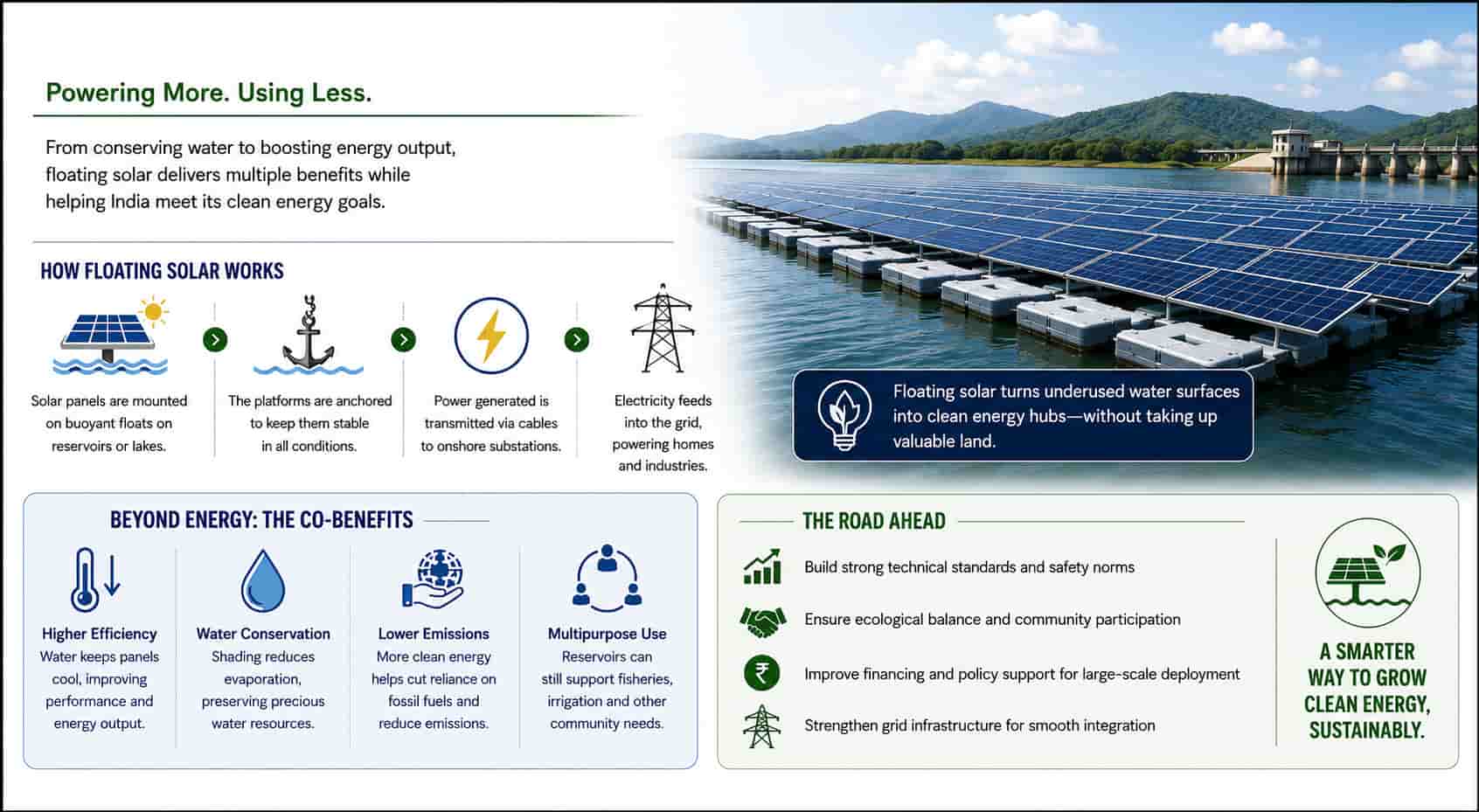
The mechanics are fairly simple. Solar modules are mounted on buoyant floats, usually made of high-density polyethylene, and the floats are anchored to the reservoir bed or banks to withstand wind, waves and seasonal changes in water level. Cabling runs from the floating platform to onshore substations, much as it would from a ground-mounted array.
What makes the technology distinctive is what happens beneath the panels. Water has a cooling effect on the modules above it, and several Indian and international studies have found that this can increase energy yields by roughly 5 to 15 per cent compared with equivalent ground-mounted systems, because solar cells lose efficiency as they heat up. The panels, in turn, shade the water surface, reducing the amount of direct sunlight reaching it.
That shading effect has proved to be one of the more striking co-benefits of the technology. Research on Egypt's Aswan High Dam reservoir, published in the Journal of Hydrological Sciences, found that covering 90 per cent of the surface with floating panels could cut evaporation by nearly 50 per cent, saving billions of cubic metres of water annually in a basin under serious water stress.
A separate global analysis published in Nature Sustainability estimated that if just 30 per cent of the world's reservoirs were fitted with floating panels, evaporation savings could reach more than 100 cubic kilometres of water annually, while generating enough electricity to make thousands of towns and cities energy self-sufficient. For a country where erratic monsoons and dwindling reservoir levels are now an annual anxiety, that water-saving dimension is arguably as important as the electricity itself.
It is worth pausing to consider what this technology is not. One assessment of floating solar deployment cautions that its appeal should not be reduced to the simple idea of “panels on water” — the real test lies in how well projects account for aquatic ecosystems, the durability of floating structures and moorings under extreme weather, grid connection realities, and the effect on communities that depend on the same water bodies for irrigation, fishing or drinking water. That is a reminder that floating solar, like every energy technology, involves trade-offs rather than a free lunch.
New Delhi backs floating solar with a dedicated mission
Until this year, floating solar in India grew largely through individual utility projects rather than a coordinated national programme. That changed in early August 2026, when the Union Cabinet, chaired by Prime Minister Narendra Modi, approved the Pradhan Mantri Surya Sarovar Yojana (PM-SSY), a scheme with a total outlay of ₹5,070 crore (US$530 million) to add 5 GW of floating solar capacity paired with battery energy storage, as reported by PV Magazine India.
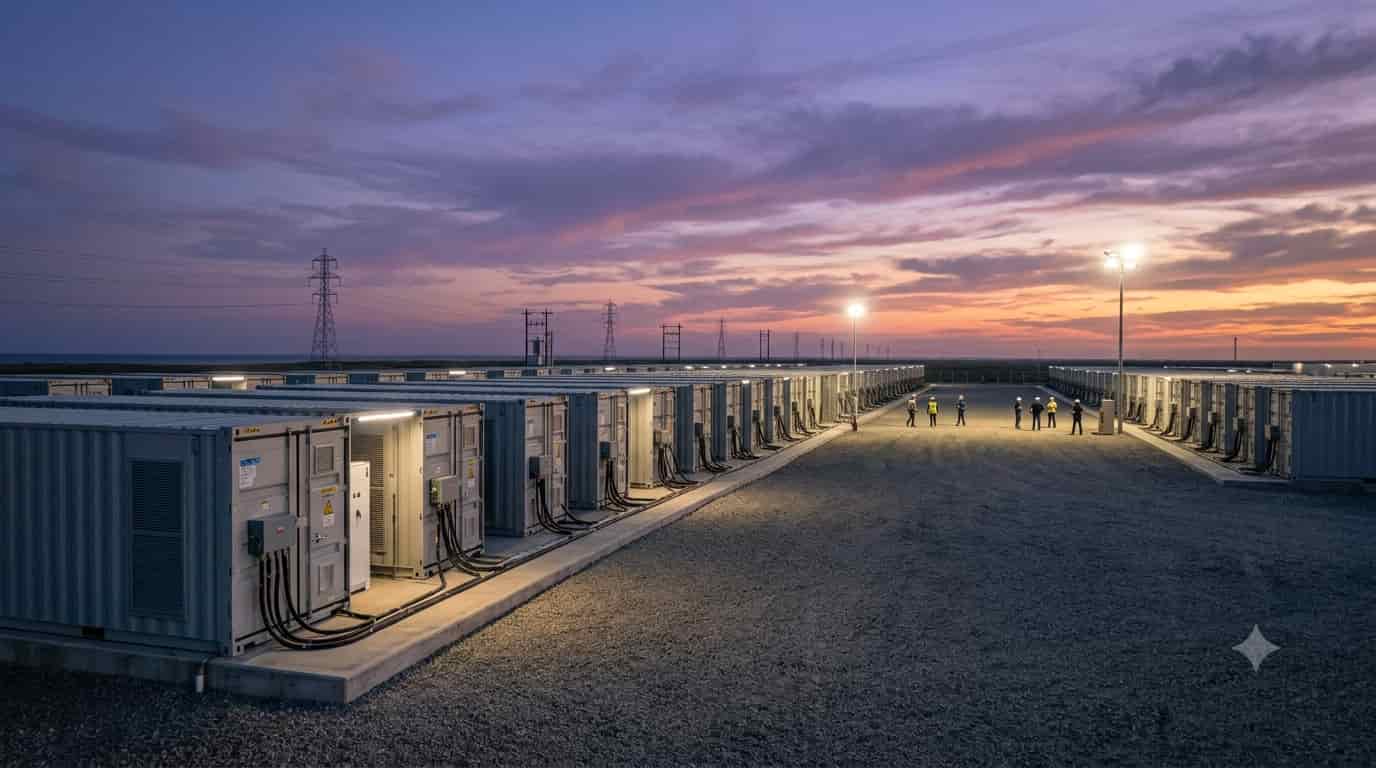
Under the scheme, developers will receive central financial assistance of ₹1 crore (about US$105K) per megawatt once a project is commissioned, along with additional support of up to ₹50 lakh (US$52,300) per project for feasibility work, including bathymetric surveys, hydrographic studies and environmental assessments. Crucially, every project must be paired with at least two hours of co-located battery storage, bringing the total storage target to 10 gigawatt-hours. Projects will be sanctioned in phases between 2026-27 and 2030-31, with financial support continuing until 2032-33.
Industry analysts have broadly welcomed the move. “This is undoubtedly a positive development, and it should help India climb into the front rank of floating solar markets worldwide by lifting installed capacity several times over within five years,” said a senior consultant at a leading renewable energy research firm, as reported by PV Tech. If the scheme meets its target, floating solar capacity would rise from roughly 700 MW to about 5.7 GW — an eightfold increase, though still a fraction of the 102 GW theoretical potential identified by government researchers.
 From Ramagundam to Omkareshwar: India's floating fleet
The scheme builds on a small but growing base of operating projects. NTPC's 100 MW plant at Ramagundam in Telangana, spread across roughly 450 acres of a thermal power station's reservoir, is currently India's largest. It comprises 40 blocks and around 4.7 lakh solar modules, anchored with high-modulus polyethene rope to concrete dead weights on the reservoir bed. According to Saurenergy, the company estimates the plant avoids nearly 32.5 lakh cubic metres of water evaporation every year, as well as roughly 165,000 tonnes of coal use and 210,000 tonnes of carbon dioxide emissions annually.
Elsewhere, NTPC operates a 92 MW plant at Kayamkulam in Kerala and a 25 MW plant at Simhadri in Andhra Pradesh, while a 50 MW project is underway at the Rihand Dam in Uttar Pradesh. The most closely watched project on the horizon is a planned 600 MW floating array at the Omkareshwar Dam in Madhya Pradesh, which developers expect to become the world’s largest facility of its kind once complete. Taken together, these projects illustrate a shift from floating solar as a demonstration technology to one deployed at genuine utility scale.
The engineering underneath the water
None of this is straightforward to build. Reservoirs are not static; water levels in Indian dams can swing by 10 to 20 metres between the monsoon and the dry season, and anchoring systems must be designed to keep panels stable and cabling intact across that entire range. Bathymetric surveys — essentially underwater topography mapping — are now considered a prerequisite rather than an optional step before any anchoring design work begins.
As floating solar scales, artificial intelligence (AI) could become a key enabler. AI can improve generation forecasting, predictive maintenance, monitoring, and response to changes in weather and wave conditions. It can also help optimise the performance and reliability of floating PV systems. AI will also gain greater prominence when floating solar is integrated with battery storage and hybrid power systems.
“Floating solar is not simply ground-mounted solar moved onto a pontoon,” said an executive at a major renewable energy developer active in reservoir-based projects. “Every layer, from mooring design to submarine cabling and corrosion-resistant hardware, has to be engineered for a body of water that behaves quite differently throughout the year, adding both cost and complexity compared with a conventional solar park.”
That complexity shows up in project costs. Floating solar installations in India currently cost 20 to 35 per cent more per megawatt than comparable ground-mounted systems, largely due to marine-grade floats, specialised cabling and mooring hardware, according to industry estimates compiled by Heaven Designs. The Ramagundam project itself, at roughly ₹423 crore (US$44.25 million) for 100 MW, reflects that premium. Whether the central financial assistance on offer under PM-SSY is enough to close this cost gap for smaller developers remains an open question the scheme will have to answer as project bids come in.
Grids, costs and the questions that remain
Floating solar's expansion is also colliding with a broader problem facing Indian renewables: the grid's ability to absorb new capacity. A credit rating agency recently estimated that about a third of some 54.8 GW of newly commissioned renewable capacity connected via temporary network access arrangements faced curtailment, with some projects in Rajasthan and Gujarat losing 50 to 60 per cent of potential output during peak solar hours because transmission infrastructure had not kept pace, according to an OPIS report.
The same report noted that only about 12 per cent of transmission projects due for completion by March 2026 were finished on time, with delays averaging more than ten months.
That context matters for floating solar because many of the best reservoir sites are some distance from existing transmission corridors, and the added engineering burden of running cables across water can make grid connection even more demanding than for a ground-mounted park. The mandatory storage requirement in PM-SSY is partly a response to this reality, aimed at smoothing output and easing pressure on constrained grid segments rather than simply adding more variable generation to an already stretched network.
There are ecological questions too, which developers and regulators have so far addressed largely on a project-by-project basis rather than through a uniform national standard. Covering large stretches of a reservoir can alter light penetration, oxygen levels and temperature, affecting fish populations and aquatic plant life.
Environmental clearances for floating projects typically require site-specific studies rather than a template assessment. Community concerns, particularly from fishing communities and those who rely on reservoirs for irrigation, have also featured in project consultations, underscoring that the technology's land-saving advantage does not remove the need for careful local engagement.
Beyond lakes: Rethinking where clean energy belongs
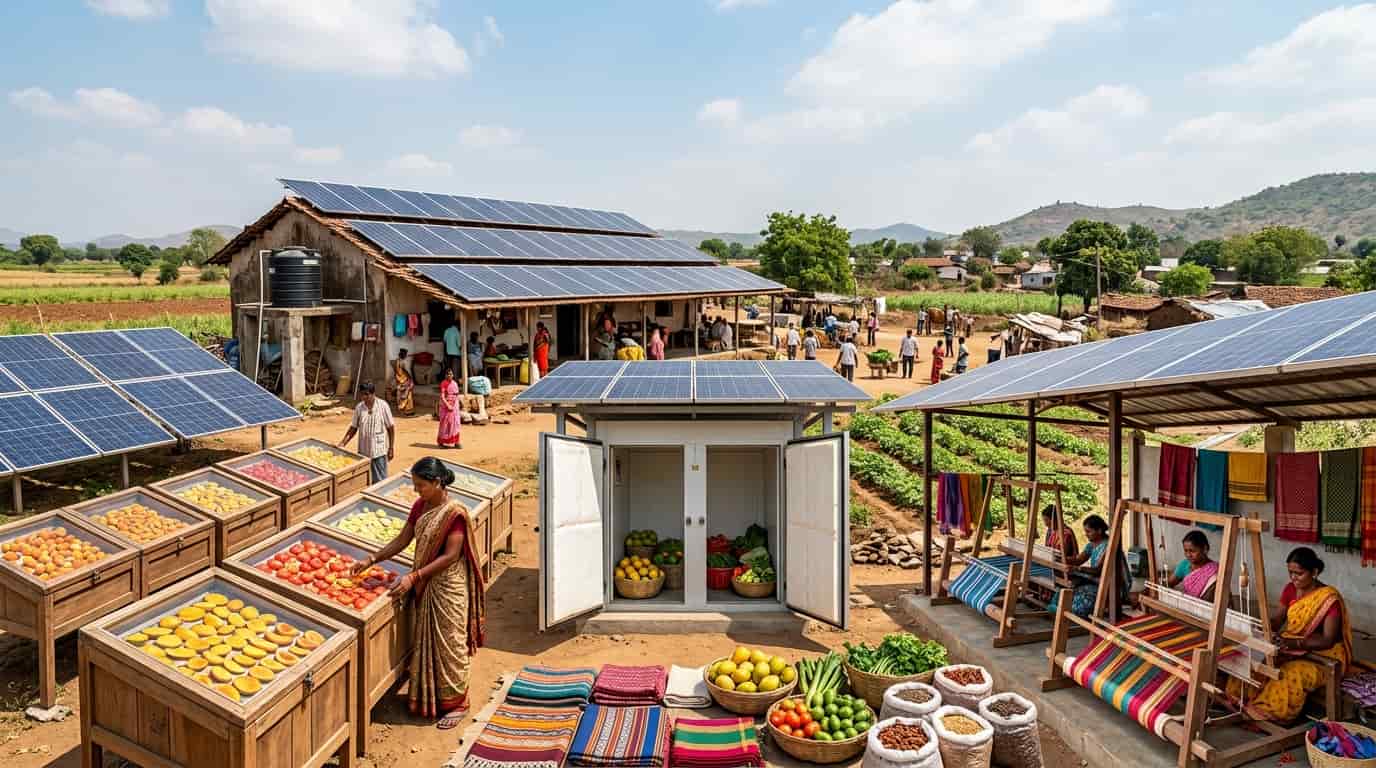
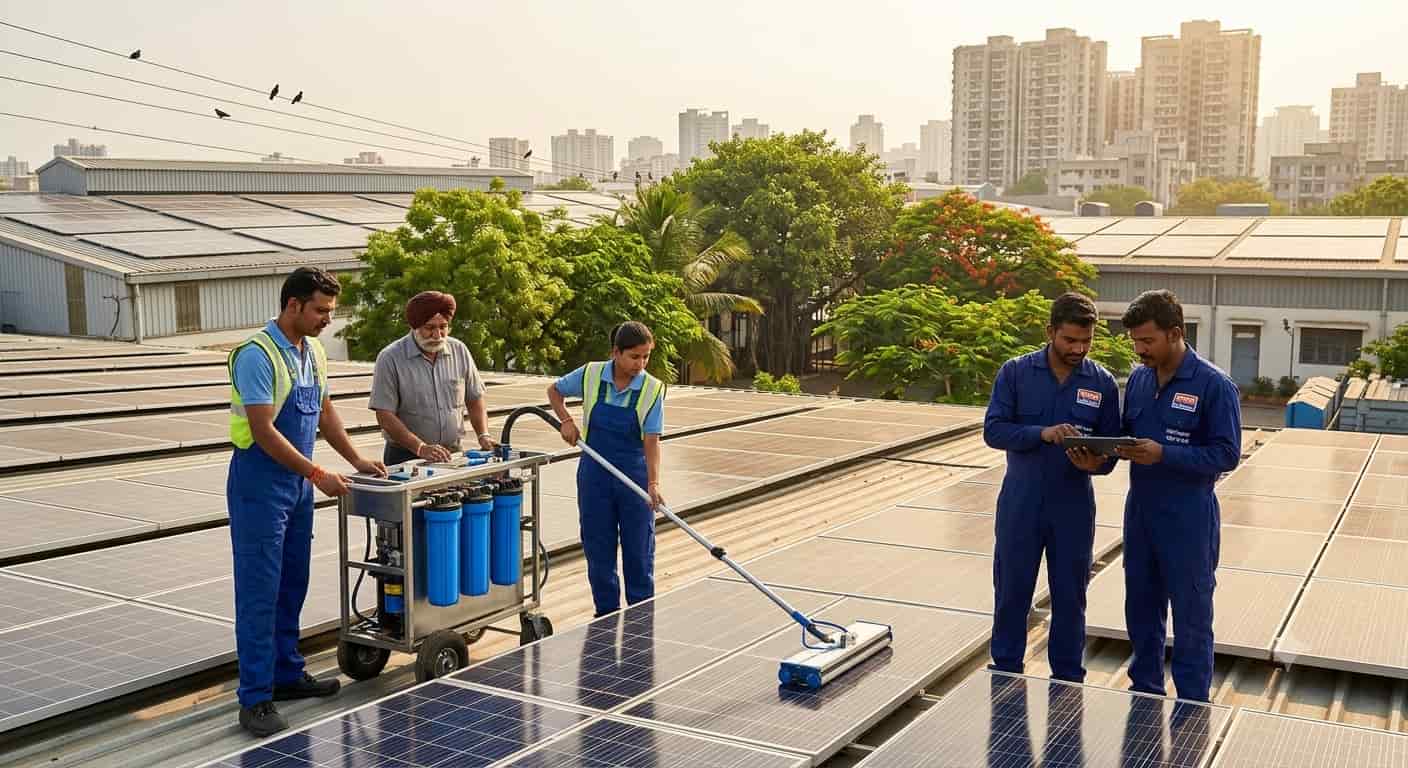
Floating solar is best understood as one instrument in a broader rethink of where renewable energy infrastructure should be sited. The same land-scarcity logic that has pushed panels onto reservoirs has also driven interest in rooftop solar, which is expected to reach 25 to 30 GW of installed capacity by the 2026-27 financial year, and in agrivoltaics, where panels are raised above active farmland so crops and electricity generation can share the same plot. Industrial parks, canal banks and even airport peripheries are increasingly being examined as sites for hosting generation capacity without displacing agriculture or forest cover.
What connects all of these approaches is a shift in the central question. Early in India's solar build-out, the dominant question was simply how many gigawatts could be added and how quickly.
Increasingly, planners, financiers and communities are asking a second, harder question: where should that capacity go, and at what cost to land, water and the people who depend on both. Floating solar does not resolve that tension so much as it offer a genuinely useful, if imperfect, answer for a specific category of sites — reservoirs and water bodies that already exist and are under some form of institutional management.
The scale of the opportunity is real. With barely one-hundredth of its assessed floating solar potential built out, India has more room to grow on water than in almost any other category of clean-energy real estate that the country possesses.
Whether that potential is realised at pace will depend less on the panels themselves than on the mundane, unglamorous work of transmission planning, ecological safeguards and financing structures that make reservoir-based projects bankable for a wider range of developers, not just large public-sector utilities. Getting that supporting architecture right may prove to be the more decisive factor than any single technological advance in floats or anchoring systems.
Follow us on : X | LinkedIn | Facebook | Bluesky